Baltimore’s Living Laboratories: Fungi at the Frontlines of Urban Evolution
Walk the streets of any big city on a summer day and you’ll feel it—heat that radiates from pavement and bricks, turning neighborhoods into microclimates. In Baltimore, this effect isn’t just uncomfortable for people; it’s transforming the invisible life underfoot. A new study, published in ISME Communications, reveals that fungi living in Baltimore’s hottest neighborhoods are not merely enduring the heat—they are evolving, adapting, and changing in ways that may shape the fungal world of tomorrow.
Urban Heat Islands: Microclimate Engines of Change
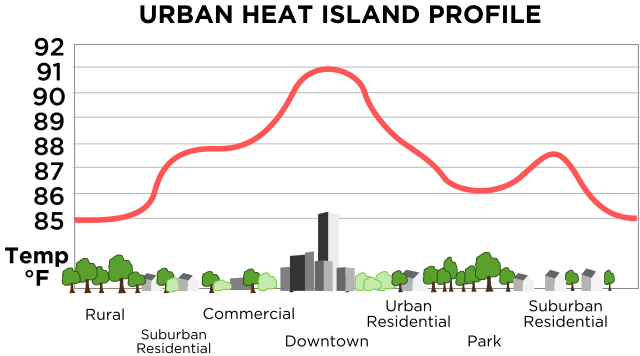
Cities like Baltimore serve as natural laboratories for evolutionary biology. Asphalt, rooftops, and sparse greenery create “urban heat islands” where temperatures are consistently higher than in surrounding rural zones. For fungi—microbes that are exquisitely sensitive to temperature and moisture—these heated microclimates act as evolutionary pressure cookers.
Researchers took environmental fungal samples from across Baltimore’s neighborhoods, comparing isolates from the city’s coolest corners to those from its sun-blasted, heat-retaining blocks. The findings were striking: fungi from the hottest spots were more tolerant of high temperatures and showed altered pigmentation—traits that confer survival advantages in a world growing ever warmer.
The Color of Survival: Pigmentation as Armor
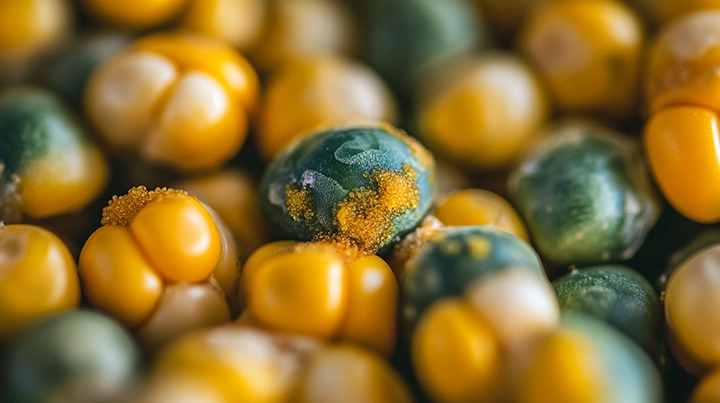
One of the most visually evident adaptations was in fungal pigmentation. Pigments such as melanin aren’t just decorative—they function as biological armor, shielding cells from ultraviolet radiation, desiccation, and oxidative stress. In this study, fungi isolated from Baltimore’s hottest soils were consistently more pigmented, giving them a competitive edge in withstanding the extremes of urban life.
These pigment shifts aren’t just cosmetic. They are molecular adaptations that boost resilience and may open the door to colonizing new environments—whether that’s sunbaked park soil, overheated compost heaps, or even the walls of city apartments.
Thermotolerance and the Future of Fungal Risks
The most profound finding, however, is that fungi from hotter neighborhoods are evolving higher thermal tolerance. Traditionally, few fungi threaten humans directly, because most cannot survive at mammalian body temperatures. But with urban heat islands acting as “training grounds,” more species are developing the ability to thrive at higher temperatures.
This has profound implications for public health and ecosystem stability. Thermotolerant fungi may be more likely to cause opportunistic infections in people, especially the immunocompromised. They may also become more aggressive crop or garden pests, thriving in environments previously inhospitable to them. Cities, it seems, are not just incubating innovation and culture—they’re shaping the very DNA of the microbial world.

Mold Ecology in Motion: Urban Evolution is Real
For readers of MoldNewsHub, this Baltimore study is a powerful reminder: the traits of fungi—once thought to be stable and predictable—are now shifting before our eyes. Thermal tolerance and pigmentation are not fixed; they’re evolving, driven by neighborhood-level climate differences. Today’s city molds may be significantly tougher, more pigmented, and more heat-tolerant than their predecessors of just a generation ago.
These findings challenge assumptions about what species dominate indoor spaces as well. The mold you scrape off a city apartment window or greenhouse tray is likely more resilient and better adapted to temperature extremes than its rural cousin—potentially with new health implications for residents and workers.