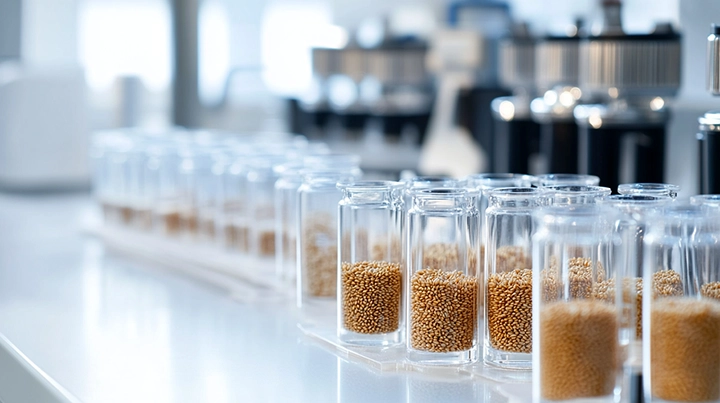
This article is a compelling example of how modern mycology is finally catching up to what farmers in mountain regions may have intuited for generations: where you store your grain can profoundly shape not just spoilage, but molecular food safety.
With the deployment of both metabolomics and transcriptomics, this new study brings a level of precision that transforms altitude from a background detail into a major actor in the story of agricultural risk.
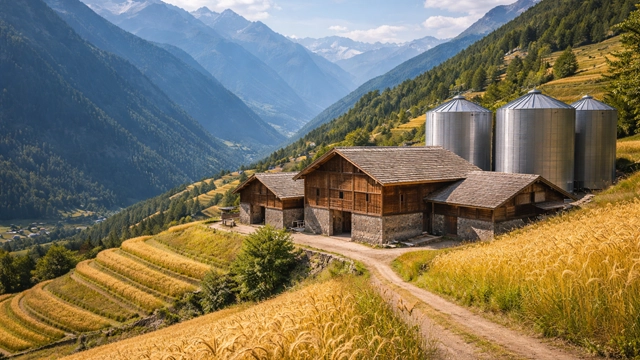
What stands out most is the convergence of traditional wisdom and high-resolution science. For centuries, grains stored in cool, high-altitude granaries were often considered to have “longer shelf lives.” Now, we have the molecular explanation: the fungus Alternaria alternata simply behaves differently in the thin air.

Source: Wikimedia Commons
Tenuazonic Acid: A Silent Risk in the Granary
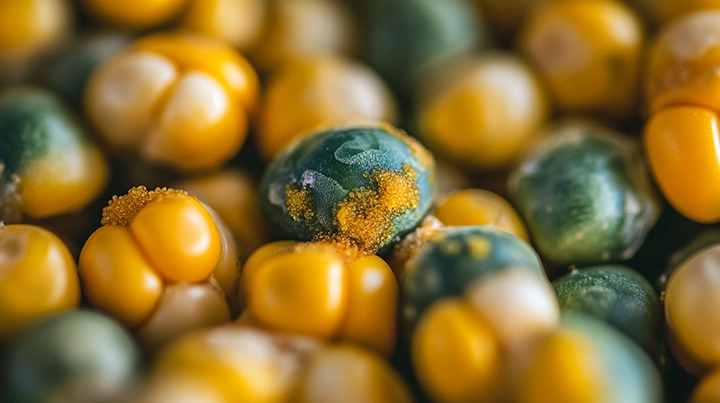
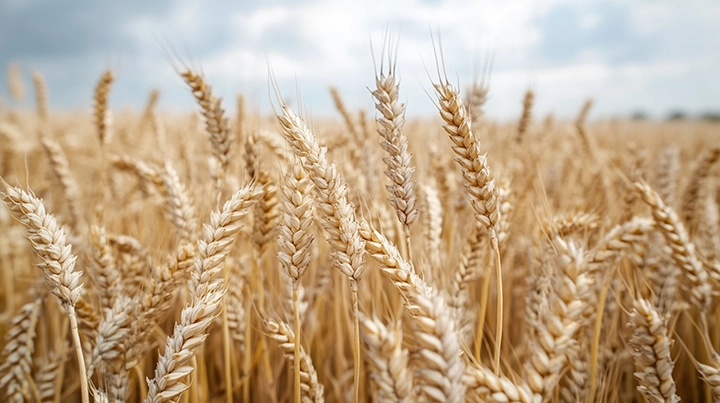
At the center of the story is tenuazonic acid (TeA), a potent mycotoxin produced by A. alternata—a fungus found in wheat from valleys to plateaus. TeA isn’t just a spoilage marker; it’s a bona fide health concern, implicated in immune suppression and gastrointestinal disruption in humans.
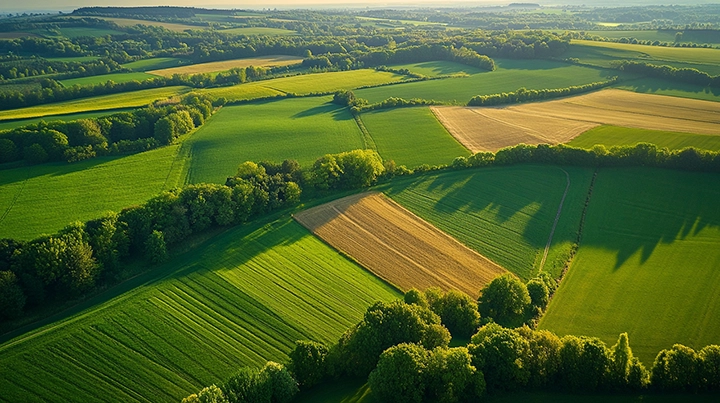
In this study, researchers found TeA to be the dominant toxin across all sampled regions—but with a striking gradient: the higher the storage altitude, the lower the toxin load.
This isn’t just an accident of weather or grain dryness. It’s a signal that the very metabolism of the fungus is being reshaped by environmental context.

Source: Wikimedia Commons
From Altitude to Gene Expression: The Fungal Personality Shift
What makes this work particularly valuable is that the researchers did not stop at cataloging toxin levels. By isolating A. alternata strains from different altitudes and sequencing their RNA, they demonstrated that fungi are not static; they have “personalities” that shift with their surroundings.
High-elevation strains were consistently low toxin producers. The data showed these strains had reduced activity in metabolic pathways needed for mycotoxin biosynthesis—specifically, amino acid and carbohydrate metabolism. Nine structural genes and four transcription factors stood out, but one, PacC, emerged as the environmental “master switch.”

Source: Wikimedia Commons
PacC: The Altitude-Sensing Regulator
The study’s molecular breakthrough was identifying PacC as the key transcription factor translating environmental cues (like the pH changes typical at high altitude) into a shutdown of toxin production. When PacC was knocked out, the fungus lost its ability to make TeA, confirming its role as a genetic bottleneck for mycotoxin synthesis.
This is more than an academic discovery. It means that, in theory, biocontrol strategies targeting PacC—or manipulating environmental pH—could become new tools to suppress grain toxins without chemicals.
Grain Safety in a Changing Climate
The implications ripple far beyond the Tibetan Plateau. As climate change pushes agricultural frontiers to higher (or more extreme) elevations, altitude-linked factors—temperature, humidity, and air pressure—will increasingly shape fungal behavior. Grain storage policies may need to be updated, and food safety monitoring must now look not only at fungal “counts,” but at gene expression patterns and toxin potential.
For global food security, it’s a wake-up call: controlling mold isn’t only about what species are present, but about how those species “think” in different environments.
A New Era of Mold Risk Assessment
The article’s final lesson is simple but profound: mold risk is dynamic. The same fungus can be a minor nuisance in one warehouse and a major threat in another, just a few hundred meters higher or lower.
Modern mycology now demands a new toolkit—precision metabolomics, molecular diagnostics, and real-time environmental mapping—to keep pace with these shifting risks.
And as agriculture stretches into ever more challenging landscapes, understanding the molecular mechanics of fungal adaptation will become essential for protecting both food supplies and public health.
References
Academic
- Chen et al., 2024, Food Chemistry, DOI: 10.1016/j.foodchem.2024.xxxxxx
- Magan & Medina, 2016, World Mycotoxin Journal, DOI: 10.3920/WMJ2015.2004