According to USA TODAY
A Popular Import With Unintended Consequences
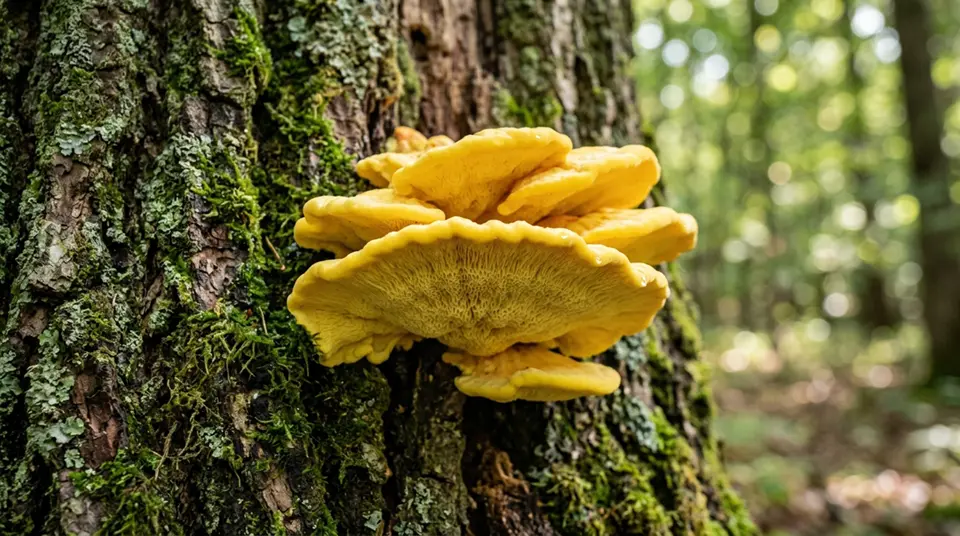
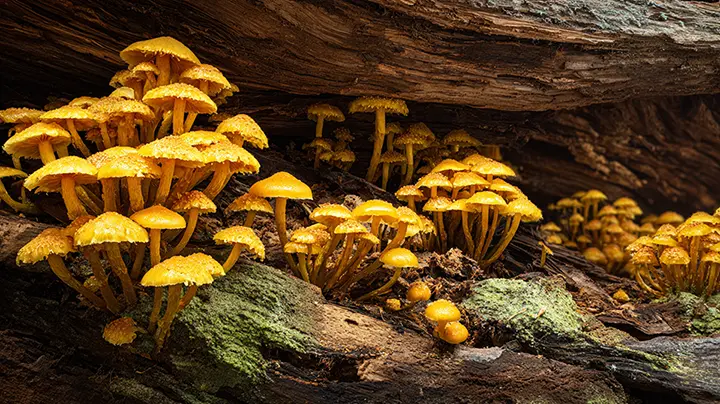
They came into American kitchens as a charming culinary experiment—bright yellow caps, easy to grow on a windowsill, and a mild nutty flavor that made them a darling among chefs and home cooks alike. But in just two decades, golden oyster mushrooms (Pleurotus citrinopileatus) have leapt from mushroom-growing kits into the wild, and from the wild into a growing list of ecological concerns.
According to new research published in Current Biology, these nonnative fungi are now thriving in the wild across 25 U.S. states, from the Midwest to the East Coast. Far from being a benign forest addition, they’re outcompeting native mushrooms, altering delicate ecological balances, and potentially accelerating carbon release from forest ecosystems.

Source: Wikimedia Commons, CC BY-SA 4.0
The Study That Sounded the Alarm
The golden oyster mushroom’s journey to America began in the early 2000s, when spores and cultivation kits began arriving from Asia. Their vibrant golden caps, quick growth, and appealing culinary profile made them an instant hit. Gardeners loved the ease: just add water, place the kit in a shaded corner, and in days you’d have a flush of cheerful yellow fungi.
But unlike tomatoes or basil, mushrooms don’t recognize fences or garden borders. Their spores—tiny and easily airborne—drifted beyond compost heaps and patios, finding homes in deadwood and tree stumps in nearby forests. Without natural predators or competitors from their native range, golden oyster mushrooms began colonizing new territories.
The wake-up call came from a team led by Aishwarya Veerabahu, a mycologist and graduate student at the University of Wisconsin–Madison. In surveys of Midwestern forests, her team compared fungal diversity in areas with and without golden oyster presence.
The findings were stark: forests where golden oyster mushrooms had taken hold showed about half the fungal diversity of unaffected areas. The loss wasn’t just in numbers, but in the disappearance of species critical to nutrient cycling, forest regeneration, and symbiotic relationships with plants.
Veerabahu’s conclusion, shared in an essay for The Conversation, was blunt:
“The golden oyster mushrooms’ invasion of North America should serve as a bright yellow warning that nonnative fungi are capable of rapid invasion and should be cultivated with caution, if at all.”
Why These Mushrooms Are a Unique Threat
Golden oyster mushrooms belong to the group known as white rot fungi, organisms that specialize in breaking down lignin—the complex polymer that gives wood its rigidity. Unlike brown rot fungi, which leave behind carbon-rich residue, white rot fungi fully decompose their woody meals, releasing more carbon dioxide in the process.
This means that large populations of golden oysters could subtly alter a forest’s carbon budget, affecting not only biodiversity but also climate regulation.
Moreover, by monopolizing deadwood resources, they limit the habitats available to native fungi, many of which have evolved over millennia to coexist with local plants and wildlife.
An Overlooked Invasion Pathway
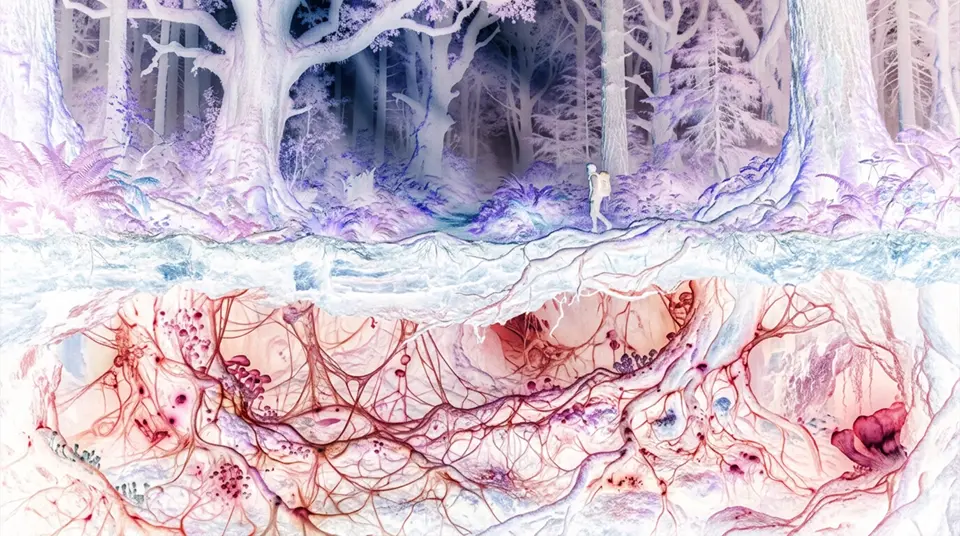
Most invasive species discussions focus on plants, insects, and animals. Fungi often remain invisible in these conversations, partly because their underground mycelial networks and reproductive spores are hard to track.
The golden oyster case highlights how the global gardening and gourmet food trend can unintentionally serve as a launchpad for invasive fungi. Online marketplaces, farmers’ markets, and even school science kits have distributed spores far beyond their intended confines.
The Ecological Ripple Effect
Losing fungal diversity has cascading effects. Many tree species rely on specific fungal partners—mycorrhizal fungi—for nutrient exchange. Some plants germinate only in the presence of certain fungi. When invasive species disrupt these partnerships, it can hinder seedling growth, alter forest composition, and reduce resilience to pests or disease.
Insects and mammals that feed on native mushrooms may find their food sources diminished. In turn, birds and predators relying on those animals feel the pinch. Over time, what began as a shift in the fungal layer can reshape the entire ecosystem.

Source: Wikimedia Commons, CC BY-SA 4.0
Climate Change Adds Pressure
Golden oyster mushrooms are arriving at a time when U.S. forests are already stressed by climate change, drought, and habitat fragmentation. These stresses make ecosystems more vulnerable to additional disruptions. In areas where native fungal communities are already struggling, the golden oyster’s rapid colonization can tip the balance toward long-term degradation.
Managing the Spread: Prevention Over Cure
Unlike invasive plants that can be pulled up or animals that can be trapped, invasive fungi pose unique management challenges. Their spores can travel for miles on the wind, survive in soil for years, and colonize hidden niches in fallen logs.
That’s why mycologists emphasize prevention as the primary tool. Limiting the sale of cultivation kits for nonnative species, especially in regions where they can survive winters, is one measure being discussed. Public awareness campaigns could also help hobby growers understand the risks and dispose of spent mushroom substrates responsibly.
Lessons From the Golden Oyster Story
This isn’t the first time a human-introduced species has upset a native balance, but it’s a rare case where the culprit is something many associate with artisanal cooking and sustainable food. It challenges the idea that “growing your own” is always environmentally harmless.
It also underscores the need for more comprehensive monitoring of fungal biodiversity—an area of ecology that has historically lagged behind plant and animal studies.
A Future for Responsible Cultivation?
Some researchers believe golden oyster mushrooms could still be cultivated safely in controlled environments, provided there are strict safeguards to prevent spore escape. Indoor farms with air filtration and sterilization protocols could meet culinary demand without risking wild ecosystems.
Others argue that the risks are too high and that native oyster mushroom species, which are equally tasty and better adapted to U.S. environments, should be promoted instead.

Source: Wikimedia Commons, CC BY-SA 4.0
A Yellow Warning Sign in the Woods
The golden oyster mushroom’s bright hue may be cheerful to the forager’s eye, but for ecologists, it’s a signal of caution. In the span of just two decades, a food trend has transformed into an ecological concern spanning half the country.
As Veerabahu and her colleagues stress, nonnative fungi are capable of rapid and far-reaching change. In an era when ecosystems are already under strain, even small additions to the biological mix can have oversized impacts.
The story of Pleurotus citrinopileatus is more than a tale of a tasty mushroom gone rogue—it’s a case study in the delicate balance between human curiosity, commerce, and ecological stewardship. The decisions made now—by growers, consumers, and policymakers—will determine whether this “golden” import remains a rare garnish or becomes a permanent fixture in America’s forests.
References
- Wikipedia – Pleurotus citrinopileatus
- University of Wisconsin–Madison
- Wikipedia – White rot
- Wikipedia – Mycorrhiza
According to USA TODAY