According to SCIENCE X
Scientists Revisit the Aftermath of Earth’s Most Famous Extinction Event
A recent report published by Science X explores growing scientific evidence suggesting that the asteroid impact responsible for the extinction of the dinosaurs may also have triggered a massive global expansion of fungi.
Researchers studying geological records and fossil evidence believe fungal growth surged worldwide after the catastrophic event approximately 66 million years ago, reshaping ecosystems during one of the darkest periods in Earth’s history.
The findings offer new insight into how fungi respond to environmental collapse and how they may have influenced biological recovery after the extinction event.

The Asteroid Impact That Changed Earth
The extinction event occurred when a large asteroid struck Earth near present-day Mexico, creating the Chicxulub crater. The impact released enormous amounts of energy, causing wildfires, shockwaves, tsunamis, and atmospheric disruption on a planetary scale.
Dust, ash, and debris blocked sunlight for extended periods, severely reducing photosynthesis across global ecosystems. Temperatures dropped, food chains collapsed, and many species—including non-avian dinosaurs—became extinct.
Scientists estimate that roughly 75% of Earth’s species disappeared during this mass extinction event.
Why Fungi Thrived After the Disaster
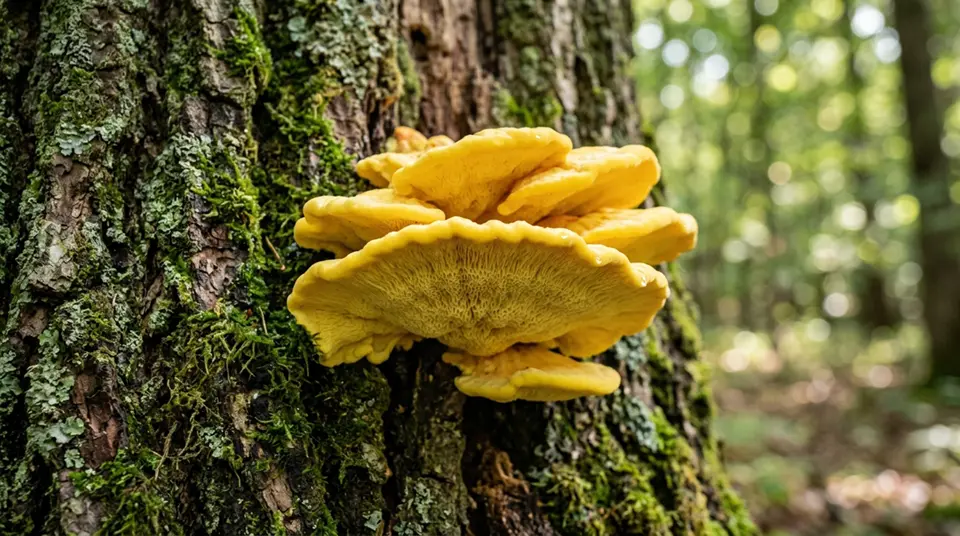
While plants and animals suffered catastrophic losses, fungi may have found ideal conditions for expansion. Massive quantities of dead trees, plants, and animal remains created enormous amounts of decaying organic matter.
Fungi are among nature’s most efficient decomposers, specializing in breaking down dead material and recycling nutrients back into ecosystems. Researchers believe this sudden abundance of organic debris likely fueled a worldwide fungal bloom.
The report explains that fungal spores may have spread extensively during the ecological collapse, creating what some scientists describe as a “fungal spike” in the fossil record.

Evidence from Fossils and Sediment Layers
Scientists studying rock formations and sediment layers from the extinction boundary have identified unusually high concentrations of fungal spores and fungal-related material immediately following the asteroid impact.
These fungal signatures appear in geological records across multiple regions, suggesting the phenomenon occurred on a global scale rather than in isolated ecosystems.
The fungal spike hypothesis proposes that fungi became temporarily dominant in many terrestrial environments as decomposer organisms processed massive amounts of dead biomass.
Ecosystems Without Sunlight
One of the most devastating consequences of the asteroid impact was the reduction of sunlight reaching Earth’s surface. Dust clouds and atmospheric particles may have blocked sunlight for months or even years.
Because plants depend on sunlight for photosynthesis, global plant productivity declined dramatically. This collapse spread through herbivore and predator populations, destabilizing ecosystems worldwide.
Fungi, however, do not rely on photosynthesis. Instead, they feed on organic material directly, allowing them to survive and even expand during periods when plant life was severely disrupted.
Fungi as Nature’s Recyclers
The report highlights fungi’s critical ecological role during environmental crises. By decomposing dead material, fungi recycle nutrients and help ecosystems recover after disturbances.
Following the asteroid impact, fungal activity may have accelerated nutrient turnover in devastated environments, helping prepare ecosystems for eventual biological recovery.
Researchers increasingly view fungi not simply as decomposers, but as major stabilizing forces within ecological systems.

The “Fungal Event” Hypothesis
Some scientists have proposed that the post-impact world briefly became dominated by fungal ecosystems. During this interval, fungal spores may have represented one of the most abundant biological materials in the atmosphere and soil systems.
This concept, sometimes called the “fungal event” hypothesis, remains actively debated within paleontology and geology. Researchers continue analyzing fossil records to determine how widespread and long-lasting the fungal expansion may have been.
Even so, the evidence strongly suggests fungi played a major ecological role during Earth’s recovery from the extinction event.
Dinosaurs Disappeared, but Fungi Endured
The asteroid impact caused the extinction of non-avian dinosaurs, many marine reptiles, and countless plant and animal species. Yet fungi survived the catastrophe and may even have expanded because of it.
This survival reflects fungi’s extraordinary adaptability. Unlike organisms dependent on sunlight-driven food chains, fungi can persist using dead organic matter as an energy source.
Researchers note that fungi have repeatedly demonstrated resilience during environmental crises throughout Earth’s history.
Lessons for Modern Environmental Change
The research also carries implications for modern ecological studies. Scientists examining climate change, biodiversity collapse, and ecosystem disturbance increasingly recognize fungi as major environmental actors.
Understanding how fungi responded to ancient global catastrophes may help researchers predict how modern ecosystems could react to future environmental disruptions.
The study reinforces the idea that fungi are deeply connected to planetary recovery processes.
Fungi and the Recovery of Life on Earth
After the extinction event, ecosystems gradually recovered over millions of years. New plant communities emerged, mammals diversified, and eventually modern ecosystems developed.
Fungi likely contributed to this recovery by recycling nutrients and rebuilding soil systems after widespread environmental destruction.
Researchers increasingly view fungi as foundational organisms supporting ecological regeneration following major disturbances.

Looking Ahead
Scientists continue investigating how fungi responded to the asteroid impact and how these organisms shaped post-extinction ecosystems. Advances in paleontology, geochemistry, and fungal biology are helping researchers reconstruct one of the most dramatic transitions in Earth’s history.
The findings ultimately highlight fungi not as secondary organisms, but as major participants in planetary ecological change. During one of Earth’s greatest biological disasters, fungi may have briefly become dominant forces driving decomposition, nutrient recycling, and ecosystem recovery on a global scale.
References
Vajda V. & McLoughlin S. (2004). Fungal proliferation at the Cretaceous-Tertiary boundary. Science.
According to SCIENCE X