According to SOUTHERN LIVING
Outdoor Furniture Faces Constant Exposure to Fungal Growth
A recent report published by Southern Living highlights the growing problem of mold and mildew developing on outdoor cushions, especially during humid and rainy seasons. While outdoor furniture is designed to tolerate weather exposure, experts say moisture retention, poor airflow, and organic debris can quickly create ideal conditions for fungal growth.
The report focuses on practical prevention strategies while also drawing attention to the environmental conditions that allow mold and mildew to spread across outdoor fabrics and cushions.

Why Outdoor Cushions Develop Mold Easily
Outdoor cushions are constantly exposed to environmental moisture from rain, humidity, dew, and condensation. When moisture becomes trapped inside fabric or foam materials without sufficient drying, fungi can begin colonizing surfaces rapidly.
Warm temperatures combined with organic particles such as pollen, dust, leaves, and dirt further increase fungal growth potential. Cushions that remain shaded or stacked together often dry more slowly, creating long-lasting damp environments favorable to mold and mildew.
Researchers and cleaning experts note that fungal spores are naturally present in outdoor air almost everywhere, meaning prevention depends largely on controlling environmental conditions rather than eliminating spores completely.
Understanding the Difference Between Mold and Mildew
The report explains that mildew is generally considered a surface-level fungal growth appearing as powdery gray or white patches, while mold may penetrate deeper into fabrics and foam materials.
Mold growth often produces darker discoloration and stronger odors. Both mold and mildew thrive in damp conditions and can spread quickly if left untreated.
Although some outdoor fungal growth is primarily cosmetic, prolonged contamination can damage fabric integrity, create unpleasant odors, and potentially contribute to respiratory irritation in sensitive individuals.

Moisture Is the Main Trigger
Experts emphasize that moisture control is the most important factor in preventing fungal growth on outdoor furniture. Cushions that remain wet after rainfall or cleaning become highly vulnerable to contamination.
The report recommends allowing cushions to dry completely before storage or reuse. Standing water trapped inside seams or foam inserts significantly increases fungal risk.
Proper drainage and airflow are therefore considered essential for long-term outdoor furniture maintenance.
Sunlight and Airflow Help Reduce Fungal Growth
One of the simplest preventive strategies involves maximizing sunlight exposure and air circulation. Direct sunlight helps evaporate moisture more quickly, while airflow reduces humidity accumulation around fabric surfaces.
Outdoor cushions stored in enclosed, humid environments are much more likely to develop mold and mildew than cushions allowed to dry openly.
The report highlights ventilation as a key environmental factor influencing fungal survival.
Cleaning Prevents Spore Accumulation
Routine cleaning also plays an important role in prevention. Dirt, leaves, food particles, and organic debris can provide nutrients that support fungal colonization.
Experts recommend brushing away debris regularly and cleaning cushions before long-term seasonal storage. Mild cleaning solutions may help remove early fungal growth before contamination becomes severe.
Preventive maintenance is generally easier and more effective than attempting to restore heavily contaminated cushions later.
Storage Conditions Matter
Improper storage is another major contributor to mold problems. Cushions stored while still damp inside sealed bins, garages, or covered patios may trap humidity for extended periods.
The report advises storing outdoor cushions only after they are fully dry and using breathable storage environments whenever possible.
Waterproof covers may protect against rain, but insufficient ventilation beneath covers can also trap moisture and unintentionally encourage fungal growth.
Humid Climates Increase Risk
Regional climate conditions strongly influence how frequently mold and mildew develop outdoors. Humid subtropical environments, coastal regions, and areas with heavy rainfall create especially favorable conditions for fungal growth.
In these climates, outdoor cushions may require more frequent drying, cleaning, and inspection compared to drier regions.
Climate variability and increasing humidity linked to changing weather patterns may also contribute to growing household mold concerns in some areas.

Fungal Spores Are Everywhere
The report indirectly highlights a broader environmental reality: fungal spores are continuously present in outdoor air. Spores travel through wind currents and settle on surfaces throughout homes, gardens, and outdoor furniture.
Because spores are unavoidable, fungal prevention depends largely on limiting the moisture and organic material fungi require for growth.
This reflects the same environmental principles involved in indoor mold prevention and building moisture management.
Health Considerations of Outdoor Mold
While small amounts of outdoor fungal growth are common, mold-contaminated surfaces may trigger allergic reactions or respiratory irritation in sensitive individuals.
People with asthma, mold allergies, or weakened immune systems may experience stronger symptoms when exposed to elevated spore concentrations.
Cleaning heavily contaminated cushions may also release spores into the air, making protective measures important during removal or washing.
Material Selection and Future Prevention
Manufacturers increasingly produce outdoor fabrics designed to resist moisture retention and fungal growth. Quick-drying materials, antimicrobial coatings, and breathable construction may help reduce contamination risks.
However, experts note that no material is completely immune to mold if environmental conditions remain consistently damp.
Regular maintenance and moisture control remain the most reliable prevention strategies.
Mold as an Environmental Process
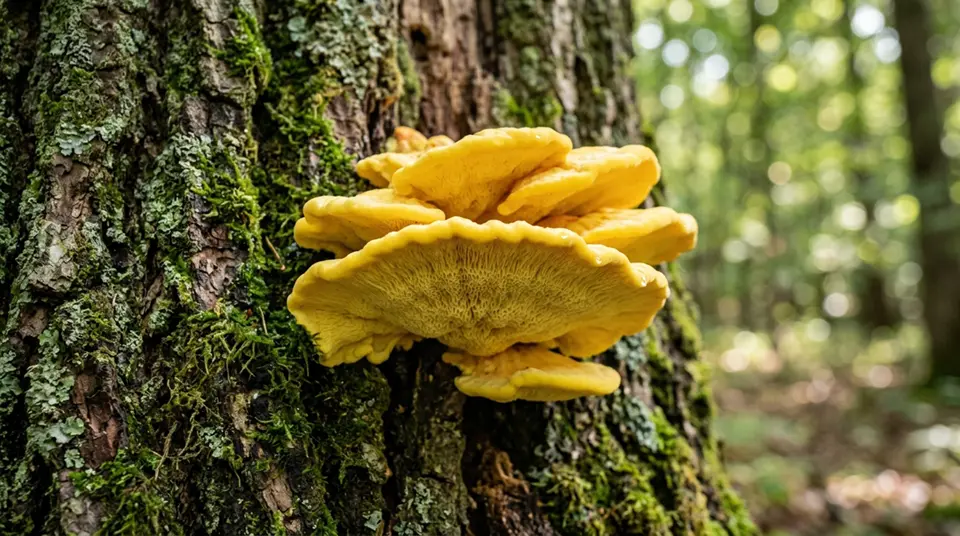
The report also reflects how mold growth is fundamentally a natural decomposition process. Fungi break down organic materials throughout ecosystems, and outdoor furniture simply becomes vulnerable when moisture and nutrients accumulate.
What homeowners experience as mildew on cushions is part of a much larger biological system operating continuously in the environment.
Looking Ahead
As outdoor living spaces become increasingly popular, managing mold and mildew on furniture may become a more common household challenge. Researchers and product manufacturers continue developing materials and maintenance strategies aimed at reducing fungal growth risks.
The report ultimately emphasizes that prevention depends less on eliminating fungi themselves and more on understanding the environmental conditions that allow them to thrive.
By controlling moisture, improving airflow, and maintaining cleanliness, homeowners can significantly reduce the likelihood of fungal growth while extending the lifespan of outdoor furniture materials.
References
According to SOUTHERN LIVING