Turning Fungal Biology into Animal Health Strategy
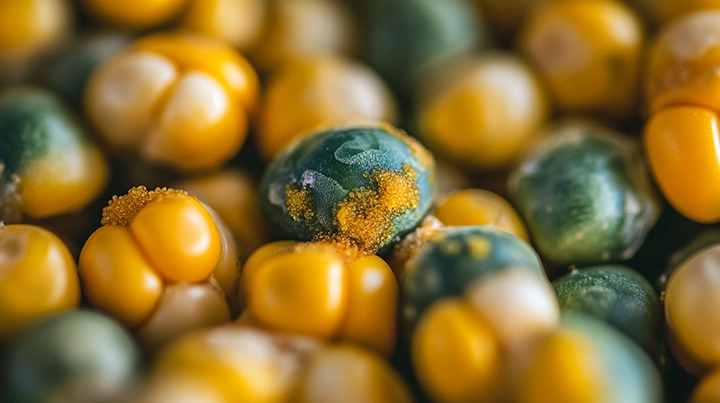
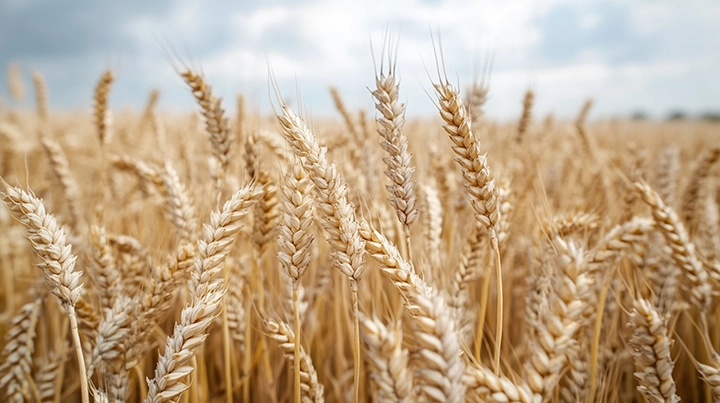
In the sprawling landscape of modern agriculture, the health of livestock often hinges on the quality of the grain-based feed funneled through global supply chains. What seems like ordinary corn or wheat can become a toxic minefield, thanks to the invisible work of fungi. As these organisms colonize crops in the field, in silos, or during transport, they churn out mycotoxins—chemical time bombs capable of undermining animal health, growth, and even survival. Among the worst culprits are aflatoxin B₁ (AFB₁) from Aspergillus species, zearalenone (ZEN), and deoxynivalenol (DON), both produced by Fusarium. Their presence isn’t rare or random; multi-mycotoxin contamination of feed is documented around the world, making this one of agriculture’s most persistent hazards.


A Fungal Solution to a Fungal Problem
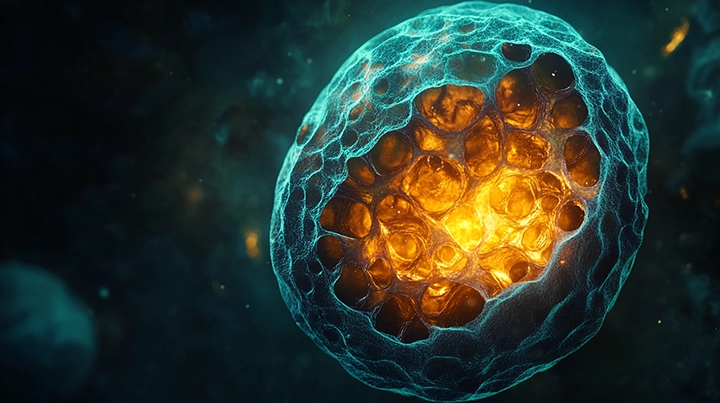
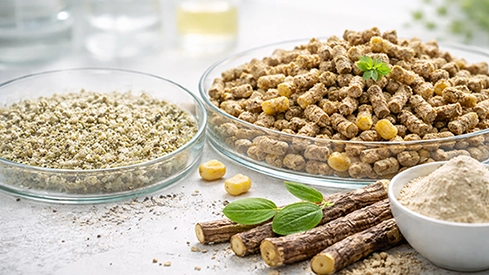
Faced with this threat, researchers took an unconventional turn: what if we could use fungi themselves to counteract their toxic cousins? Enter the combination of Aspergillus niger—a mold with a long, safe track record in food and fermentation—and glycyrrhizic acid (GA), an antioxidant and anti-inflammatory molecule extracted from licorice. Known as CANCGA, this duo represents a shift away from chemical detoxification and toward a more holistic, biotechnological defense. The approach is not about feeding fungus to fungus, but rather leveraging A. niger’s enzymatic toolkit to degrade mycotoxins, while GA shores up the animal’s natural defenses against metabolic and oxidative stress.


Putting the Solution to the Test: Broiler Chickens in the Spotlight
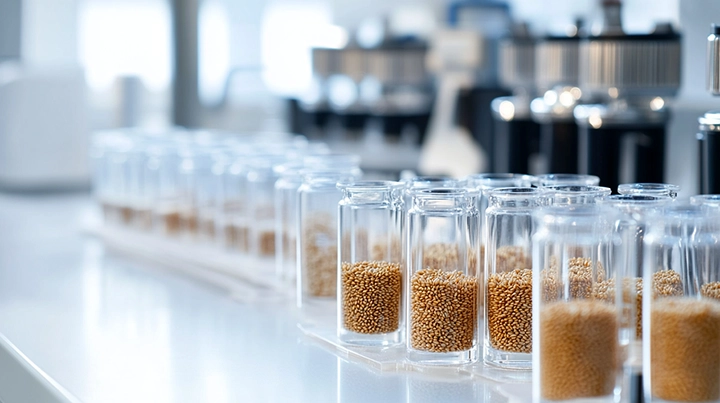
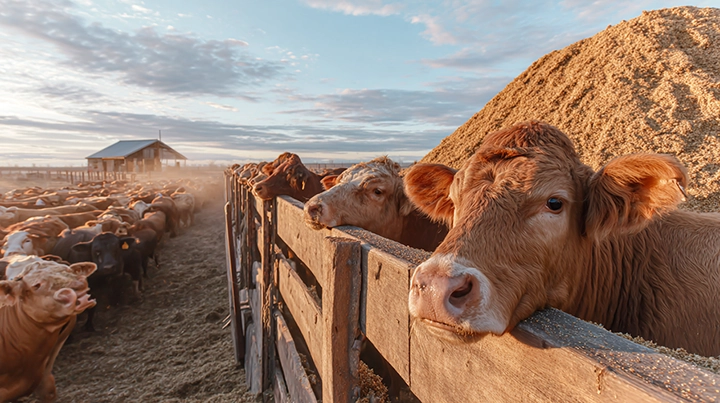
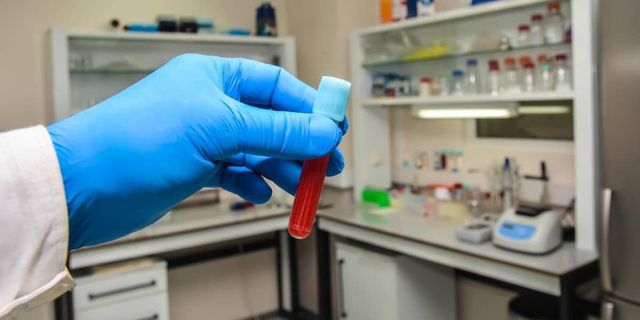
In a rigorously controlled 21-day feeding trial, broiler chickens were given feed laced with AFB₁, ZEN, and DON. As expected, the contaminated diets led to stunted growth, poor nutrient absorption, and clear signs of liver distress. But when CANCGA was added to the mix, the results flipped dramatically: mortality dropped to zero, growth and feed efficiency rebounded, and critical blood markers for health moved back toward normal. On a cellular level, CANCGA appeared to restore disrupted metabolic pathways and limit the oxidative havoc wreaked by the toxins. In short, chickens not only survived contaminated feed—they thrived, showing the strategy’s practical power.


Why Aspergillus niger?
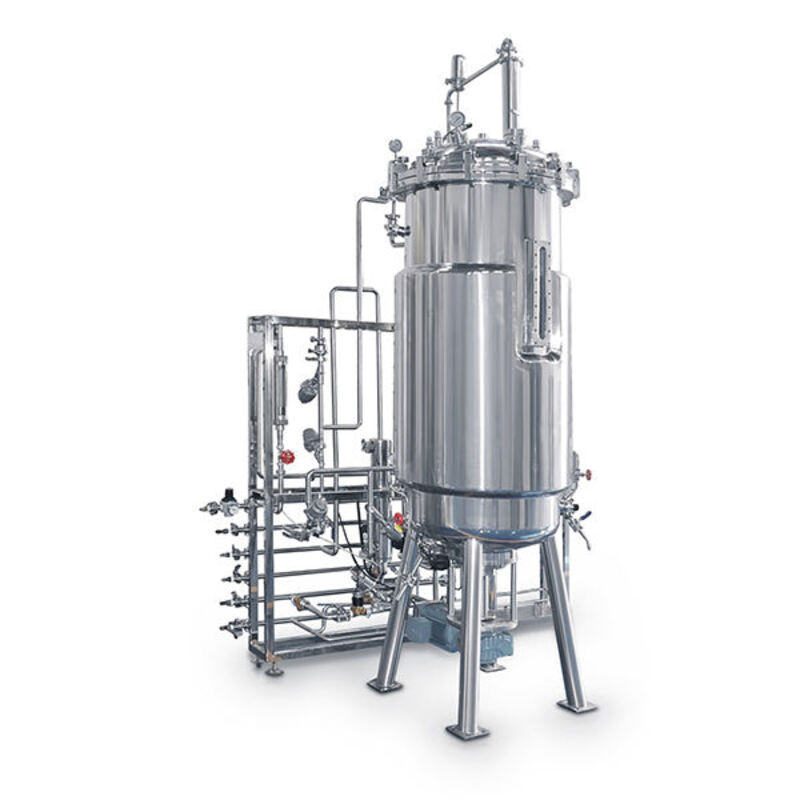
Not all molds are created equal. Aspergillus niger is no stranger to industry; it’s a workhorse in enzyme production, food fermentation, and even citric acid manufacturing. Critically, certain strains produce enzymes that break down mycotoxins, while remaining safe for animal and human consumption. This profile—effective, non-toxic, and already recognized as safe—makes A. niger an ideal candidate for agricultural biotechnology. By using a well-studied, regulation-friendly fungus, researchers sidestep many of the usual hurdles that slow the adoption of new feed additives.

The Surprising Strength of Glycyrrhizic Acid
Often seen as just a sweet flavor in licorice, glycyrrhizic acid is much more. Its antioxidant powers are well documented in human and animal studies, where it reduces inflammation and protects the liver from damage. In this context, GA helps chickens withstand the secondary damage mycotoxins cause—like the cascade of oxidative stress that can debilitate metabolism, immunity, and organ health. When paired with A. niger, the two compounds create a synergistic effect, each covering different fronts in the war against fungal toxins.


A Blueprint for Safer Animal Feed
The implications stretch far beyond poultry. Biological strategies like CANCGA offer a promising, low-residue, and scalable alternative to chemical binders and detox agents currently used in animal feed. As global agriculture struggles with rising levels of mycotoxin contamination, feed additives that blend microbial biotransformation and plant-based antioxidants could help farmers protect their herds and flocks in a more sustainable, science-driven way. This research is a reminder that fighting fungi with fungi—and a dash of plant chemistry—can sometimes deliver the most elegant solutions.
Context: Fungi and Mycotoxins in Animal Production
It’s important to remember the broader cast of fungi at play in feed and storage environments. Aspergillus flavusremains infamous for producing potent aflatoxins. Fusarium species, the source of DON and ZEN, are everywhere from field to bin. Penicillium and Cladosporium species may not always produce major toxins, but they can still spoil feed and affect quality. Even Aspergillus niger, while used here beneficially, is a reminder that species context and strain choice are critical.
Final Thought from Teslo
This study flips the script on the mold narrative: the very organisms responsible for producing toxins in excess can become allies when leveraged wisely. Aspergillus niger and glycyrrhizic acid, when combined thoughtfully, show how biotechnology and nutrition can converge for animal health and agricultural sustainability. In the world of mycotoxins, sometimes the answer is not eradication, but careful partnership with nature’s own tools.
References
Academic Sources
- Karlovsky, P., et al. (2016). Impact of mycotoxins on animal health and performance. World Mycotoxin Journal. DOI: 10.3920/WMJ2015.1979
- Wu, F., et al. (2014). Aflatoxin exposure and health impacts. Environmental Health Perspectives. DOI: 10.1289/ehp.1307298
- Saelim, K., et al. (2020). Enzymatic detoxification of mycotoxins using microbial biotransformation. Journal of Applied Microbiology. DOI: 10.1111/jam.14661
Official & Institutional Sources
- Food and Agriculture Organization (FAO) – https://www.fao.org
- World Health Organization (WHO) mycotoxin fact sheet – https://www.who.int/news-room/fact-sheets/detail/mycotoxins
- U.S. FDA guidance on animal feed safety – https://www.fda.gov/animal-veterinary