The Silent Battle in Our Fields
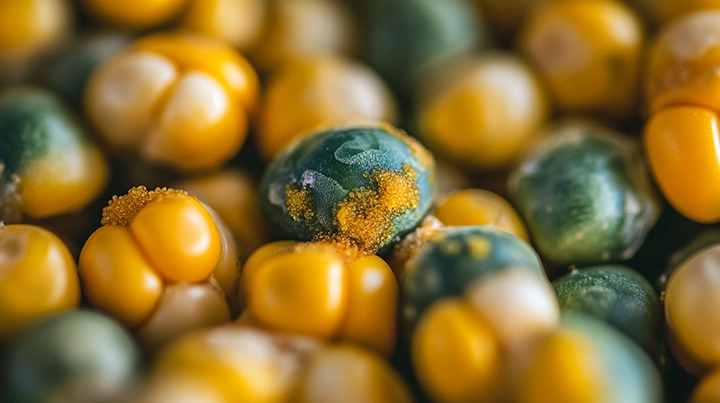
You may not see it, but a quiet war is happening on our farms. Every year, fungal infections wipe out nearly a quarter of the world’s food supply【FAO】, leaving farmers struggling and millions at risk of hunger.
These plant-killing fungi don’t just attack crops—they hijack them from the inside, manipulating their defenses until they collapse.
One of the worst offenders, rice blast disease, destroys enough food to feed 60 million people annually【IRRI】. Yet, despite the devastation, fungal threats remain largely ignored in global conversations about food security.
Chemical fungicides, once the go-to solution, are losing effectiveness against nature’s most persistent invaders. But there’s good news—scientists have finally uncovered how fungi trick plants into self-destruction, and this breakthrough may change the future of agriculture.

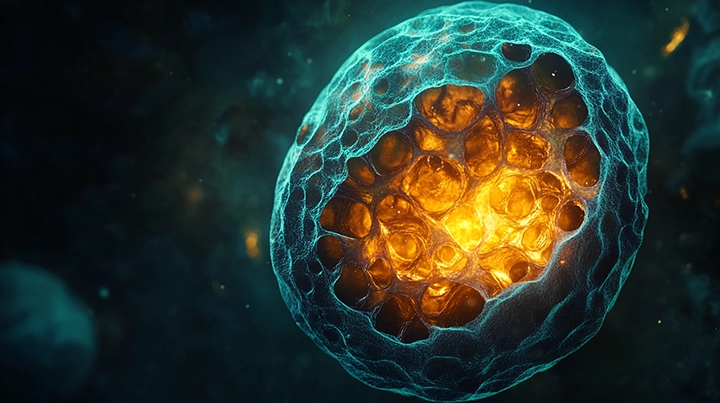
Source: Wikimedia Commons, CC BY-SA 3.0
The Fungal Deception: How Crops Are Tricked into Their Own Demise
Research collaborations from The Australian National University, Germany, and the U.S. have identified the secret weapon fungi use to invade plants: an enzyme called NUDIX hydrolase.
This enzyme acts like a hacker breaking into a computer system, manipulating a plant’s internal defenses until it can no longer fight back. The fungi don’t need brute force to invade—they convince the plant to let them in.
Here’s how it works:
Imagine this: You plant a beautiful garden, and everything looks healthy. But one day, your plants start wilting, even though you’re watering them just right. Something invisible is at work—something sneaky. That’s exactly what happens to crops when fungi attack.
Scientists have discovered that these fungi don’t just invade plants; they trick them into letting down their defenses. It’s like a smooth-talking intruder convincing you to leave your front door wide open.
Once inside, the fungus manipulates the plant’s survival instincts, making it think it’s starving. Instead of fighting back, the plant focuses on trying to “save itself,” all while the fungus quietly spreads and takes over.
This discovery is a game-changer because scientists now know exactly how fungi pull off this deception. Even better? They’re figuring out how to stop it before it even starts. That means stronger crops, healthier harvests, and fewer food shortages in the future.

Source: Wikimedia Commons, CC BY-SA 3.0
The Breakthrough That Could Change Farming Forever
Scientists are now using what they’ve learned to help crops fight back in a smarter, more natural way. Instead of relying on chemical sprays that lose effectiveness over time, they’re finding ways to make plants more resilient on their own.
One exciting solution is teaching crops to recognize fungal threats before they take hold. Think of it like a built-in alarm system—when the plant senses danger, it strengthens its defenses right away, stopping the fungus before it spreads.
Another promising approach is a natural “off switch” for fungal infections. If fungi do manage to sneak in, this method would cut off their ability to control the plant, keeping them from spreading and causing destruction.
And the best part? This breakthrough isn’t just for rice. Scientists believe they can use these same techniques to protect other important crops, like corn, melons, chickpeas, and fruit trees.
That means healthier harvests, fewer losses for farmers, and more food security for everyone.
Why This Breakthrough Matters—And How It Affects Your Everyday Life
Climate change is making fungal infections worse. Warmer temperatures and increased humidity create the perfect conditions for fungal outbreaks, pushing global agriculture to its limits.
Farmers are already struggling with extreme weather, water shortages, and rising costs—they can’t afford another widespread fungal crisis.
Without action, we face billions in crop losses, rising food prices, and more communities going hungry. But this discovery changes everything. It offers a real chance to neutralize fungal pathogens before they destroy harvests.
The only question is whether the world will act fast enough to make this technology a reality.
Final Thought: The Time to Act is Now
For too long, fungal diseases have been an overlooked threat to our food supply. But now, the science is here, and the solution is within reach.
Scientists have exposed the fungi’s weakness—now it’s up to governments, biotech firms, and farmers to invest in this research and turn it into real-world solutions.
If we act now, we can protect our crops, strengthen global food security, and prevent the next agricultural crisis before it begins.
The future of farming depends on it.
Food security isn’t just about growing more—it’s about protecting what we already have.

Source: Wikimedia Commons, CC BY-SA 4.0
References
- FAO – Food Loss and Waste
- IRRI – Rice Blast Disease
- WHO – Food Safety & Security
- ANU – Plant Pathogen Research
- NUDIX Hydrolase study – Journal of Biological Chemistry (2021) Link
- IPCC – Climate Change Reports
- Wikimedia Commons images:
- Rice blast disease (CC BY-SA 3.0)
- Magnaporthe oryzae (CC BY-SA 3.0)
- Rice farmer (CC BY-SA 4.0)
- Chart: Generated by AI based on FAO data