A Hidden Passenger Within a Deadly Mold
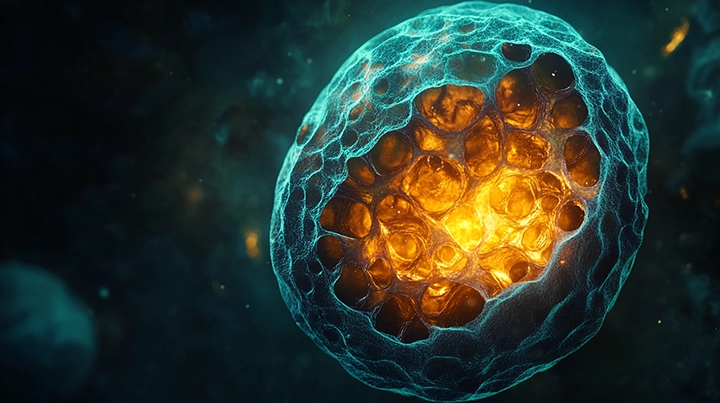
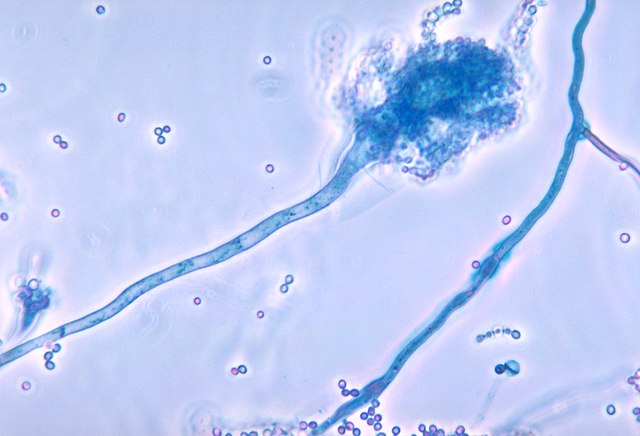
Inside the shadowed architecture of Aspergillus fumigatus — a mold already infamous for preying on the immunocompromised — scientists have uncovered an unexpected companion. This covert partner is a double-stranded RNA virus embedded deep within the fungus, quietly shaping its behavior like an unseen coil augmenting an electrical field.
The discovery, announced by researchers at the Hebrew University of Jerusalem, reveals that the fungus’s destructive power may depend not on its own biology alone, but on the influence of this internal viral guide.
A Fungal Killer — Now Revealed to Be a Duo
Clinicians have long treated A. fumigatus as a solitary invader responsible for life-threatening lung infections. Mortality can reach 50%, especially in patients undergoing chemotherapy, recovering from organ transplants, or living under the shadow of suppressed immunity.
But the new findings suggest the fungus cannot fully achieve its virulence without its viral partner. Under the virus’s influence, A. fumigatus withstands oxidative stress, evades immune defenses, and thrives where lungs should suffocate it.
To probe this relationship, the research team engineered virus-free fungal strains. Without the virus, the fungus weakened noticeably: reproductive output declined, melanin production diminished, and infections in animal models became far less severe.
Even more compelling, antiviral treatments directed solely at the mycovirus improved survival — despite the fungus remaining present.
The virus, it seems, behaves not as a passenger but as an internal regulator, subtly twisting biological dials that determine the fungus’s aggression.
The Viral “Backseat Driver” and the Biology of Control

Dr. Neta Shlezinger described the viral resident as a molecular “backseat driver.” In my view, it more closely resembles a parasitic oscillator within an intricate circuit — one whose influence does not create the current, but redirects it. Remove this silent modulator, and the fungal machinery loses its coherence. The waveform collapses from a destructive surge to a harmless hum.
This dual organism — fungus and virus intertwined — forces us to reconsider our assumptions about pathogenic identity.
If a microbe’s virulence can be engineered by an interior virus, then infection becomes not the action of a single species, but the result of a symbiotic engine working in unison.
A New Strategy: Disarming the Virus, Not Destroying the Fungus
Antifungal therapies have long lagged behind the evolution of resistance. Our weapons are blunt, slow to innovate, and often toxic.
But this discovery opens a new horizon.
Instead of trying to exterminate the fungus itself, we may disable the viral component that fuels its strength. An antiviral-based approach transforms the battlefield: rather than detonating the structure, we cut the internal wire supplying its power.
This strategy suggests a future with antiviral adjuncts, diagnostic tools that identify virus-loaded fungal strains, and predictive models that measure disease severity not only by fungal burden but by viral presence.
It is a more elegant, more precise path — one that speaks to the engineering mindset, where disabling a single internal regulator can quiet an entire machine.
A Redefined Understanding of Mold Ecology
This revelation compels us to view molds not as solitary organisms, but as biological consortiums — complex alliances between fungi and the viral passengers shaping their behavior.
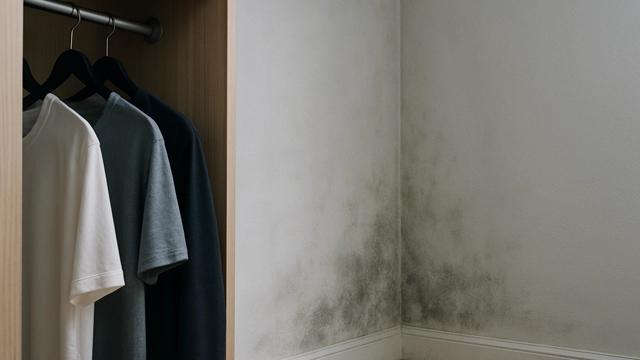
Such partnerships may determine how molds survive disinfectants, tolerate environmental extremes, or gain footholds in hospitals and indoor environments.
If A. fumigatus harbors such a partner, what of other pathogenic molds? What of those populating air ducts, industrial systems, or food-fermentation chambers?
The fungal kingdom may be threaded with viral overseers whose impact we have only begun to comprehend.
The New Battlefront: The Invisible Architect Within
The emerging picture is striking. The true adversary in many fungal infections may not be the mold itself, but the viral conductor living within it — setting the rhythm, dictating the tempo, and guiding the assault.
As global health agencies warn of increasing fungal threats, this study offers a profound truth: we must examine not only the visible organism but also the hidden forces animating it.
Much like alternating current revealed the invisible structure of electrical transmission, this discovery illuminates the unseen currents governing one of medicine’s most formidable pathogens.
The future of antifungal intervention may lie not in harder blows, but in the precise quieting of the virus that whispers in the fungus’s core.
References
- Hebrew University of Jerusalem. (2025). Discovery of mycoviral modulation in Aspergillus fumigatus virulence.
- Nature Microbiology. (2025). dsRNA mycovirus enhances oxidative stress resistance in Aspergillus fumigatus.
- Centers for Disease Control and Prevention (CDC). (2024). Aspergillosis overview.
- Wikipedia: Aspergillus fumigatus, Mycovirus, Double-stranded RNA virus, Melanin biosynthesis, Fungal ecology.