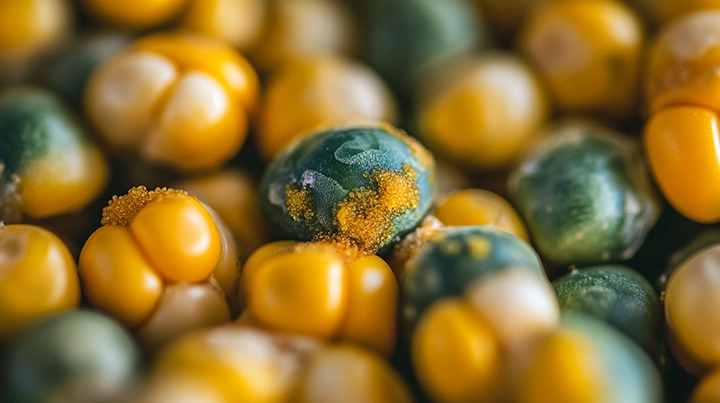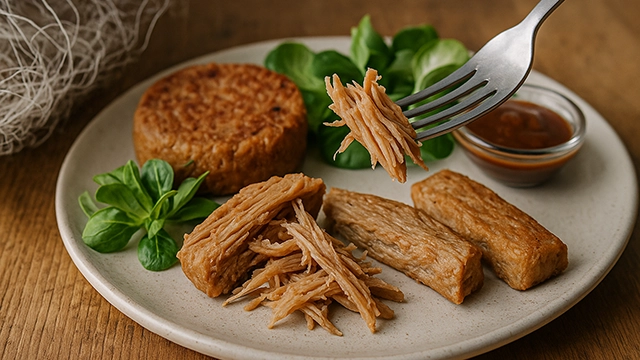
When we think of mold, what usually comes to mind is spoiled bread, dark stains on the wall, or a cleaning nightmare. But what if I told you that these “unwanted microbes” are now being transformed into heroes tackling both food security and environmental crises? In a world where meat demand keeps rising and resources are shrinking, fungi are stepping into the spotlight through a new role—fungal meat—and challenging our imagination of the future of food.
The Secret of Mycelium: Nature’s Hidden Web
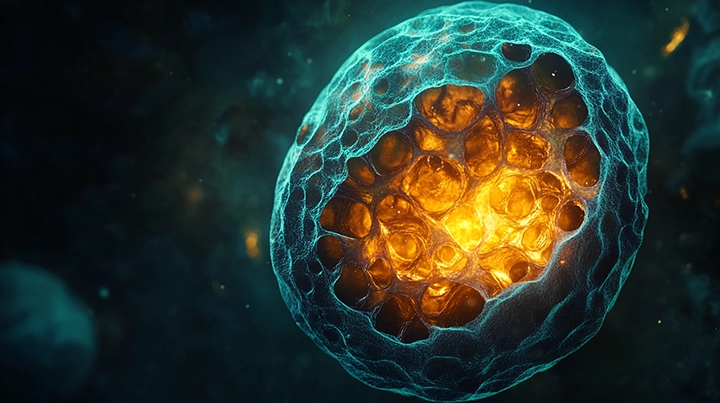
Molds, like mushrooms, belong to the fungal kingdom. Unlike mushrooms, however, they don’t grow fancy caps. Instead, their body is made of mycelium—a network of thread-like tubes called hyphae. These filaments weave together into a dense web. Their cell walls are built from chitin and beta-glucans, making them both sturdy and flexible. This fibrous structure is what gives fungal meat its surprisingly meat-like texture.
Mycelium also has a superpower: adaptability. It can thrive in many environments and grows quickly when provided with sugar, water, and nitrogen. In bioreactors, this means fungi can churn out large amounts of protein in a matter of hours or days—a process far more efficient than raising cattle or pigs for months.

The Star Species on the Menu
The first fungus to make it into mainstream food products was Fusarium venenatum. Discovered in soil, this mold produces mycelium that closely resembles chicken fibers in texture. It became the foundation of Quorn, the world’s first commercial mycoprotein brand.
Other fungi are now being tested. Neurospora intermedia, traditionally used in Indonesian fermented rice, shows promise. Aspergillus oryzae, famous for brewing sake and soy sauce in Japan, has a long record of safe use. Scientists hope these familiar fungi can offer new flavors and nutritional profiles for fungal meat.
Emerging candidates include Fusarium compactum and Rhizopus oryzae, both showing strong protein content and promising textures. For example, Fusarium compactum MM-135 has recently been characterized for safe and efficient mycoprotein production. Some teams are even using genetic engineering to enhance fungi like Aspergillus niger, tweaking growth patterns so their mycelium mimics animal muscle fibers more closely, such as in a cell wall engineering study on Fusarium venenatum. The field is moving fast, and fungal meat is no longer tied to a single brand or species—it’s becoming a diverse, experimental frontier.

From Fermenter to Plate: The Sustainable Edge
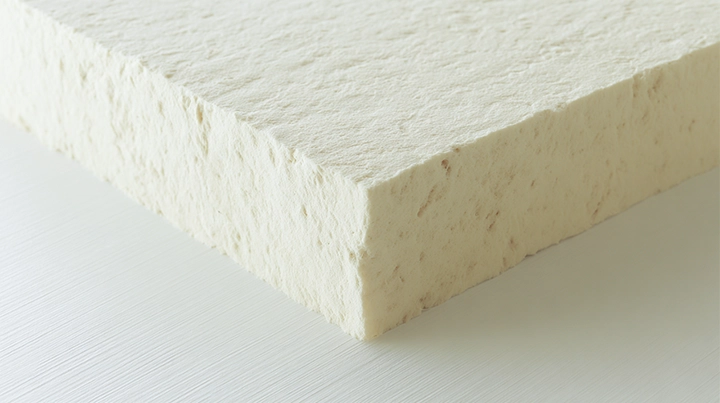
The production of fungal meat centers on large fermenters. The process resembles brewing beer or making yogurt, but instead of alcohol or lactic acid, the main product is the fungal biomass itself. Once harvested, the mycelium is processed into fibers, patties, or chunks ready to be seasoned and cooked.
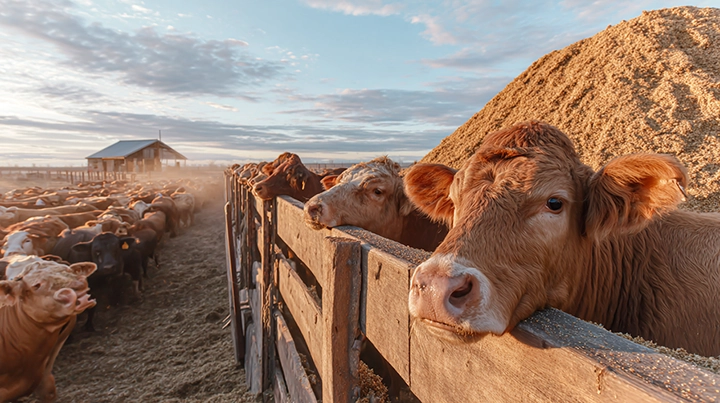
The sustainability advantage is striking. Fungal cultivation requires no farmland for grazing and little irrigation. A global environmental study shows that replacing part of beef with mycoprotein could sharply reduce greenhouse gas emissions and land use. Compared to traditional animal farming, fungal meat produces far lower greenhouse gas emissions and water use, making it one of the most resource-efficient protein sources on the planet.
Eating Healthy, Eating Safe
From a nutrition perspective, fungal meat has strong appeal. It is high in protein, low in fat, and cholesterol-free—good news for heart health. Mycelium is also rich in beta-glucans, dietary fibers linked to better blood sugar control and immune support, as reviewed in a systematic nutrition study.
But it’s not perfect. Some people may have allergic reactions to fungal proteins. The chitin in fungal cell walls can reduce digestibility. And because fungi naturally contain higher levels of nucleic acids, processing steps are required to lower these levels and prevent excess uric acid in the body. In short, fungal meat is promising, but it needs careful processing and more nutritional studies before it can fully replace animal meat.
Future Possibilities and Challenges
The road ahead is exciting but not without obstacles. Cost remains an issue. While fungi grow quickly, industrial-scale fermenters and downstream processing are expensive. Flavor and consumer perception are another challenge. Many people still associate “mold” with spoilage and disease. Overcoming that psychological barrier is as important as solving the technical hurdles.
Still, fungi offer a unique middle path. Unlike cultured meat, they don’t need animal cells or costly growth serum. Unlike plant-based proteins, they don’t depend on vast fields of soy or peas. Fungi represent a third way—a microscopic ally with the potential to reshape our global diet.

Rethinking Mold as an Ally
For centuries, mold has been a symbol of decay, contamination, and allergy. But under the lens of sustainability, its image transforms. Through fungal meat, molds and mycelium are stepping up as sources of nutrition and as allies in reducing deforestation and carbon emissions.
The next time you see a fungal-based burger in a store, remember: what you’re about to eat comes from an invisible web of mycelium. Those delicate threads may hold the power to weave a more sustainable future for us all.
References
- Quorn official site: Quorn.co.uk
- PubMed. (2020). Beta-glucans and health benefits. PubMed