A New Growth Spurt for Fungal Materials
Why are mycelium materials moving from niche innovation to industrial scale?
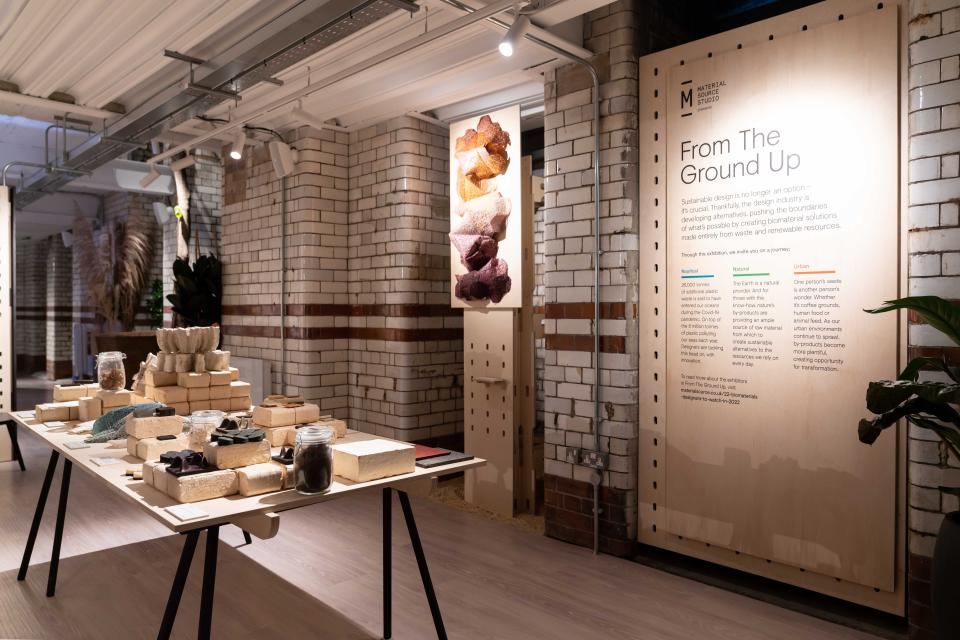
Something remarkable is happening in materials science. A quiet, fibrous revolution is emerging not from steel mills or petrochemical plants, but from the patient weave of mycelial networks. For years, mycelium-based materials lived at the edges of industry, showcased in design exhibitions and sustainability prototypes but rarely scaled into mainstream production.
That is now changing. A UK-based mycelium company has secured £4.5 million in funding to expand into North America, signaling a shift from experimental materials to industrial manufacturing. This investment reflects a broader transition in the sector, where mycelium is no longer treated as a novelty but as a viable production platform.
The industry is entering a new phase where scalability, consistency, and manufacturing discipline begin to align with environmental goals. Mycelium materials are stepping beyond concept and into supply chains.
How Mycelium Became an Industrial Material
What makes mycelium suitable for manufacturing applications?


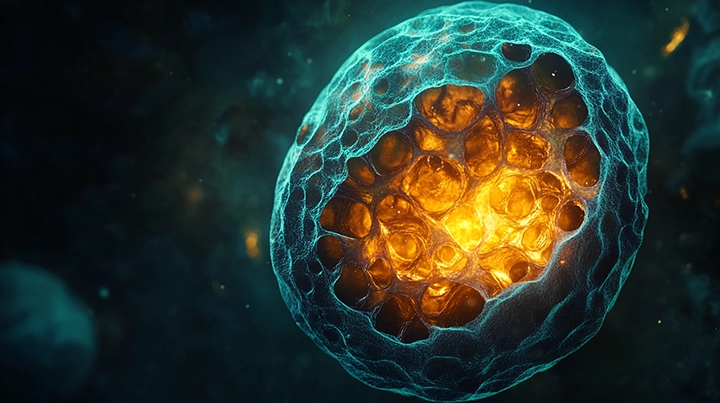
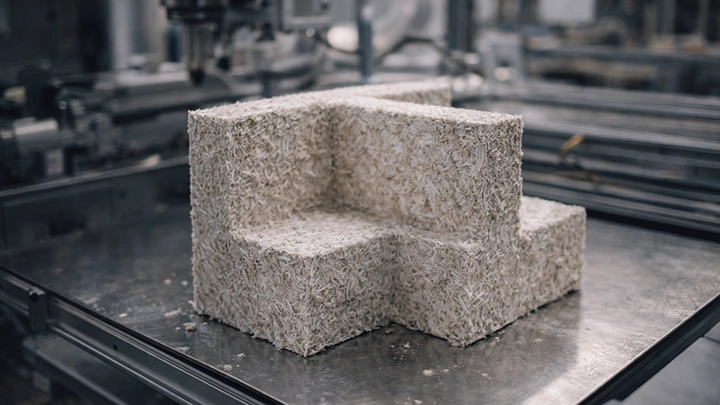
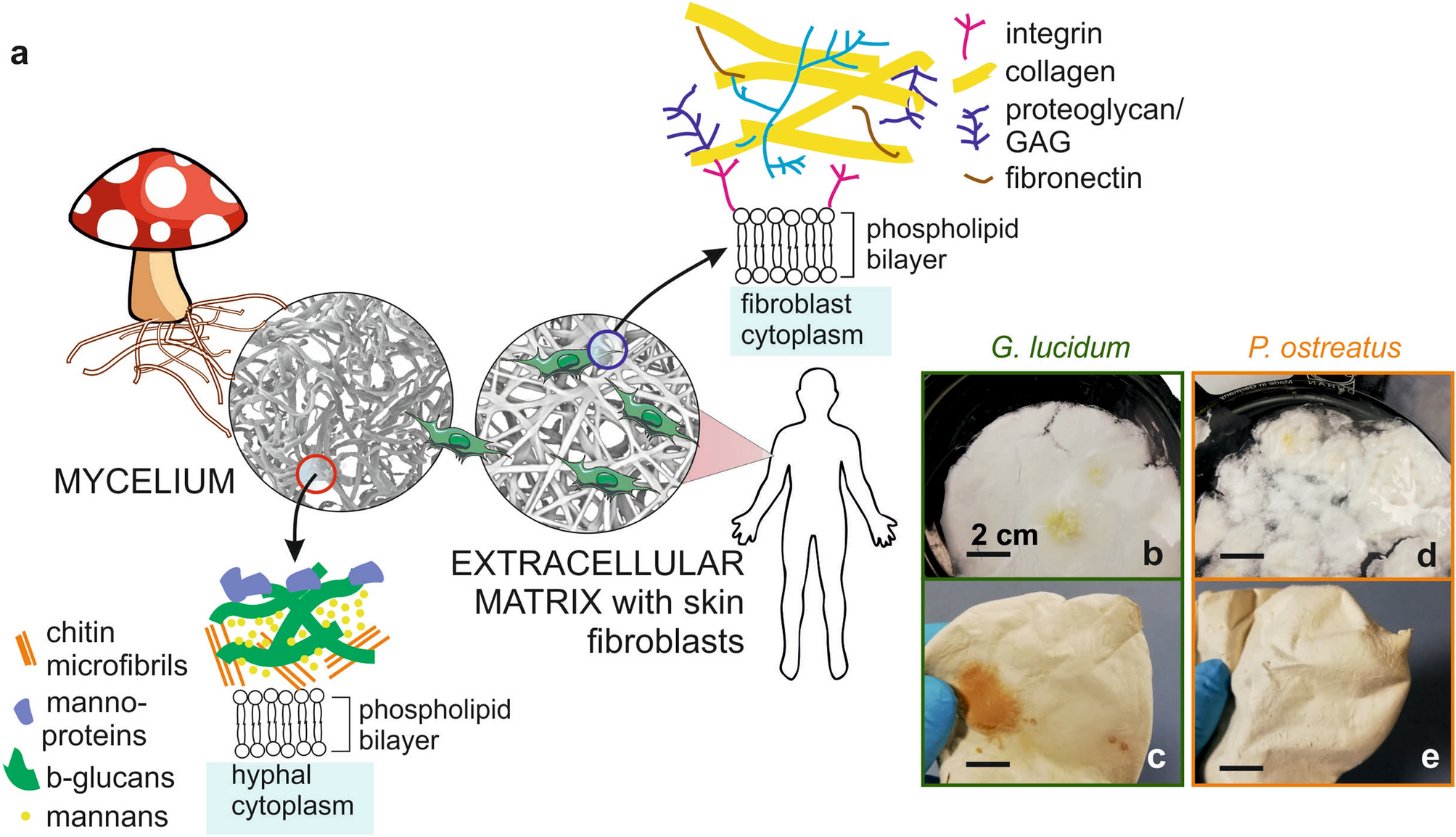
The strength of mycelium lies in its biology. When fungi grow through agricultural by-products such as hemp hurds, straw, or sawdust, their filamentous structures bind these particles into a cohesive material. This process creates a natural composite without the need for synthetic adhesives or high-energy processing.
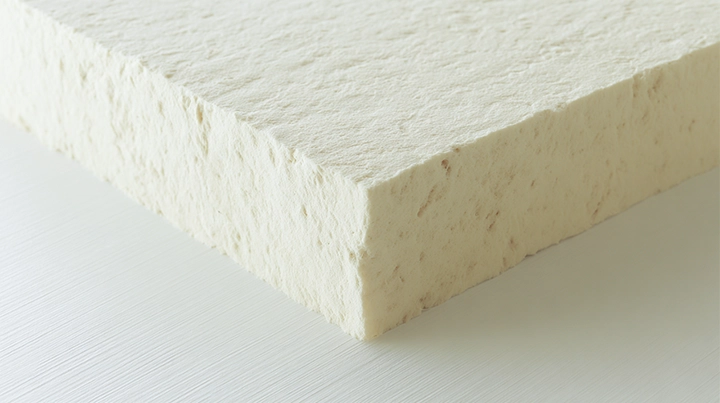
The resulting material combines several desirable properties. It provides natural insulation, remains lightweight while maintaining structural integrity, resists fire, and is fully biodegradable. When grown on waste biomass, it can even achieve a carbon-negative profile.
What makes this approach particularly distinctive is that the material is not carved or molded through traditional manufacturing methods. Instead, it is grown into shape. The production process becomes a controlled biological system rather than a mechanical one.
This reframes manufacturing itself. Instead of extracting and shaping raw materials, industries can cultivate them.
Why North America Is the Next Frontier
Why is the fungal materials industry expanding into the US and Canada?


The expansion into North America reflects a convergence of economic, environmental, and industrial conditions.
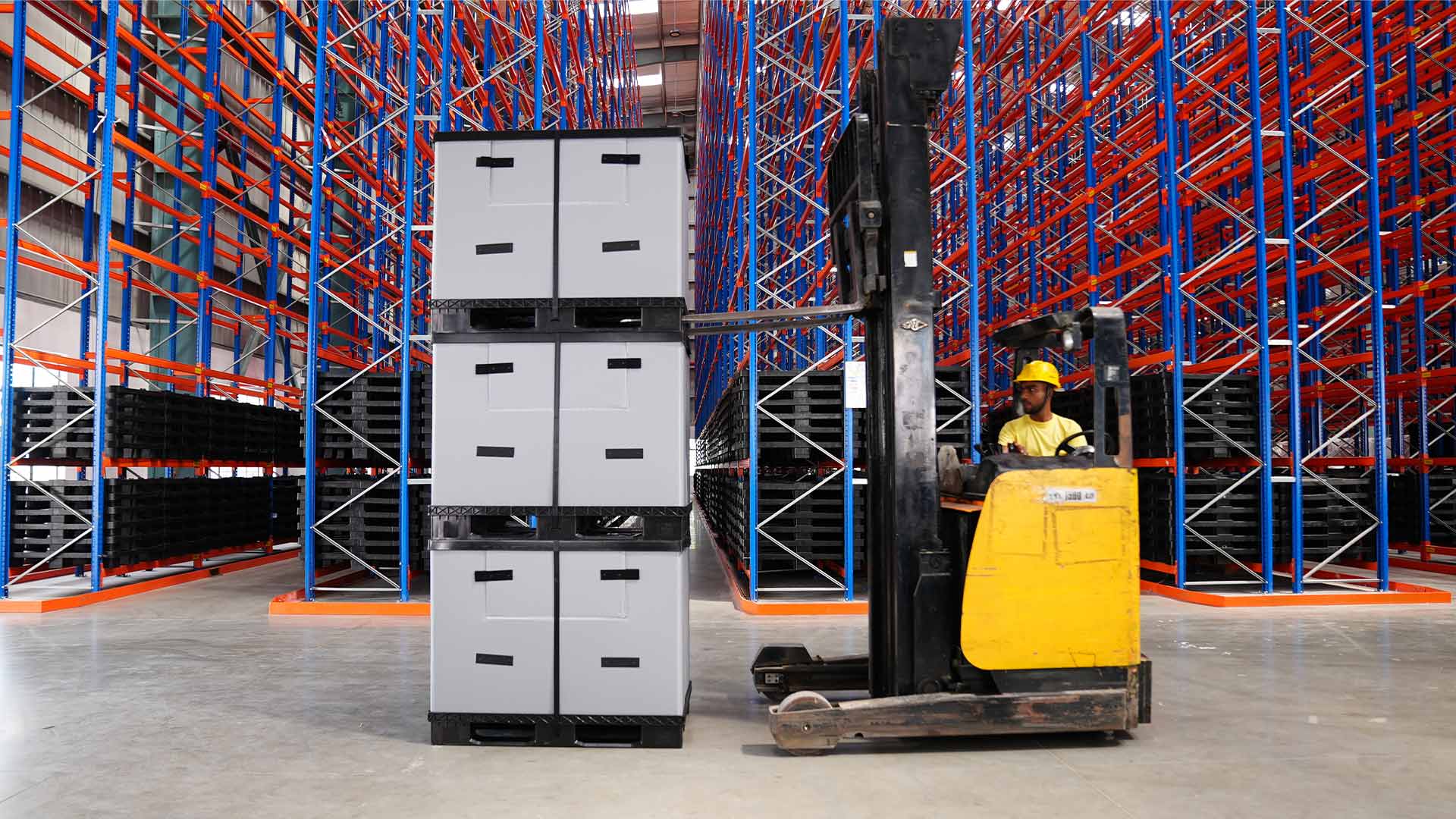
One major driver is the accelerating demand for sustainable packaging. Companies are under increasing pressure to replace single-use plastics, and mycelium-based packaging offers a biodegradable alternative without requiring industrial composting infrastructure.
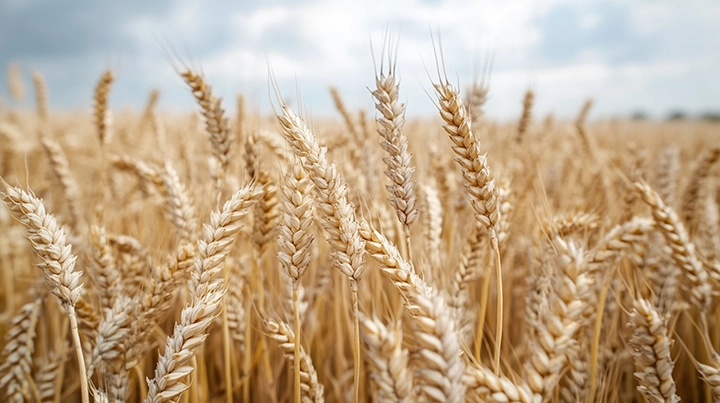
North America also provides abundant agricultural feedstock. Crop residues such as corn stalks, wheat straw, and sawdust can be repurposed as substrates for mycelium growth, transforming waste streams into manufacturing inputs.
Investment momentum further reinforces this shift. Biomaterials are attracting strong interest due to their alignment with climate goals and industrial transformation. Regional production reduces transportation costs and lowers carbon emissions, making localized manufacturing both efficient and strategic.
The £4.5 million funding will support expanded infrastructure, including bioreactors, automated growth systems, and regional production partnerships.
From Packaging to Panels
What products can be made from mycelium materials?
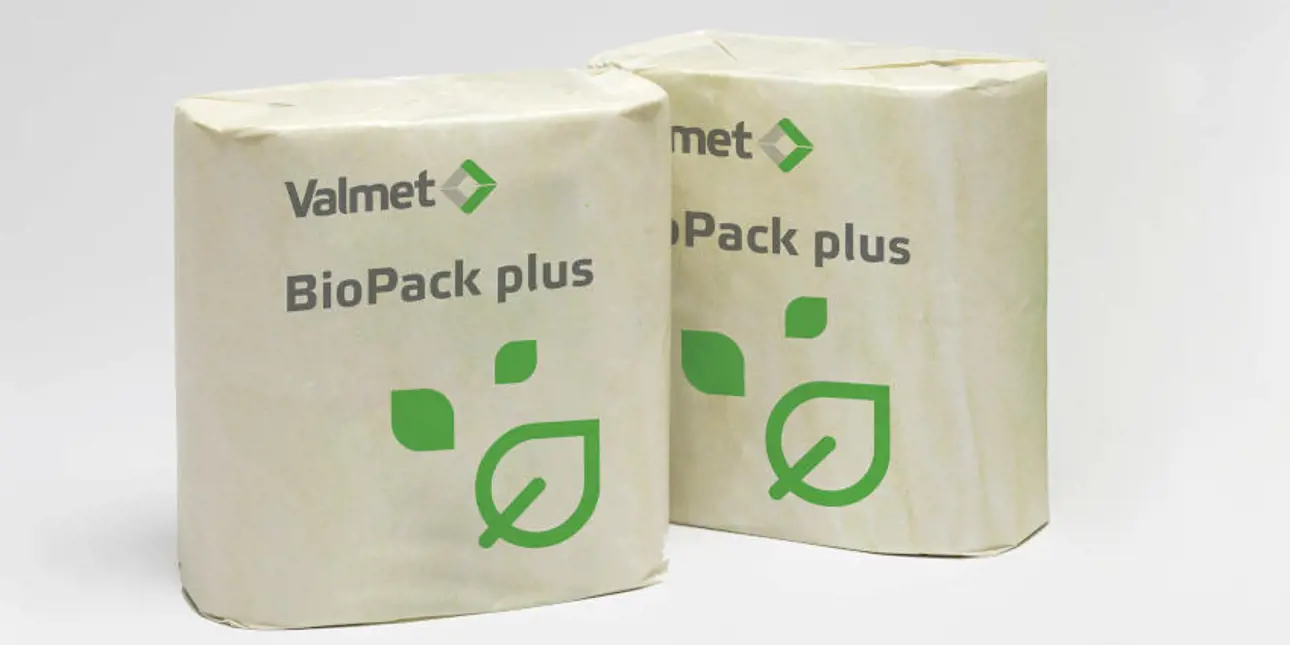
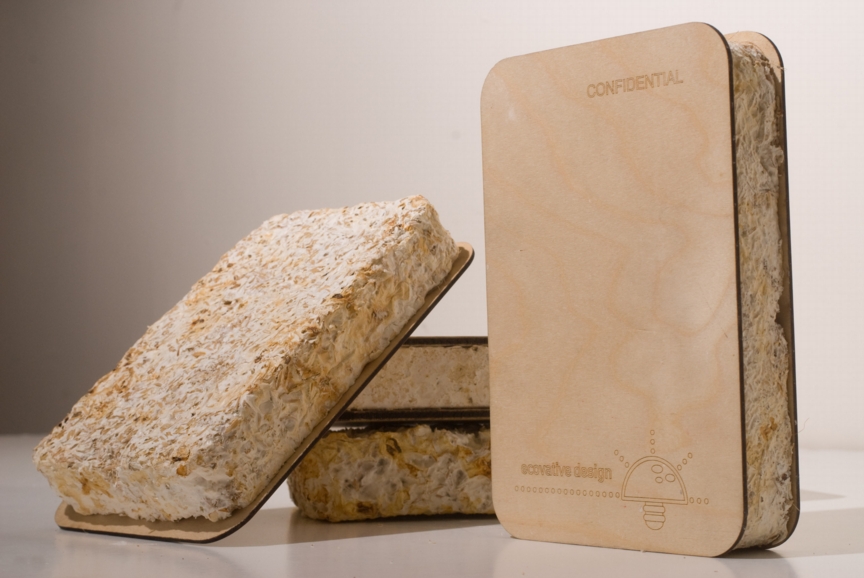
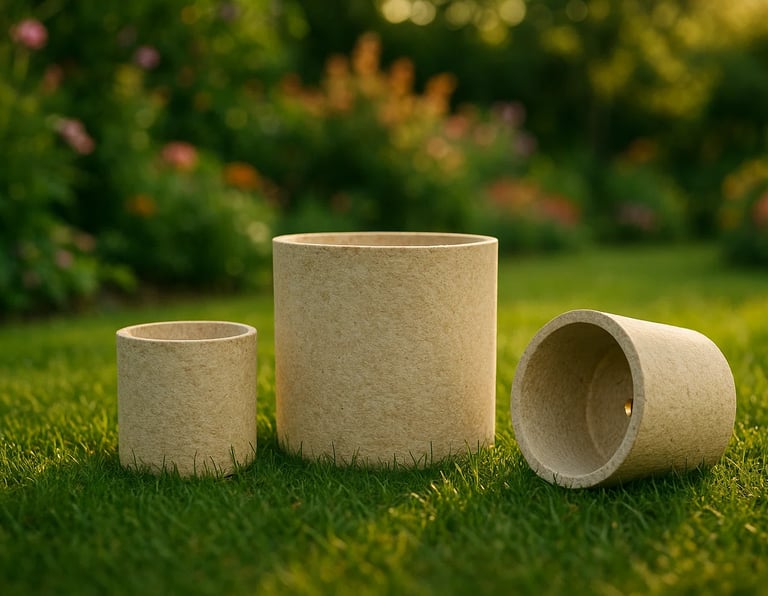
Mycelium materials have moved far beyond their initial role as protective packaging inserts. They are now being developed across multiple industrial categories.
Applications include thermal and acoustic insulation for buildings, biodegradable horticultural systems, protective packaging, and composite panels for construction. Mycelium can also replace petroleum-based materials such as polystyrene in molded forms.
Its versatility comes from its growth-based manufacturing process. Materials can be formed within molds, allowing structure and shape to emerge directly during growth. The mold defines the geometry, while biology completes the material.
As development advances, mycelium is increasingly positioned not as a niche alternative, but as a standard option within sustainable supply chains.
A Climate Case Hidden in the Hyphae
How do mycelium materials contribute to sustainability and carbon reduction?
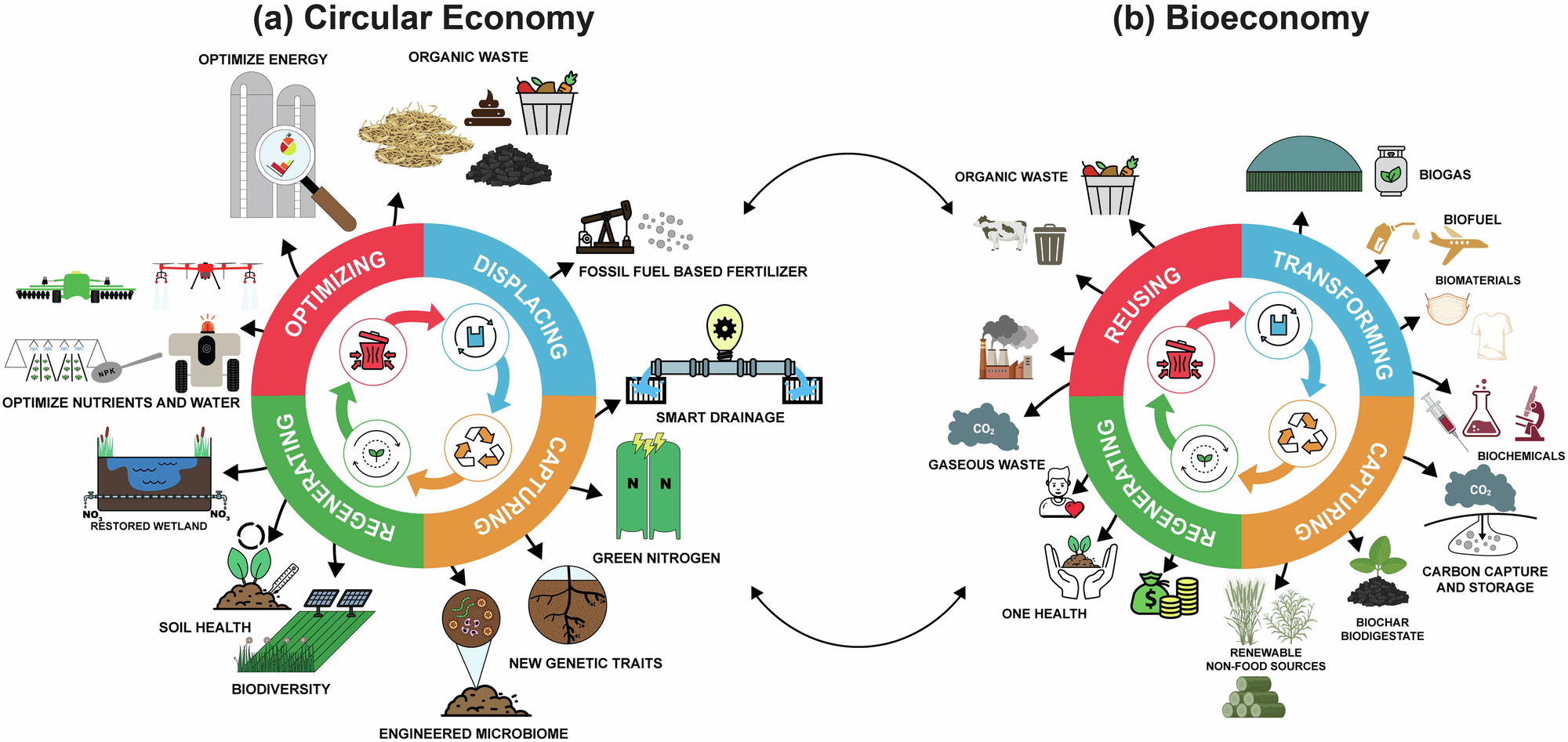


Beyond performance, mycelium offers a distinct environmental advantage. Its production requires relatively low energy compared to conventional manufacturing and relies on agricultural by-products rather than newly extracted resources.
During growth, mycelium incorporates carbon into its structure, effectively storing it rather than emitting it. At the end of its life cycle, the material biodegrades naturally, avoiding long-term accumulation in landfills.
This positions mycelium within a regenerative manufacturing model. It is not only a substitute for existing materials but part of a broader system designed to align industrial output with ecological balance.
Scaling Into the Future
What does the £4.5M investment enable for fungal manufacturing?
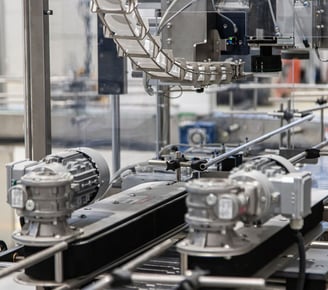

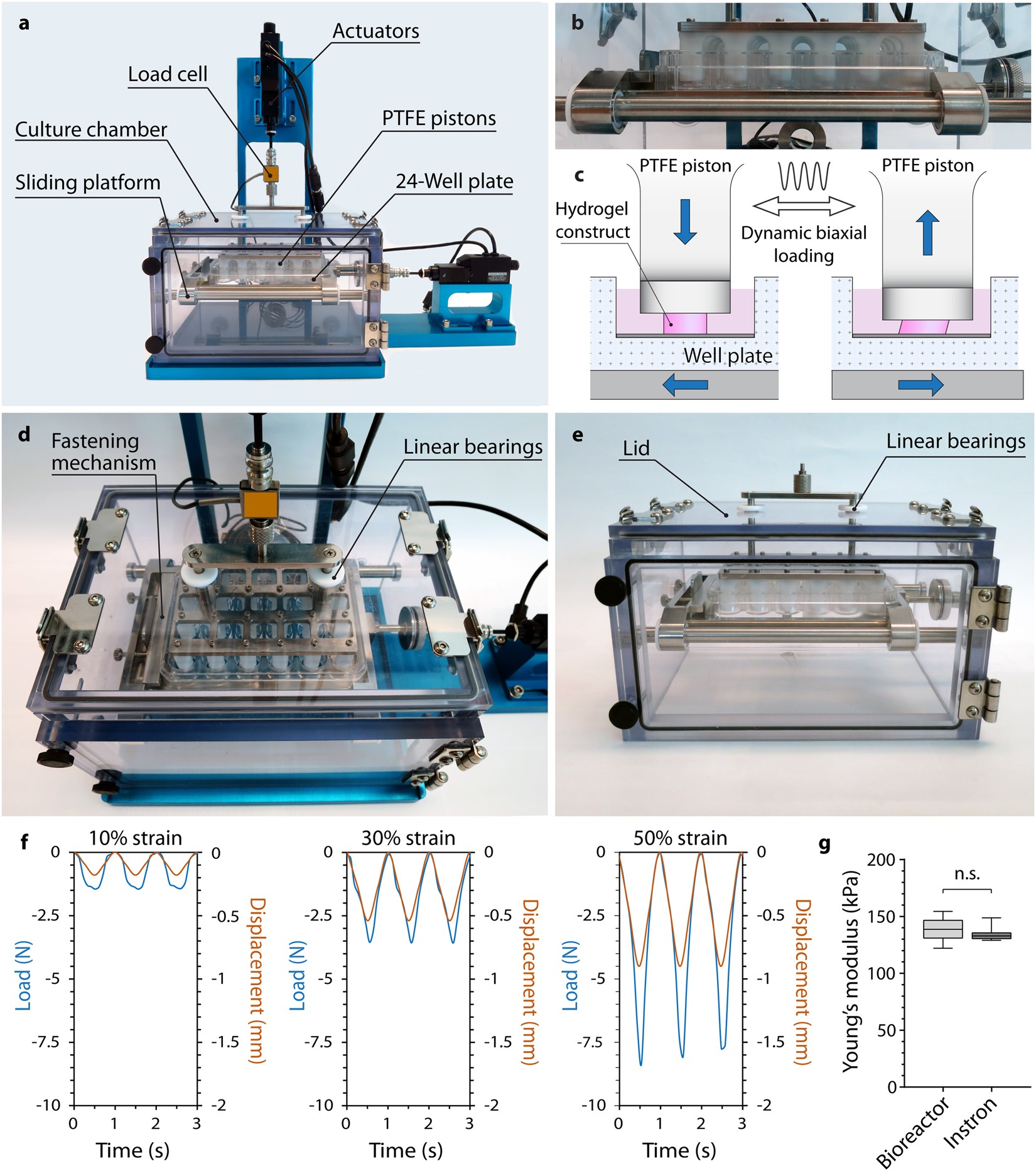
The funding enables expansion across several critical areas. Planned developments include new production facilities in North America, increased automation to accelerate growth cycles, and partnerships with industries in packaging and construction.
The company is also advancing research into fungal composites, exploring materials that could replace components such as drywall panels and structural boards.
This signals a shift in how mycelium is perceived—from a material option to a platform technology capable of supporting multiple industries.
The Bigger Shift in Materials Science
Are grown materials the future of manufacturing?

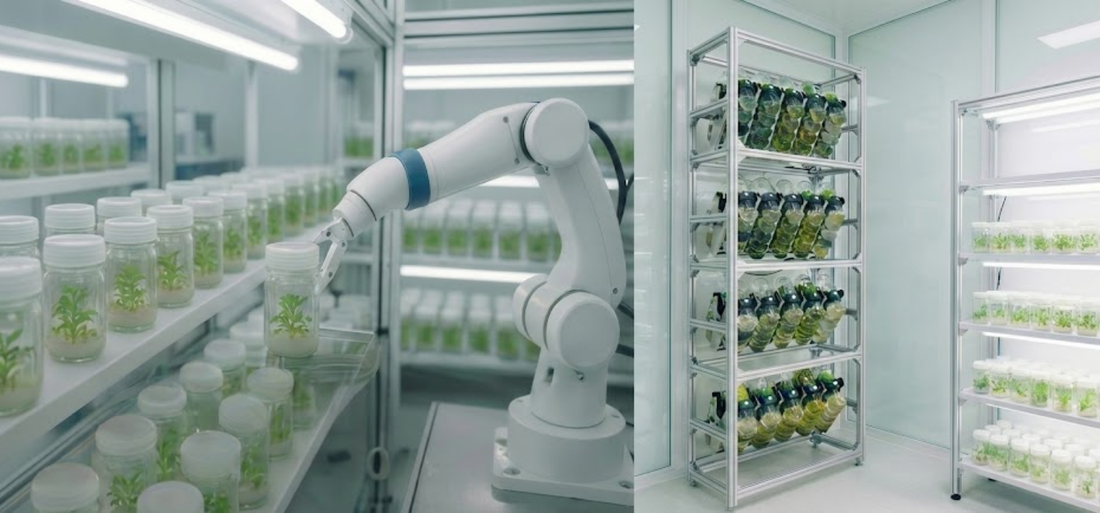
The £4.5 million investment marks a turning point. Mycelium has moved from experimental exploration into industrial scaling.
More importantly, it reflects a deeper transformation in manufacturing logic. Traditional systems rely on extraction, refinement, and disposal. Emerging systems are based on growth, regeneration, and circular use.
Mycelium represents this shift. It merges biological processes with industrial design, suggesting a future where materials are cultivated rather than manufactured in the conventional sense.
❓ FAQ
What are mycelium materials?
Mycelium materials are bio-based composites created by growing fungal networks through agricultural waste such as straw or sawdust. The fungal fibers bind the material into a solid structure without synthetic adhesives.
Why are companies investing in fungal materials now?
Rising demand for sustainable alternatives to plastics and pressure to reduce carbon emissions are driving investment. Mycelium offers both environmental benefits and scalable manufacturing potential.
Can mycelium replace plastic packaging?
Yes, mycelium-based packaging can replace materials like polystyrene. It is biodegradable, compostable, and can be grown into custom shapes.
Is mycelium strong enough for construction use?
Mycelium materials are being developed for insulation and composite panels. While not suited for all structural uses, they show strong potential for non-load-bearing applications.
How does mycelium help reduce environmental impact?
Mycelium production uses agricultural waste, requires less energy, stores carbon during growth, and biodegrades naturally, reducing long-term pollution.