Waste Not, Want Everything: The New Age of Fungal Engineering
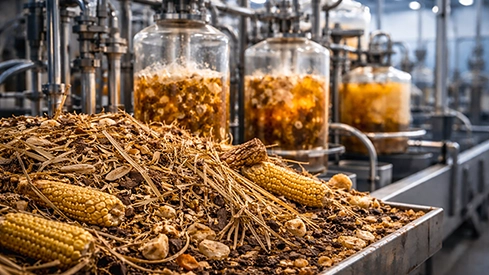
Picture a world where farm waste, sawdust, or even discarded straw isn’t a problem to burn or bury, but the raw ingredient for a new wave of sustainable products—from biofuels to green chemicals and beyond. If you think it sounds like a fantasy, meet the unsung heroes at the center of this quiet revolution: filamentous fungi and their microbial teammates.
A recent review in Biotechnology for Biofuels and Bioproducts offers a front-row seat to this bioindustrial transformation. It’s a story of resourcefulness, synergy, and a dash of biological choreography—one where mold isn’t a mess, but a mastermind.

Fungi: Nature’s Master Decomposers, Now in the Lab
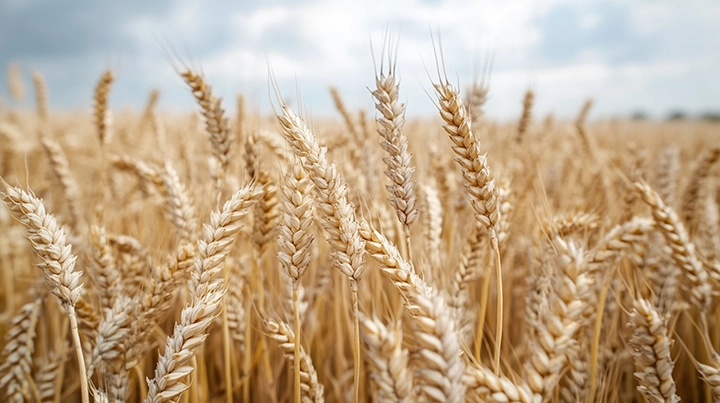
Let’s start at the beginning: lignocellulose. It’s the tough, fibrous skeleton of plants, found in everything from cornstalks and rice husks to forest floor litter. For centuries, this plant waste was left to rot or burned for heat. But inside those tangled polymers is a locked pantry of energy and carbon.
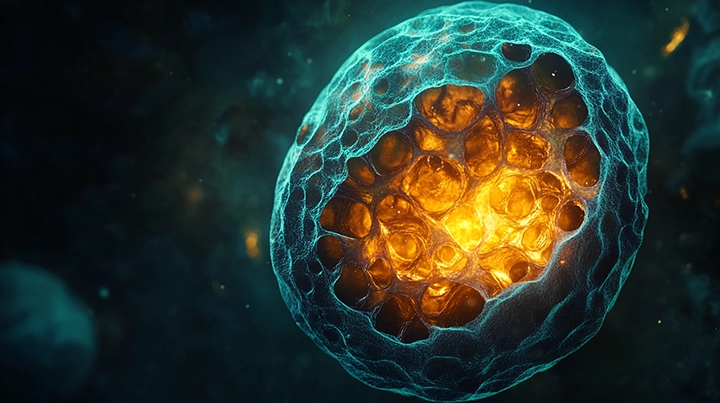
Filamentous fungi—like Trichoderma, Aspergillus, and Penicillium—are the natural keyholders. Their superpower? A toolkit of potent enzymes able to unravel cellulose, hemicellulose, and lignin into simple sugars and aromatic compounds. Think of them as chefs prepping the meal—breaking down what no one else can digest.
But in today’s biotech world, these fungi are no longer working alone. Engineers and microbiologists are pairing them with specialized bacteria and yeasts in synthetic consortia—microbial dream teams that cooperate to turn tough plant matter into fuels, organic acids, enzymes, or high-value chemicals. Fungi break down the barriers; bacteria and yeasts turn the resulting sugars into usable energy or bioproducts. It’s more than teamwork—it’s a masterclass in division of labor.

Designing the Perfect Microbial Orchestra
If you’ve ever tried to cook with friends, you know that success requires good planning. The same goes for engineered microbial consortia. The review highlights several design strategies borrowed from ecology, engineering, and synthetic biology.
Each microbe gets a role—fungi for breaking down plant polymers, bacteria for fermentation, yeasts for biofuel synthesis—so no one’s stepping on each other’s toes, and everyone’s specialty is maximized. This metabolic modularization is key to efficiency. Another brilliant strategy is cross-feeding synergy: what’s waste for one is food for another. Fungi release sugars, bacteria gobble them up and turn them into acids or solvents. It’s an elegant, circular flow—mimicking nature’s own efficiency. These communities can also form biofilms or structured co-cultures, helping the team use resources efficiently while keeping out freeloaders or competitors. Spatial arrangement brings organization and stability to these living factories. Of course, modern synthetic biology tools like CRISPR allow scientists to fine-tune each microbe’s pathways, boosting yields and ensuring that the orchestra plays in harmony rather than discord.
In essence, what we’re building is a miniature, managed ecosystem—one that turns “waste” into wealth, not in years but in days or weeks.
Why This Matters: The Fungal Future of Manufacturing
Agricultural and forestry waste is being converted into valuable products, closing loops and cutting down on pollution—a powerful step for the circular bioeconomy. Meanwhile, fungi and their microbial partners are ushering in an era of green chemistry, replacing petroleum-based chemicals, slashing carbon footprints, and supporting sustainable growth. Perhaps most exciting, these microbial consortia can be tweaked, scaled, and managed, making them perfect for everything from local biorefineries to global manufacturing. What’s truly inspiring is that mold is moving from a symbol of decay to a symbol of design. We’re shifting from a mindset of “fight the fungus” to “work with the fungus,” opening up possibilities for a greener, smarter future.
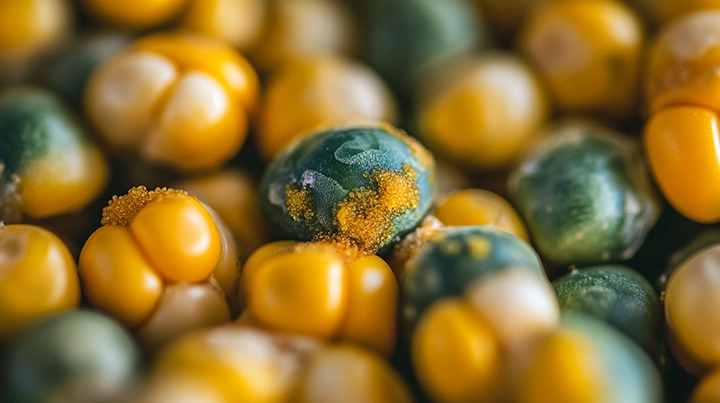
What I find most thrilling about this story is its spirit of reinvention. The very organisms we once feared in damp basements or spoiled bread are being invited into the laboratories and factories of tomorrow. Mold, once a symbol of decay, is becoming a symbol of design—nature’s own engineer, architect, and alchemist.
In these fungal-led microbial teams, I see the hopeful future of manufacturing: one that values collaboration, cleverness, and sustainability over the “use and discard” mentality of the past. It’s proof that with imagination—and a little mycology—we can turn yesterday’s waste into tomorrow’s wealth.
So next time you see a patch of mold or a fallen stalk in a field, remember: the future might just be growing there, quietly, waiting for us to notice.
References
Academic Sources
- Linder, M. B., et al. (2023). Fungal–bacterial consortia for lignocellulose bioconversion. Biotechnology for Biofuels and Bioproducts.
- Himmel, M. E., et al. (2007). Biomass recalcitrance: engineering plants and enzymes for biofuels production. Science, 315(5813), 804–807. https://doi.org/10.1126/science.1137016
Official / Institutional Sources
- International Energy Agency (IEA). Bioenergy and biorefineries overview.
- Food and Agriculture Organization of the United Nations (FAO). Agricultural residues and bioeconomy.