A New Kind of Workforce Beyond Earth
Can microbes replace machines in space exploration and mining?
For decades, space exploration has been defined by machines. Rockets, drills, and robotic systems have shaped how humans imagine building beyond Earth.
But a new approach is emerging. Researchers are exploring whether microbes—especially fungi and bacteria—can perform tasks traditionally handled by heavy machinery.
Instead of transporting large, energy-intensive equipment into space, future missions may deploy microscopic organisms capable of growing, adapting, and operating autonomously in extreme environments.
This shift represents more than a technological upgrade. It redefines the concept of a tool, moving from mechanical systems to living processes.


Biomining in Space
What is biomining and how could it work beyond Earth?
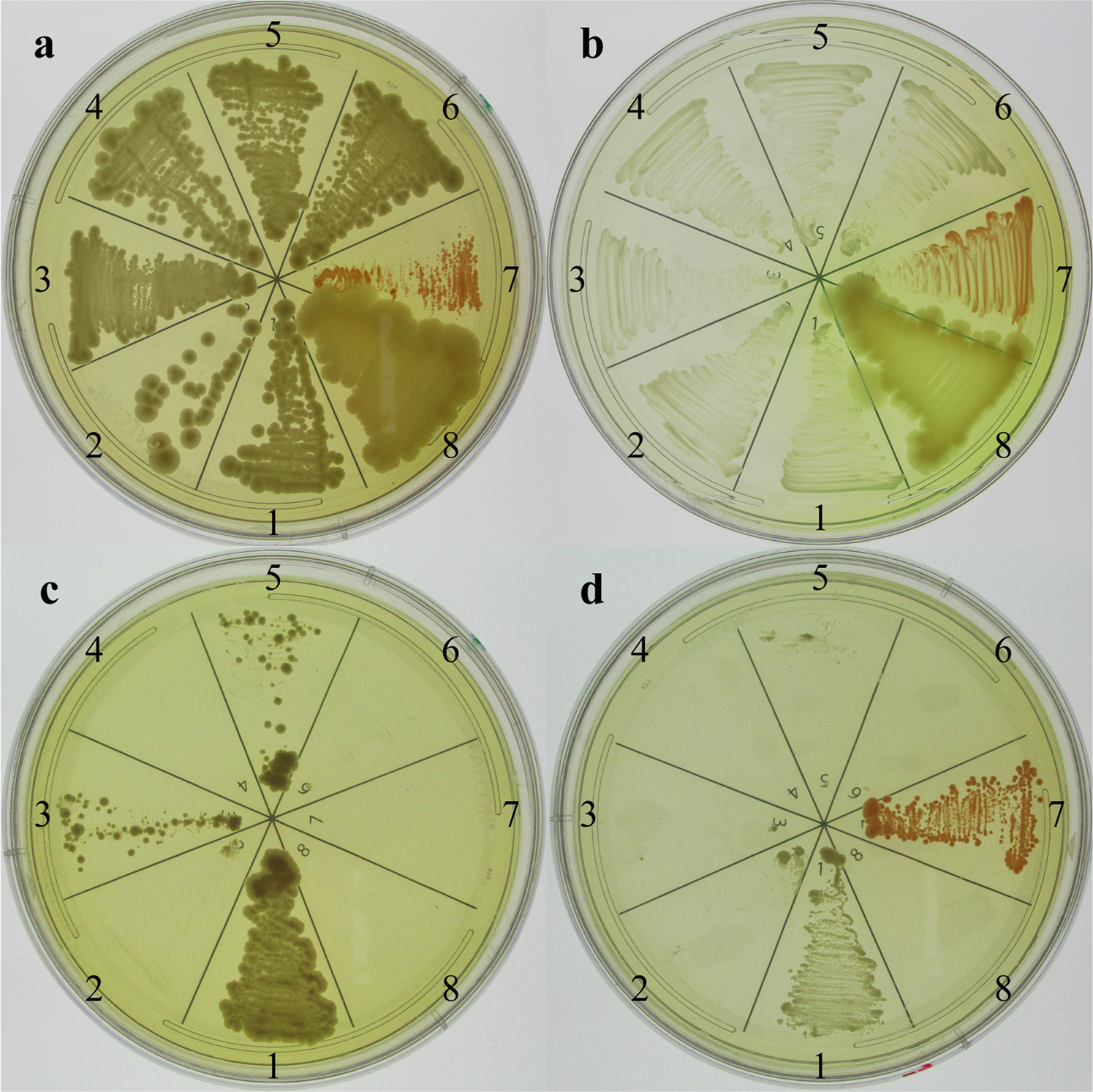
Biomining is a process in which microorganisms extract metals from rock using biological activity.
On Earth, certain microbes produce acids and enzymes that dissolve minerals, releasing valuable elements such as copper, gold, and rare earth metals. This method is already used in mining operations where conventional extraction is difficult or energy-intensive.
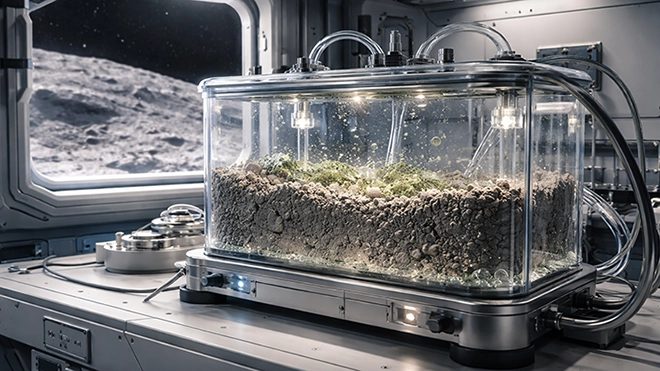
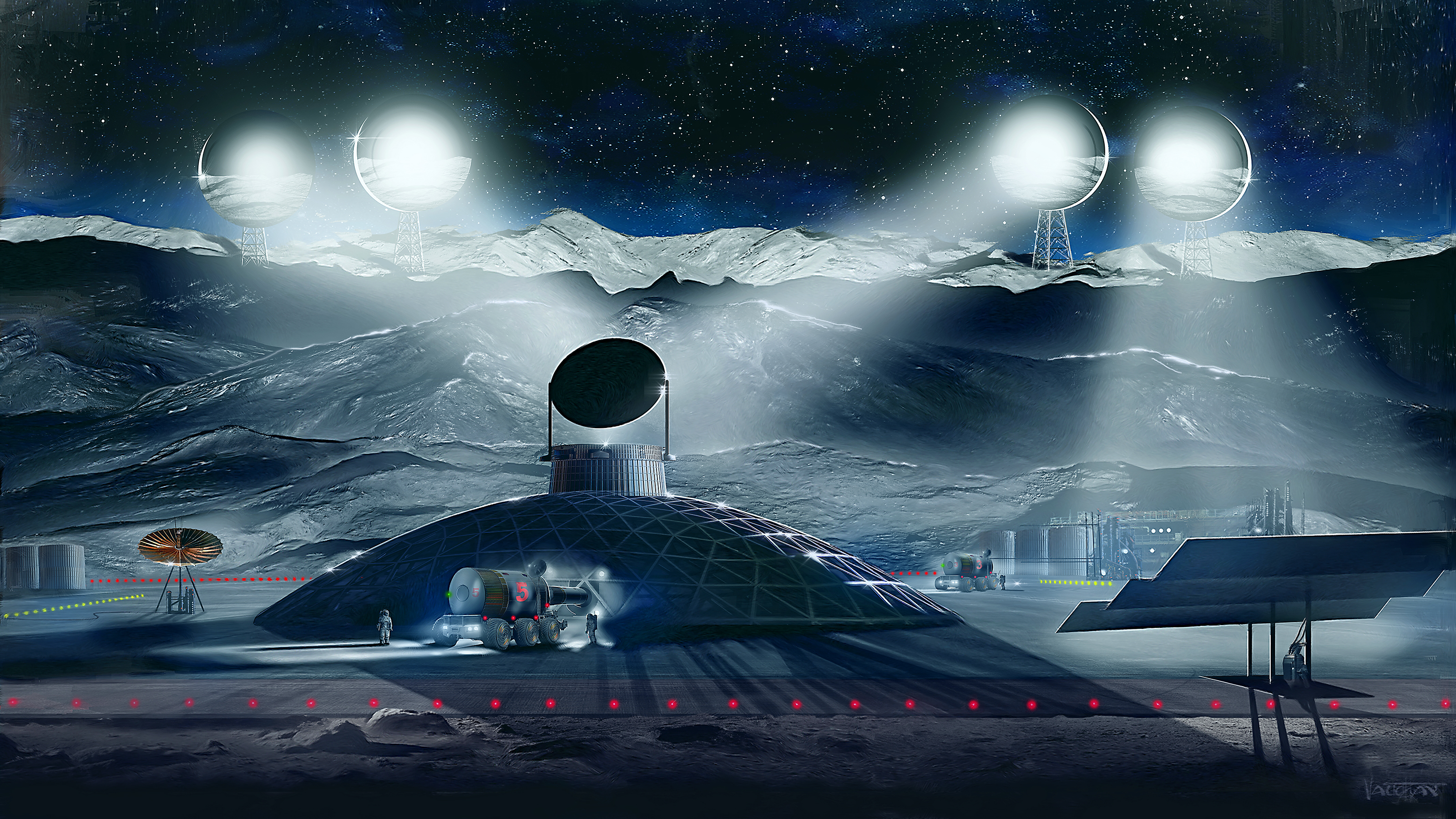
In space, the same principle could be applied to materials such as lunar regolith, Martian soil, and asteroid rock. Instead of drilling and crushing, microbes would chemically break down these materials, gradually releasing usable resources.
Although biomining is slower than mechanical extraction, it offers advantages in space where efficiency is measured not only by speed but also by weight, energy consumption, and sustainability.


Why Fungi Thrive Where Machines Struggle
What advantages do fungi offer in extreme space environments?
Microbial systems, particularly fungi, have characteristics that align closely with the challenges of space.
They are extremely lightweight, meaning a small biological culture can replace large amounts of equipment. Once deployed, these organisms can replicate, reducing the need for resupply missions.
They are also energy-efficient. Unlike machines that require constant external power, microbes operate through metabolic processes that often require minimal energy input.
Fungi are highly resilient. Some species have demonstrated the ability to survive radiation, extreme temperature fluctuations, desiccation, and nutrient scarcity. Experiments conducted on the International Space Station have shown that certain fungi can even adapt to microgravity conditions.
In environments where mechanical systems may degrade, biological systems may continue to function.


Beyond Mining
How could microbes support construction and life in space?
The potential applications of microbes extend well beyond resource extraction.
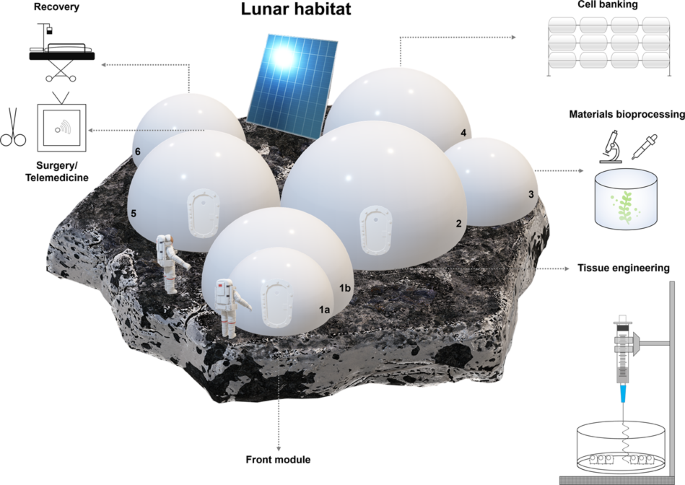
In material processing, microbes could refine raw materials into usable metals or chemical building blocks. In construction, fungal mycelium could bind local regolith into composite materials, allowing structures to be grown rather than assembled.
Microbial systems could also support life in space habitats. They may be used to recycle waste, produce nutrients, and maintain closed-loop ecological systems essential for long-term missions.
These capabilities suggest the emergence of a biological infrastructure layer in space, where living systems support and sustain human activity.


The Rise of Bio-Integrated Engineering
Why are scientists shifting from mechanical to biological systems?
The use of microbes in space reflects a broader shift in engineering philosophy.
Traditional engineering relies on rigid, controlled systems that operate independently of natural processes. Biological engineering takes a different approach, integrating living systems that grow, adapt, and self-repair.
Fungi exemplify this model. Their mycelium networks can bind materials, interact chemically with their environment, and form complex structures without machining.
In unpredictable environments such as space, this adaptability may offer advantages over purely mechanical solutions.
Efficiency Beyond Earth
Why are microbes more sustainable than machines in space missions?
Launching materials into space is extremely expensive and energy-intensive. Every kilogram matters.
Microbial systems reduce this burden by minimizing payload weight and enabling in-situ resource utilization. Instead of transporting all necessary materials from Earth, missions can rely on local resources processed by microbes.
This approach reduces energy consumption, lowers mission costs, and supports long-term sustainability in space exploration.

MoldNewsHub Takeaway
Could living systems become the foundation of future space industries?
Microbes, particularly fungi, offer a new paradigm for space exploration. They combine low mass, energy efficiency, adaptability, and self-replication into a single system.
Rather than replacing machines entirely, they may complement or even outperform them in specific tasks such as resource extraction, material production, and environmental management.
As space missions become longer and more complex, living systems may form the backbone of sustainable off-Earth infrastructure.
The future of space industry may not be built entirely from metal. It may be grown.
❓ FAQ
What is biomining?
Biomining is a process where microorganisms extract metals from rock using chemical reactions. It is already used on Earth and could be adapted for space environments.
Why are fungi suitable for space applications?
Fungi are lightweight, energy-efficient, and highly resilient. They can survive extreme conditions and adapt to environments such as microgravity.
Can microbes replace machines in space?
Not entirely, but they can complement or replace machines in certain tasks, especially where weight, energy efficiency, and sustainability are critical.
What materials can microbes extract in space?
Microbes could potentially extract metals from lunar soil, Martian regolith, and asteroid materials.
How could microbes support life in space habitats?
They can recycle waste, produce nutrients, and help maintain closed ecological systems, making them essential for long-term missions.
References
Academic Sources
Johnson, D. B. (2014). Biomining—biotechnologies for extracting and recovering metals from ores and waste materials. Current Opinion in Biotechnology.
Cockell, C. S., et al. (2020). Space station biomining experiment demonstrates rare earth element extraction in microgravity. Nature Communications. https://doi.org/10.1038/s41467-020-19276-w
Adamatzky, A. (2018). Fungal architecture: Mycelium-based bioengineering. BioSystems. https://doi.org/10.1016/j.biosystems.2018.01.004
Official Sources
NASA – In-Situ Resource Utilization: https://www.nasa.gov/isru
European Space Agency (ESA) – Biomining in Space: https://www.esa.int