Fusarium on the Move: Warming Climates, Widening Risks
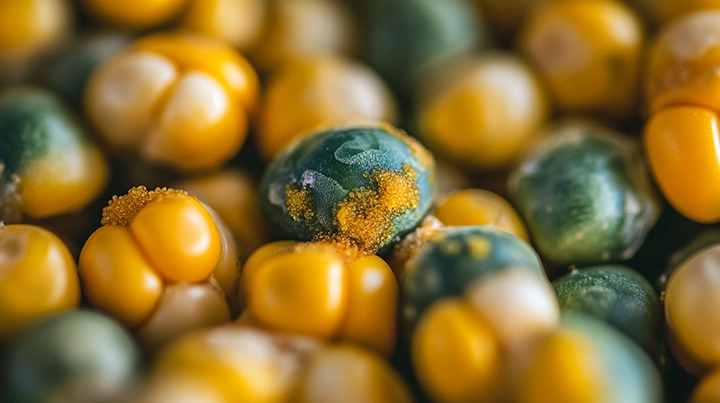
Across the globe, an invisible shift is underway in the soil and air above our grain fields. What was once a threat lurking in the tropics is now inching northward—quietly, steadily, and with the potential to reshape the map of food safety. A new modeling study, just published in Frontiers in Forests and Global Change, signals a warning: as global temperatures rise, Fusarium proliferatum, a notorious mycotoxin-producing fungus, is primed to invade new agricultural frontiers. The consequences, if left unchecked, could stretch from lost harvests to public health emergencies.

The Fungus Behind the Fumonisins
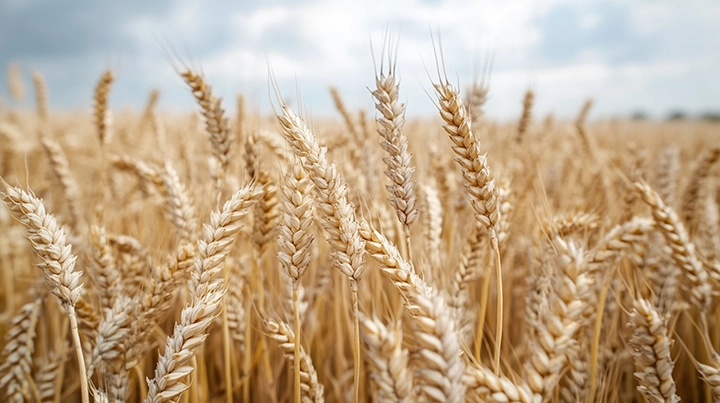
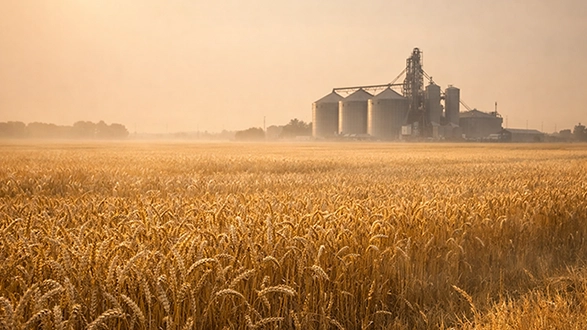
For decades, F. proliferatum has been a household name among plant pathologists and food safety officials in warmer climates. Its calling card? Fumonisins—potent mycotoxins linked to esophageal cancer, birth defects, immune system suppression, and severe toxicity in livestock. The fungus infects corn, rice, wheat, and other grains, leaving behind toxins that remain undetectable to the naked eye but are deeply hazardous. Until now, the worst impacts were largely confined to tropical and subtropical regions, but as the climate shifts, so too does the boundary of this fungal menace.


Mapping the Mold: The Power of MaxEnt Modeling
The team behind this new research leveraged the MaxEnt algorithm—a powerful species distribution modeling tool—to forecast where F. proliferatum is most likely to thrive in coming decades. Drawing on a rich trove of global occurrence data, temperature records, and projected climate scenarios (both moderate and high emissions), the researchers mapped not just the current “hot zones” for this fungus, but its likely new strongholds by 2050 and 2070.
Their verdict is clear: temperature is king. Mean annual temperature and temperature seasonality were the top predictors of fungal suitability. As higher latitudes become warmer and more seasonally stable, regions that were once considered safe from Fusarium are turning into prime habitat.

A Northward and Eastward March: Who’s at Risk?
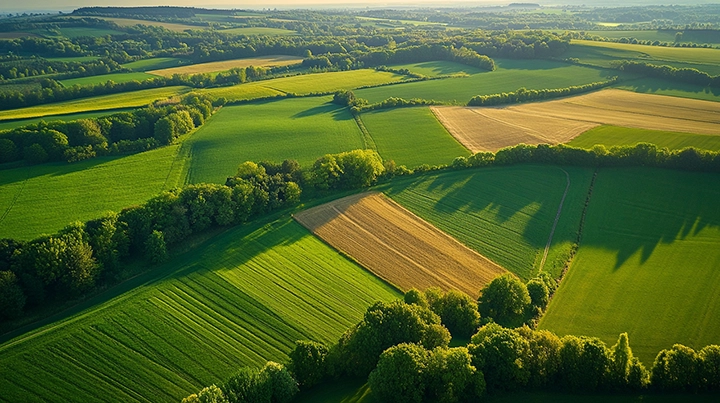
The model’s projections make for sobering reading. Under a high-emissions future, vast swathes of Northern Europe, the northern United States and eastern Canada, northern China, Korea, Japan, and even parts of Central Asia and eastern Russia could see rapid expansion of F. proliferatum. Many of these regions have limited history with this fungus and minimal mycotoxin monitoring infrastructure—leaving farmers, regulators, and consumers dangerously unprepared.
In these new territories, the risk is not always visible. The fungus can infect crops with few symptoms, yet still leave behind unsafe levels of fumonisins—making harvested grain unfit for export, processing, or even local consumption.

From Climate Change to Contaminated Crops
The threat here is not theoretical. As F. proliferatum marches into new fields, farmers face a cascade of risks:
Economic losses from downgraded or outright rejected crops;
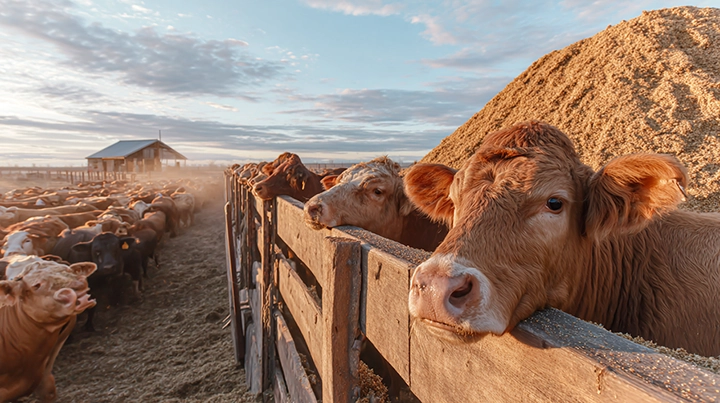
Heightened public health concerns as fumonisin-tainted grains make their way into food and animal feed;
Regulatory confusion as safety standards lag behind reality;
Strained food systems already grappling with climate instability, pests, and water stress.
What was once a seasonal or regional risk may soon become a persistent, year-round challenge for global agriculture.
Rising to the Challenge: What Needs to Be Done?
The study’s authors sound a clear call to action. To prepare for this fungal future, at-risk regions must:
Expand mycotoxin testing into areas previously considered safe;
Train agronomists and regulators to recognize and manage Fusarium threats;
Update insurance and trade policies to reflect emerging mycotoxin risks;
Leverage modeling tools like MaxEnt to incorporate climate-driven fungal forecasts into food safety planning.
This is not just about research; it’s about proactive adaptation across the supply chain, from field to silo to supermarket shelf.
Beyond the Tropics: The Globalization of Mycotoxin Risk
Perhaps the most striking message is this: the era of “tropical-only” mycotoxins is over. As climates warm, the biological rules governing where and when fungi thrive are being rewritten. F. proliferatum and its mycotoxins are becoming borderless threats, ready to challenge farmers and food safety authorities from Manitoba to Moscow.
Indoor and storage molds follow similar rules. Aspergillus flavus (another fumonisin producer), Penicillium verrucosum, Stachybotrys chartarum, Cladosporium cladosporioides, and Alternaria alternata all adapt and expand with changing climates. Understanding this broader mold ecology is crucial for holistic risk management.

Teslo’s Reflection: Forecasting, Not Fearmongering
While the scenario painted by this study is concerning, it’s not cause for panic—it’s a call for preparedness. The same climate data and modeling tools that forecast fungal risk can empower farmers, industry, and policymakers to get ahead of the curve. With forward-thinking monitoring, targeted interventions, and updated regulations, the silent spread of F. proliferatum can be contained and controlled.
MoldNewsHub will continue to track these climate-driven shifts—because understanding the fungal frontier is the first step to defending our food and our future.
References
Academic Sources
- Tagyan, A. I., et al. (2025). Estimating the climate change-driven global distribution of Fusarium proliferatum and mycotoxin risk assessment under future warming scenarios. Frontiers in Forests and Global Change. https://doi.org/10.3389/ffgc.2025.1673494
- Lumsangkul, C., et al. (2019). Developmental Toxicity of Mycotoxin Fumonisin B1 in Animal Embryogenesis: An Overview. Toxins, 11(2), 114. https://doi.org/10.3390/toxins11020114
- Kamle, M., et al. (2019). Fumonisins: Impact on Agriculture, Food, and Human Health. Toxins, 11(6), 328. https://doi.org/10.3390/toxins11060328
Official Sources
- IARC (WHO). (2002). Fumonisin B1 — IARC Monographs (Exposure Data).
https://publications.iarc.who.int/_publications/media/download/2632/437a20b5643bc964e2047fdbc341624a12ead66a.pdf - IARC (WHO). (2016). Mycotoxins and human health.
https://publications.iarc.who.int/_publications/media/download/1376/cbd1bbd5beca0e8453759290072217258a92aa95.pdf