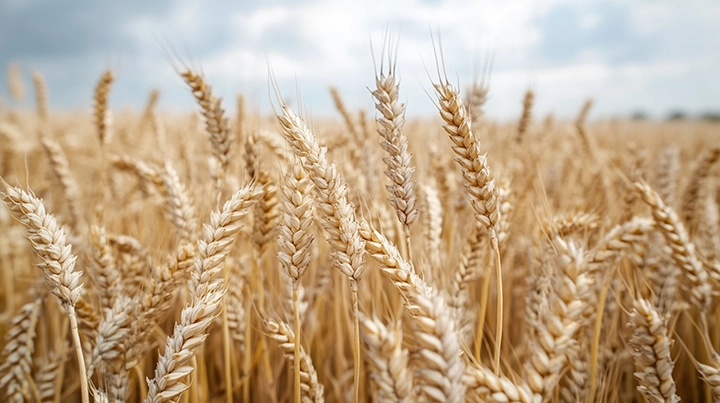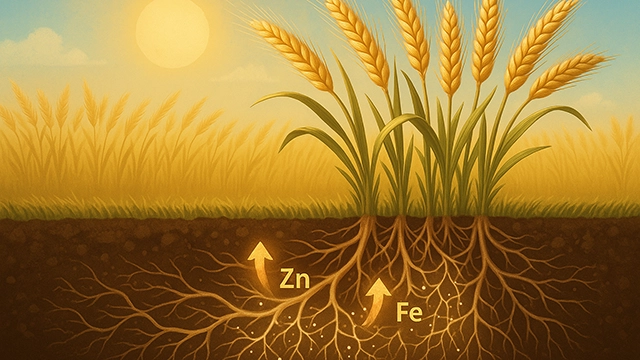
In the golden wheat fields of Australia, a quiet revolution is underway. Researchers have uncovered a biological ally that could shift the tide in the global fight against malnutrition: a humble soil-dwelling fungus known as arbuscular mycorrhizal fungi (AMF). Long known for enhancing plant growth, AMF is now revealing a deeper role—enhancing not just the size of crops, but their nutritional power.
Beyond Bigger Grains: Bioavailability Is the Game-Changer
A recent study tested eight widely cultivated wheat varieties, comparing those partnered with AMF to untreated controls. The outcomes were striking: grains from AMF-treated plants were not only larger but also contained significantly more zinc and iron. But the real breakthrough? These minerals were in bioavailable forms—the kind human bodies can absorb and use.
In the realm of nutrition, that distinction matters. Many efforts to enrich foods with micronutrients fall short when phytic acid, a natural compound in plants, locks minerals away from human digestion. This study found that in AMF-treated wheat, there was no spike in phytic acid—and in high-phosphorus soils, levels of this antinutrient even dropped. That means more nutrition, not just on paper, but in people.

A Biological Route to Better Nutrition
This isn’t just academic progress. It’s a game-changer for biofortification—the effort to enhance the nutrient content of crops. Traditional strategies rely on plant breeding or synthetic fertilizers, often with limited reach in low-income regions. AMF offers a low-input, scalable biological strategy that works in harmony with plant roots.
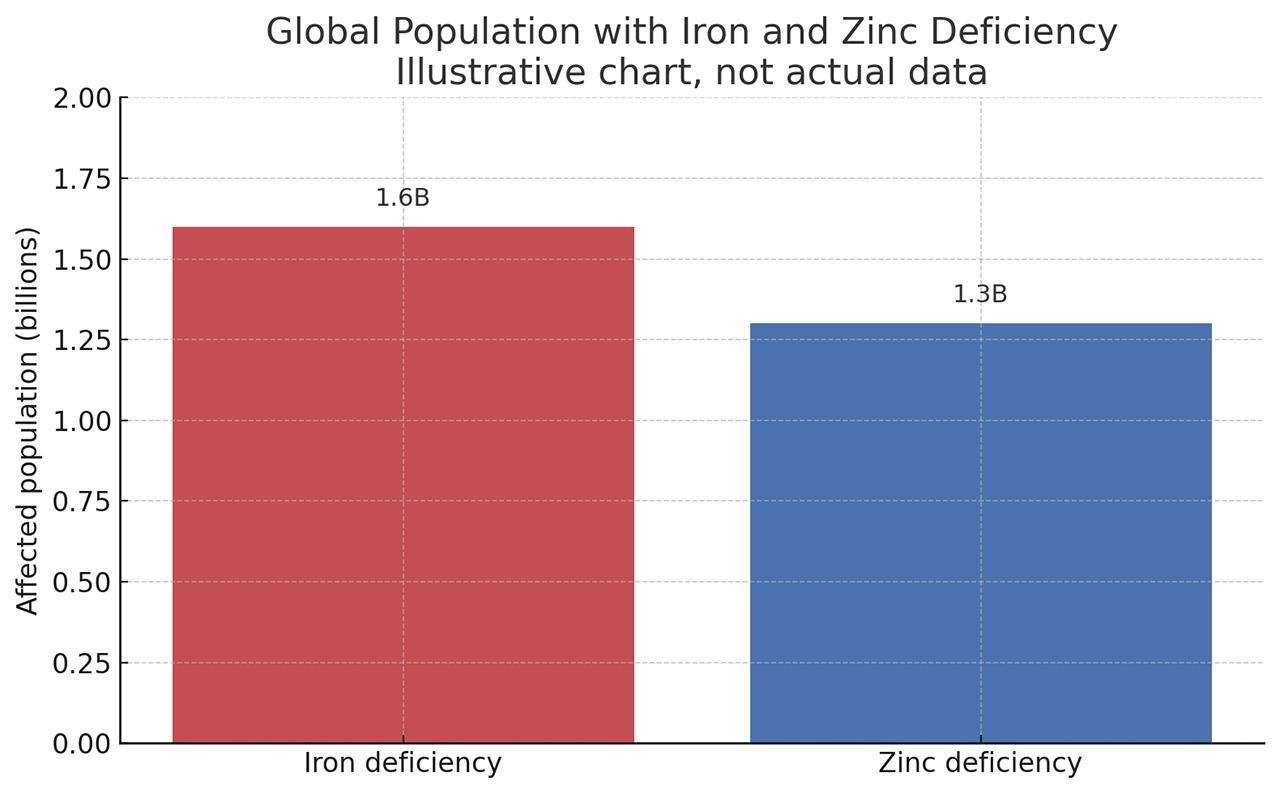
And it couldn’t come at a more urgent time. According to WHO, over 2 billion people globally suffer from iron or zinc deficiency, leading to stunted growth, weakened immunity, and reduced cognitive development. If a naturally occurring fungus can significantly boost essential mineral levels in a staple crop like wheat, that’s not just a scientific win—it’s a humanitarian one.
A Fungal Fix for Sustainable Farming
AMF doesn’t just help wheat. Its potential spans a wide range of crops, from rice to maize to legumes. And because it operates at the root-soil interface, AMF-based solutions dovetail beautifully with sustainable agriculture.
Unlike chemical fertilizers, which often degrade soil health over time, AMF supports long-term fertility by creating symbiotic networks that share resources and improve resilience.
It’s also responsive to soil conditions. The study noted that AMF effects were especially powerful in high-phosphorus soils—a common legacy of intensive agriculture. In those environments, not only did mineral content improve, but the grains became more usable by the body, offering a dual benefit for nutrition and soil restoration.
Next Steps: Scaling the Underground Revolution
What comes next is critical. Researchers aim to test more AMF strains, soil conditions, and crop types. How does this fungal partnership behave under drought? Can it reduce the need for mineral supplementation? Could AMF become part of a national or international biofortification policy?
Policymakers and global health agencies should be paying attention. A microscopic fungus may be one of the most elegant tools in our nutritional toolbox—a living bridge between healthy soils and healthy people.
In a world facing intersecting crises of hunger, soil degradation, and climate change, AMF invites us to rethink agriculture not as a top-down imposition of inputs, but as a bottom-up system powered by relationships. And perhaps, the solutions to malnutrition have been right beneath our feet all along.
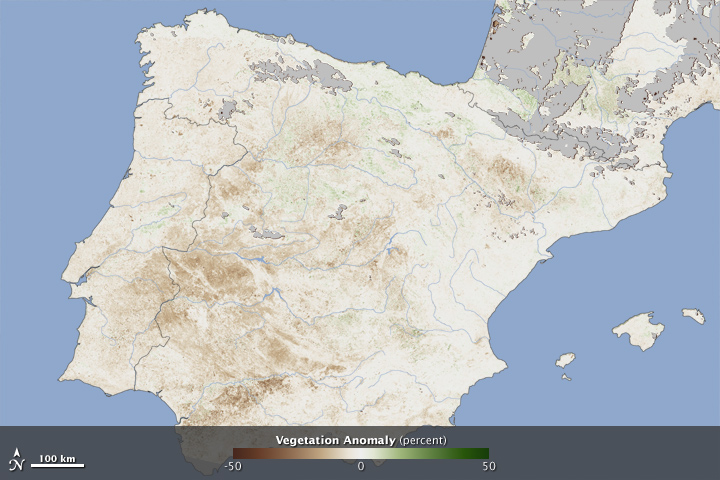
Source: World wheat production map – Wikimedia Commons, CC BY-SA 4.0
References
- WHO. Malnutrition Factsheet. WHO.int
- FAO. Sustainable agriculture. FAO.org
- PubMed. Mycorrhiza and crop nutrition studies. PubMed.gov
- Wikipedia. Arbuscular mycorrhiza, Phytic acid, Biofortification, Wheat, Rice, Maize