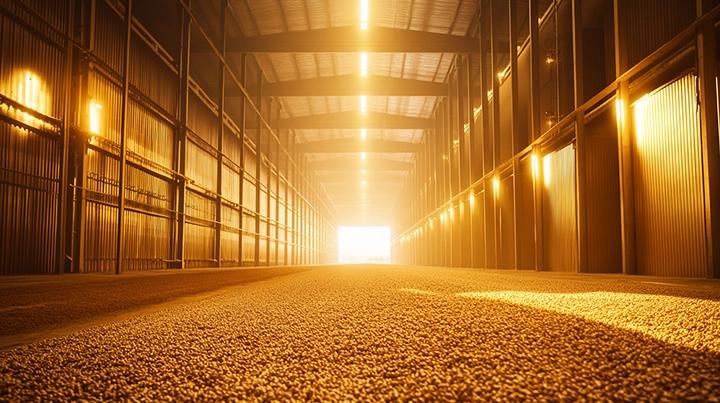
Cocoa: it conjures visions of luxury, celebration, comfort food. But before those beans transform into chocolate bars, they face a far less glamorous reality — months languishing in hot, humid storage rooms, where fungi lurk and spoilage is an ever-present threat. For millions of tropical farmers and the entire chocolate supply chain, the battle against storage mold is as high-stakes as the crop itself.
A new study, just published in 2025, brings hard data to a solution that’s been gaining traction across food storage industries: hermetic storage. Think “lockdown for beans” — airtight, sealed containers where the air itself becomes a weapon against mold. Researchers put this to the test with cocoa beans of two very different starting points: high-quality (HQ) beans, virtually pristine at harvest, and low-quality (LQ) beans, already loaded with microbes.

The Storage Experiment: Classic vs. Cutting-Edge
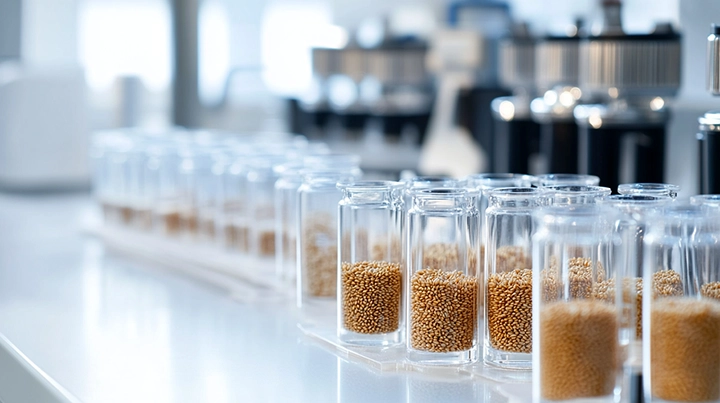
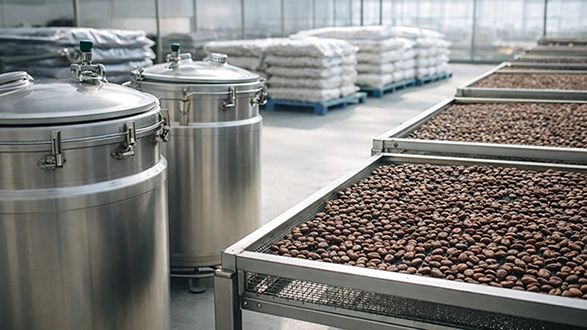
For ten weeks, both HQ and LQ cocoa beans were stored in two ways. In one corner, the old standard: jute sacks, open to the ambient air, letting in tropical humidity and whatever spores happen to be floating by. In the other, hermetic units — sealed, low-oxygen, stable moisture, a hostile environment for fungi and many bacteria.
What happened inside those containers was a lesson in practical mycology.


Low-Quality (LQ) Beans:
Stored in hermetic conditions, these beans did see a sharp drop in aerobic microbes (from 6.3 to about 5.0 log₁₀ CFU/g) and yeasts/molds (from 5.3 to 2.2 log₁₀ CFU/g). But here’s the catch: those levels were still too high to be considered “safe.” The message is clear — if you start dirty, even perfect storage can’t fix the problem. Hermetic conditions can slow the spoilage, but not eliminate risk.
High-Quality (HQ) Beans:
Here’s where the magic happens. HQ beans kept in hermetic storage maintained low aerobic counts (about 2.7–3.1 log₁₀ CFU/g) and, crucially, no significant mold growth. These beans remained within safe limits, preserving both value and food safety.


Unlocking the Chemistry of Cocoa
One of the study’s surprises came from chemical analysis. Hermetically stored HQ beans gained up to 34% more extractable phenolic content (EPC) — natural antioxidant compounds tied to cocoa’s flavor, shelf life, and health benefits. Conventional storage, by contrast, saw EPC drop as oxidation and microbial activity chewed away at these protective molecules.
Why does this matter? Phenolic compounds may help beans resist further mold colonization and oxidative spoilage, acting as a biochemical shield that’s reinforced, not depleted, by airtight storage.

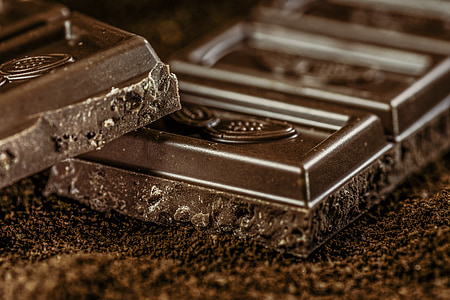
Why Mold Still Matters in the Age of Chocolate
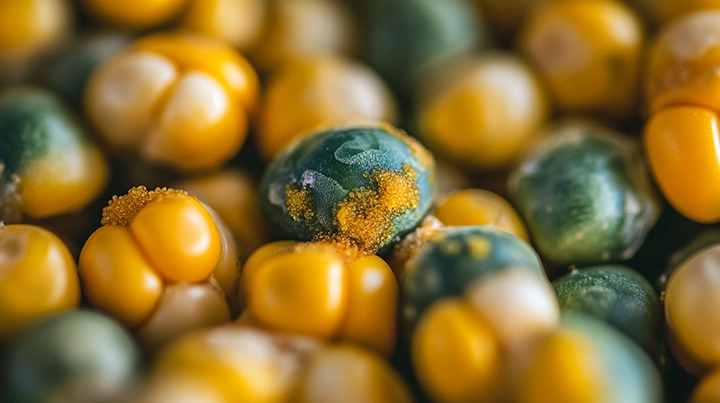
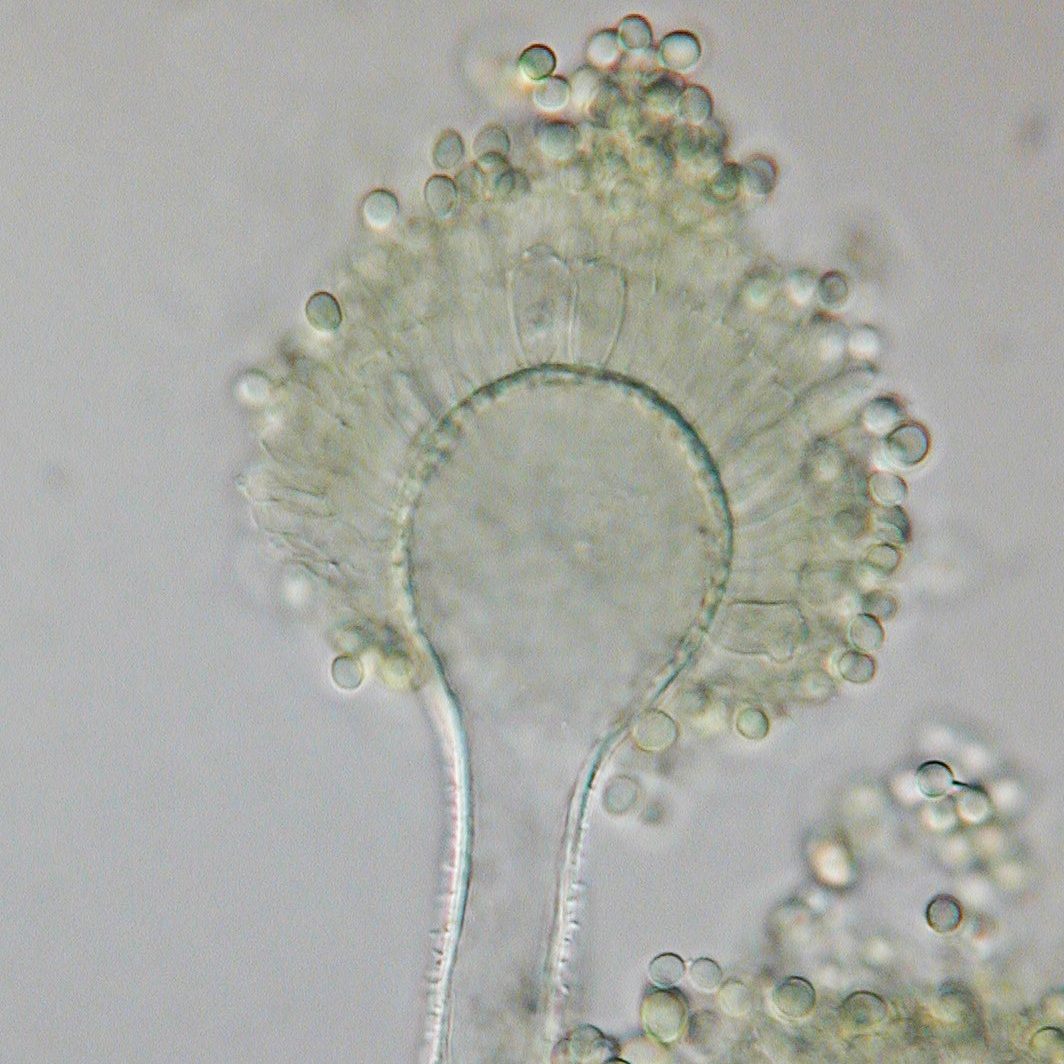
Fungal contamination isn’t just about bad flavor or lost profit — it’s a food safety issue. Classic storage fungi such as Aspergillus flavus (a mycotoxin risk), Penicillium, Cladosporium, and Rhizopus thrive in warm, damp environments. Jute sacks breathe and absorb moisture, often creating mini-greenhouses for these molds. Hermetic containers flip the script, lowering oxygen, raising CO₂, and keeping moisture stable — all things most fungi hate.
But hermetic storage is not a panacea. If beans are heavily contaminated at the start, fungi may still survive and even reproduce, albeit at slower rates. That’s why post-harvest sanitation and careful selection before storage are just as important as the latest container tech.

Rethinking Supply Chains and Global Quality
For chocolate makers, traders, and food safety regulators, this research underscores two truths. First, prevention is more effective (and cheaper) than remediation — once contamination takes hold, it’s a race against time and chemistry. Second, new storage technologies like hermetic systems don’t just protect quality; they actively enhance it by preserving health-boosting phenolics and lowering spoilage risk.
This could reshape how cocoa moves from farm to factory in the coming years, especially as climate change brings more heat and humidity — ideal conditions for fungal proliferation.
Bottom Line for the Cocoa World
The next time you savor a chocolate bar, remember: it’s the unseen battles in tropical storage rooms, between mold and microbe, that set the stage for flavor, safety, and sustainability. With the adoption of hermetic storage — and the discipline to start with clean beans — we may be entering a new era where cocoa’s journey is just a little less perilous, and a lot more delicious.
References
Academic Sources
- Navarro, S., & Noyes, R. (2019). Hermetic storage technologies for agricultural commodities. Journal of Stored Products Research. DOI: 10.1016/j.jspr.2019.101490
- Afoakwa, E. O. (2014). Cocoa bean processing and phenolic changes during storage. Food Chemistry. DOI: 10.1016/j.foodchem.2013.12.056
Official & Institutional Sources
- Food safety and mycotoxins – World Health Organization (WHO)
- Post-harvest handling guidance – Food and Agriculture Organization (FAO)
- Colony-forming unit definition – https://en.wikipedia.org/wiki/Colony-forming_unit