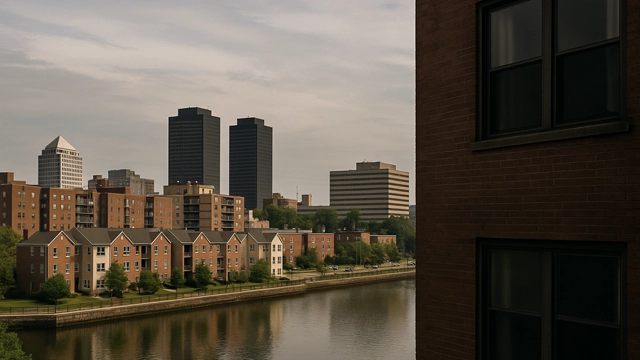

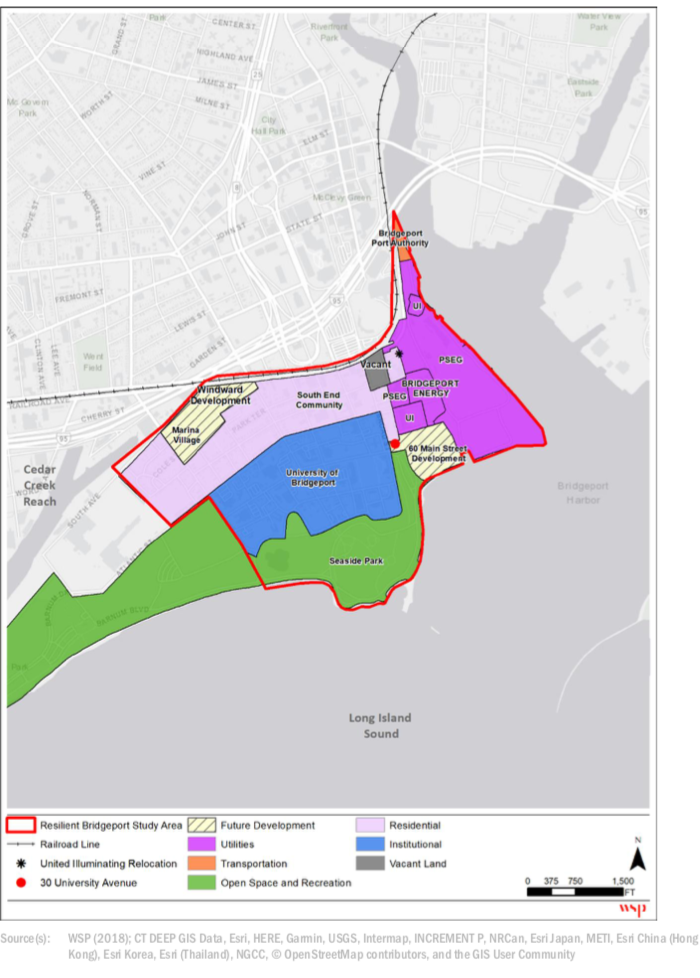
Bridgeport, Connecticut still looks calm from the outside. Its waterfront glints, its neighborhoods hum, its skyline keeps its quiet posture. Yet inside its buildings, a slower and more intimate alarm has begun to rise. It is not the kind that echoes through streets or flashes across weather alerts. It is a quieter threat, one that travels through drywall, carpets, insulation and lungs.
Bridgeport has begun to confront what climate change means for the air people breathe indoors, and mold is the first messenger delivering that truth.
The city’s BGreen sustainability initiative originally set out to prepare for storms, heat and infrastructure strain. But once the assessments unfolded, the city found that the most vulnerable part of its climate future was not its roads or its shoreline, but its indoor environments. Buildings built for yesterday’s climate now struggle to stay dry, breathable and safe. Moisture lingers where it never did before. Heat drives people inside for longer stretches. And in the thin, unventilated seams of daily life, mold takes root.
More frequent storms soak walls from the inside out. Floodwater recedes but its memory stays in the studs. Hot summers turn rooms into stagnant chambers where moisture has nowhere to go. In these new climatic rhythms, mold doesn’t need catastrophe; it only needs time. A closed window, a damp corner, a porous ceiling tile. From there it spreads, quietly but insistently, rewriting indoor air quality in its own signature spores.
Years earlier, during the city’s preparedness workshops, residents described this invisible aftermath: the musty rooms, the harsh chemical smell of cleanup, the chest-tightening humidity that lingered long after storms had passed. It became clear that disasters do not end when the water leaves. They end only when the indoor environment is restored, and mold often outlasts the crisis that enabled it.
Mold as a Climate Signal for Cities

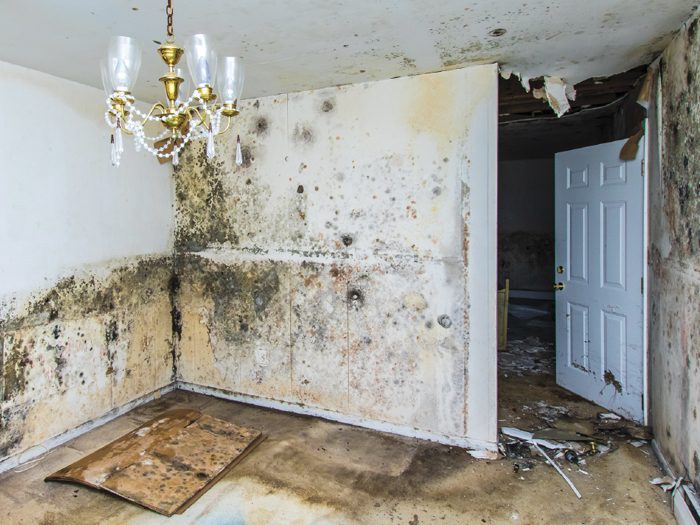
This realization pulled indoor air quality (IAQ) into the heart of BGreen’s strategy. Bridgeport understood that repairing a home is not the same as restoring its breathability. So the city began investing in the places where residents’ lungs spend most of their time. Energy upgrades, insulation improvements, moisture-resistant materials and hazard removalbecame not just environmental work but anti-mold infrastructure.
Especially for low-income households, the Cozy Home Loan program offered a way to reclaim safe air, room by room.
Schools became another frontline. Children inhale more air per body weight than adults, and mold knows how to exploit that vulnerability. Bridgeport introduced IAQ training for school staff and adopted design tools for healthier future buildings, treating classroom air as part of students’ basic learning conditions.
Throughout these efforts, mold remained the quiet antagonist threading everything together. It does not roar or rush in. It settles. It expands. It irritates. It sensitizes. It reshapes the daily health of a community without ever making the evening news. And yet, mold’s presence is one of the clearest indicators of whether a city is truly prepared for climate change.
What Mold Reveals About Climate Resilience
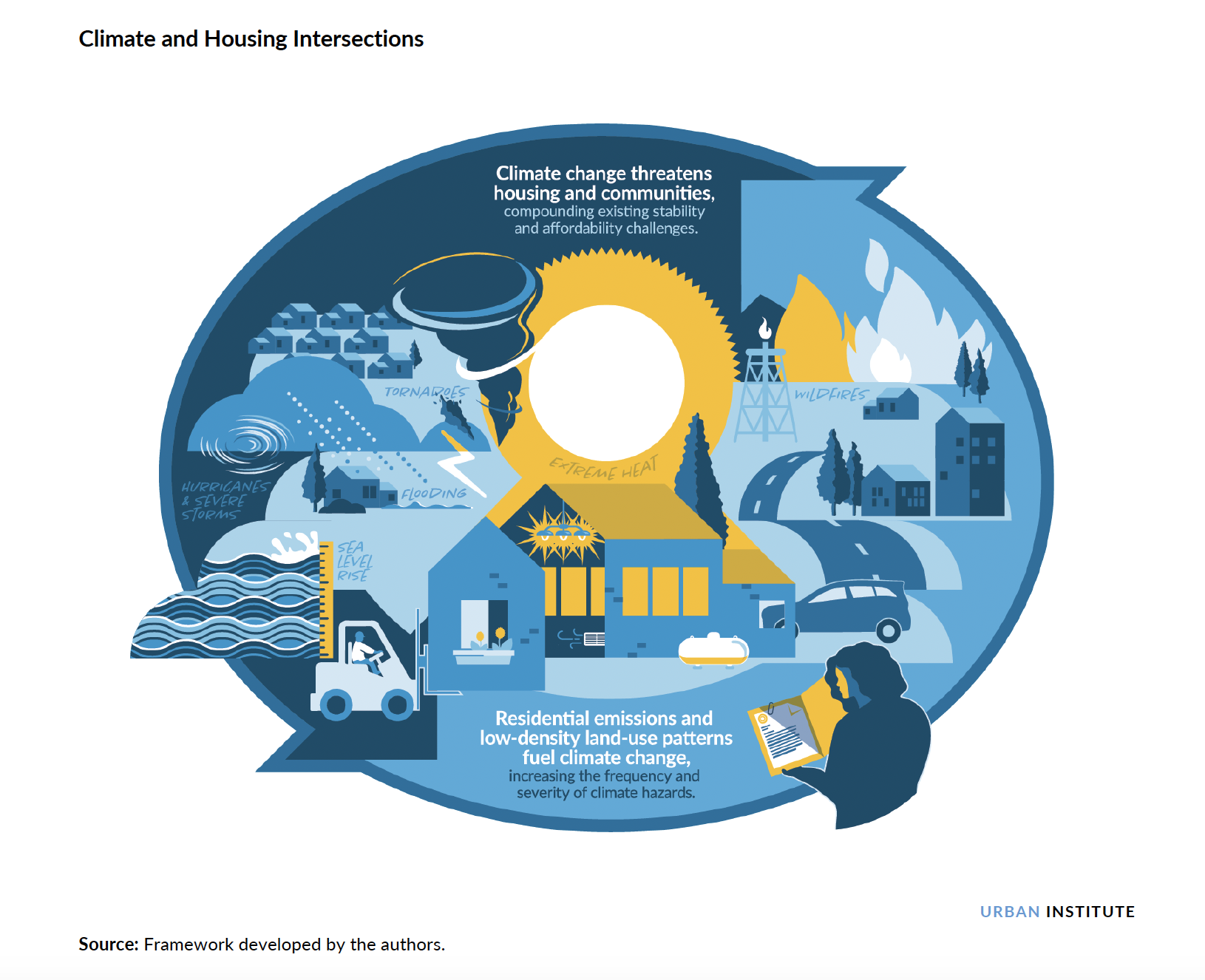

Bridgeport’s response shows that resilience is not only about sea walls or emergency plans. It is also about whether a home can dry after a storm, whether an apartment can breathe during a heatwave, and whether the air inside a school can protect the children who trust it. Mold reveals where climate adaptation is succeeding, and where it is failing.
As weather grows wetter, hotter and more erratic, mold will become a recurring character in the stories cities tell about their future. Bridgeport is one of the first to take that story seriously. Others will follow—whether by choice or by the faint spreading marks on their own interior walls.
References
Academic & Technical
- Mendell MJ et al. Indoor dampness and mold and respiratory health effects. Environmental Health Perspectives.
- Wolkoff P. Indoor air humidity, air quality, and health. International Journal of Hygiene and Environmental Health.
- Arlian LG. Moisture as a critical factor in fungal growth. Journal of Medical Entomology.
Government / Official Sources
- City of Bridgeport — BGreen 2020 Initiative (Sustainability & Climate Preparedness).
- U.S. EPA — Mold & Moisture Guidance
- CDC — Mold, Dampness & Health Effects
Image Sources (CC0 / CC BY / Public Domain)
Images sourced from: Unsplash (CC0), Pixabay (CC0), Wikimedia Commons (CC0/CC BY), Rawpixel (CC0).