According to CAMBRIDGESHIRELIVE
Food waste and safety are perennial concerns for households worldwide. In a recent expert guidance report highlighted by Cambridge News, biomedical scientist Tobias Mapulanga has outlined five common food items that remain safe to consume even after visible mould appears. This advice aims to help consumers reduce unnecessary food waste while maintaining safety, particularly as people increasingly seek clarity on what constitutes genuine risk versus avoidable discard.
Mould growth on foods is often unsightly and can lead to automatic disposal. However, the scientist’s analysis reveals that not all mould appearance correlates with high risk of harmful microbial contamination that causes disease. Distinguishing between foods that can safely be consumed after careful removal of affected parts — and those that must be discarded entirely — helps reduce waste without compromising health.
Experts emphasise that while some foods can tolerate surface fungal growth without significant risk, others — especially soft or highly porous foods — can harbour deeper microbial penetration and mycotoxins (toxic compounds produced by certain fungi), which pose health risks if ingested. Understanding the difference is key to safe food management at home.

Source: Wikimedia Commons, CC BY-SA 3.0
Five Foods That May Be Safe to Eat When Mouldy
According to the guidance highlighted in the report, the following five foods are identified as generally safe to salvage after mould appears — provided visibly mouldy parts are thoroughly removed and the remaining food retains normal texture and smell:
Hard Cheeses
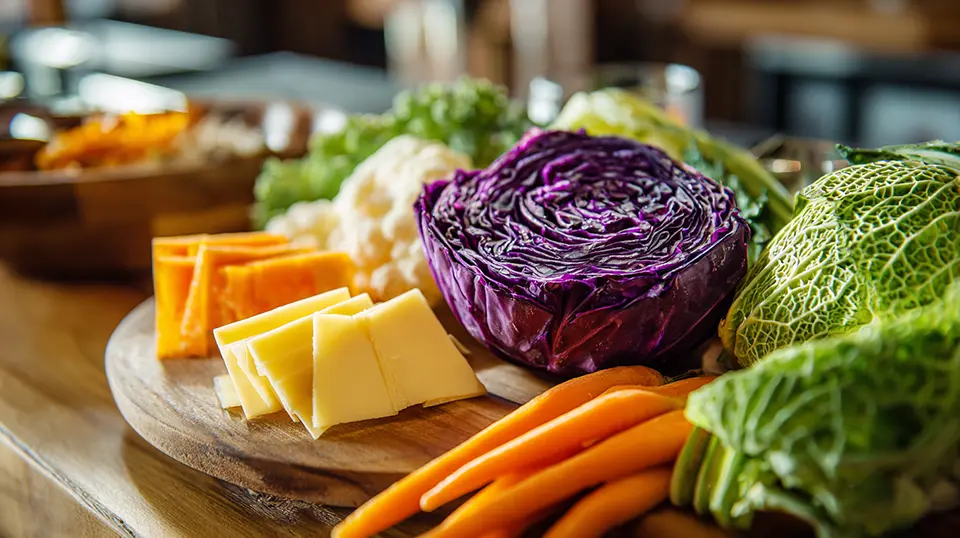
Firm cheeses such as Parmesan, Cheddar or Swiss have dense structures that resist deep fungal penetration. Surface mould can often be cut away, leaving the rest of the cheese unaffected.

Source: Wikimedia Commons, CC BY-SA 3.0
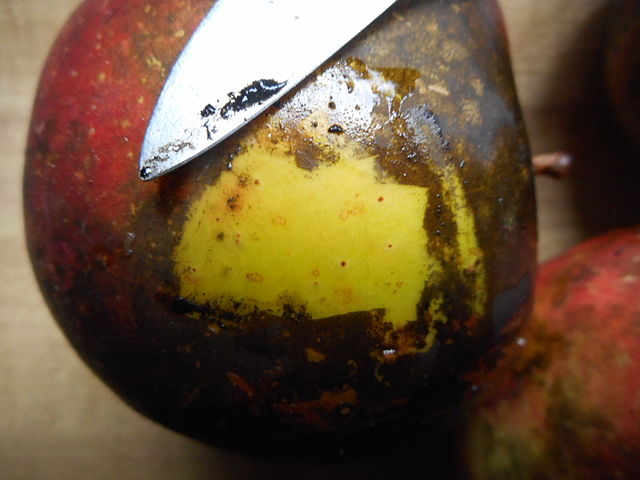
Firm Fruits and Vegetables
Items like carrots, apples and cabbage are structurally dense. If mould is limited to a small area, trimming a generous margin around the spot can yield safe, unaffected portions.
Source: Wikimedia Commons, CC BY-SA 3.0
Whole, Firm Salami and Similar Cured Meats
Dried cured meats have low moisture and high salt, which suppress deeper fungal colonisation. Surface mould can sometimes be cleaned off. However, caution is advised if strong odours or texture changes appear.
Whole, Firm Fruits (e.g., Oranges)
Thick-skinned fruits that develop mould on the surface can often be salvaged by peeling away visibly affected areas.
Why Some Foods Should Never Be Salvaged
In contrast, soft, moist or highly porous foods — such as bread, soft fruits, yoghurts, cooked leftovers or soft cheeses — are prone to deep fungal infiltration. Even if visible mould is localised, fungal hyphae and spores may penetrate throughout, increasing the risk of mycotoxin exposure and foodborne illness. These items are best discarded as soon as mould is detected.
Food safety authorities generally advise that foods with high moisture content and soft structures pose greater risk due to invisible fungal spread and should not be salvaged. This expert distinction is critical for both safety and waste reduction.

Source: Wikimedia Commons, CC BY-SA 3.0
Unpacking the Underlying Science
The presence of mould on food does not automatically make it hazardous. Many species of mould are benign, and visible mycelium indicates surface growth. Yet other fungi — including species in genera such as Aspergillus, Penicillium and Fusarium — can produce toxic secondary metabolites (mycotoxins), particularly in warm, moist environments.
Mycotoxins such as aflatoxin (produced by some Aspergillus species) and ochratoxin A (produced by certain Penicillium species) have well-documented toxicological effects on human health. These compounds can damage the liver, kidneys and immune system when ingested over time. However, the risk depends on fungal species, food type, storage conditions and duration of contamination.
The scientist’s guidance does not suggest complacency; rather, it emphasises contextual risk assessment — when a food’s physical properties and fungal ecology allow surface-limited colonisation, careful removal may be reasonable without significant health hazard. Conversely, foods that allow deeper mycelial spread require disposal.
Public Health Implications
This expert perspective arrives amid growing global concern about food waste. Households and institutions discard large volumes of food each year due to superficial spoilage, often without scientific basis for risk. The clarification on safe versus unsafe mouldy foods could reduce unnecessary waste without endangering health.
Effective communication on this topic also underscores the need for broader education about microbial ecology, food spoilage mechanisms and safety thresholds — especially in contexts where global food security and sustainability are priorities. Nonetheless, public health authorities emphasise that weak immune systems, allergies, and certain health conditions may increase susceptibility to fungal illness, and individuals should exercise caution accordingly.

Source: Wikimedia Commons, CC BY-SA 3.0
References
Bennett, J. W., & Klich, M. (2003). Mycotoxins. Clinical Microbiology Reviews.
World Health Organization (WHO). Mycotoxins.
According to CAMBRIDGESHIRELIVE