When Land Needs Healing, Who Answers the Call?
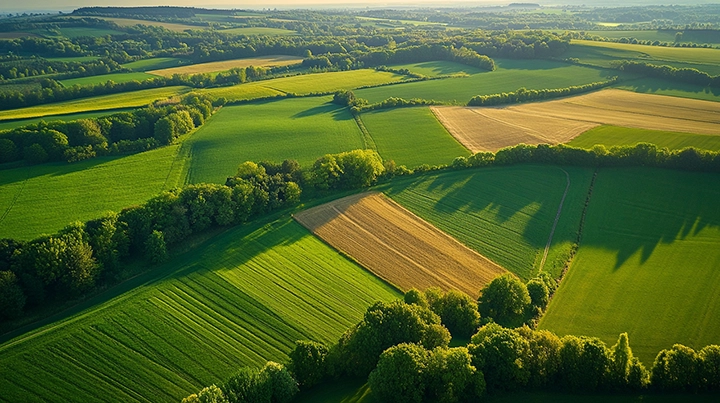
The North China Plain has long been a battleground for food production and ecological health. Over decades, intensive farming, erosion, and abandonment have left swathes of land gasping for recovery. For most of us, the answer to restoration seems obvious: plant new seeds, maybe throw in some mycorrhizal fungi, and let nature do the rest. But beneath the surface, the real heroes of ecosystem revival may not be who you think.
A decade-long study published in Ecological Engineering flips the script on restoration ecology, showing that it’s not the fungi, nor the plants, but the bacteria in the soil that make the biggest difference — at least in the critical first years of recovery. And for anyone invested in sustainable agriculture, climate adaptation, or just the fate of the planet’s living skin, this is a paradigm shift worth understanding.


🦠 Bacteria in the Driver’s Seat
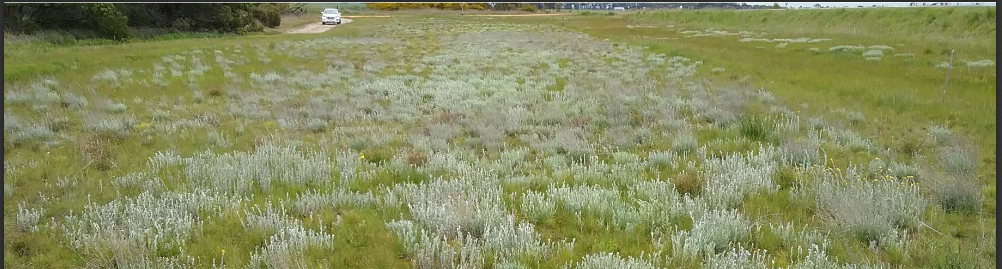
Researchers tracked degraded plots as they were restored using different strategies: some were seeded with alfalfa, some with smooth brome, while others were left to recover naturally. Every year from 2017 to 2021, they measured not just the visible greening of the land, but the pulse of life belowground: plant productivity, soil nutrient cycling, and the diversity of soil microorganisms — bacteria and fungi alike.
What stood out? The ecosystems with the richest bacterial communities didn’t just look better aboveground — they actually functioned better across a range of measures. Nutrient cycling was more efficient, plant growth was more vigorous, and soil health metrics improved most quickly where bacterial diversity was high.
While we often hear about the magical powers of mycorrhizal fungi, this research suggests that, at least in early restoration, bacteria may be the first responders — rapidly multiplying, processing nutrients, and fueling the rebirth of the soil ecosystem.


🍄 Fungi: More Than Just Background Characters
So, does this mean fungi don’t matter? Far from it. The study found that fungal diversity did not directly drive ecosystem multifunctionality (EMF) — but that’s not the end of the story.
Fungi may play a more subtle, long-term role. They’re key for building soil structure, decomposing tough plant material, and forming partnerships with plant roots that persist for years or decades. It’s possible that their contributions simply take longer to become measurable, or that they influence other soil qualities not captured by the EMF metrics used in this study.
In other words: bacteria sprint, fungi endure. Bacteria may ignite the first flush of recovery, but fungi are likely to be essential for stabilizing carbon, maintaining fertility, and building resilience over time.


🧪 Soil Chemistry: The Silent Choreographer
Beneath the drama of microbial succession lies another key player: soil pH. The researchers noted that pH was a powerful indirect driver of ecosystem function, shaping which bacteria and fungi thrived. Acidic or alkaline soils can tip the balance, favoring different microbes and, by extension, different restoration trajectories.
It’s a reminder that ecological recovery is not just about “adding life,” but about creating the right conditions for that life to thrive. Soil chemistry is the silent hand shaping the microbial cast.


🌡️ Why This Matters for Restoration — and for MoldNewsHub Readers
For land managers, farmers, and policymakers, this is more than an academic debate. It means restoration projects need to think beyond seeds and seedlings, and instead foster a microbial ecosystem. Practices like reducing tillage, using compost or biochar, minimizing agrochemical inputs, and encouraging crop diversity may all boost bacterial diversity — giving nature’s microscopic engineers a head start.
For those of us fascinated by fungi (as every MoldNewsHub reader is!), the takeaway isn’t disappointment. It’s a deeper appreciation for the interplay of soil life. Sometimes, fungi are the supporting actors, waiting for their cue as bacteria build the stage. But without both, the play simply doesn’t go on.
And as climate change continues to stress global soils, these lessons are urgent. Robust, diverse microbial communities — with both bacteria and fungi — will be at the heart of future food security, carbon storage, and ecological resilience.


📚 A New Blueprint for Soil Recovery
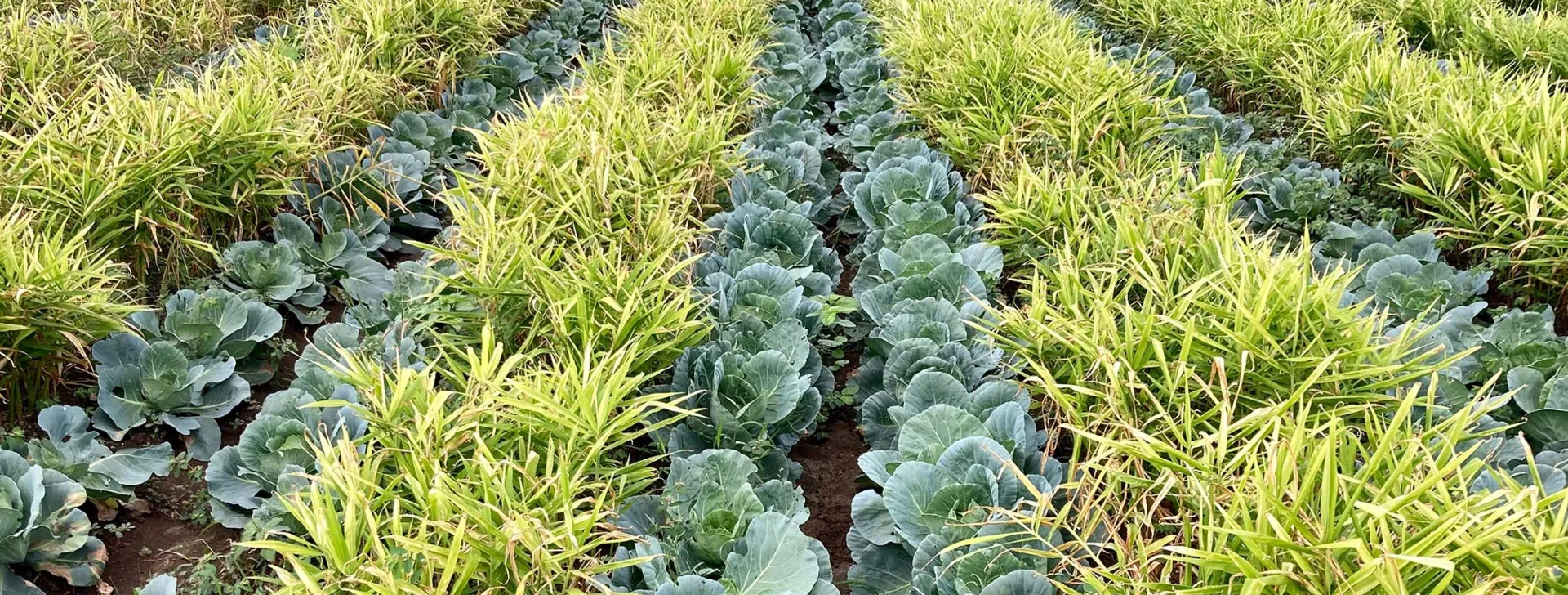
This study suggests a new blueprint for land restoration: start with the conditions that favor a bacterial renaissance to get fast gains in productivity and nutrient cycling. But don’t forget to nurture the fungal web for long-term soil stability, carbon sequestration, and biological diversity. Restoration is a marathon, not a sprint.
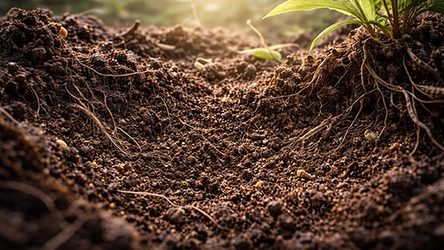
So, next time you see bare, eroded land, don’t just imagine the trees and flowers. Picture the teeming, unseen world below: billions of bacteria getting to work, fungi weaving their networks, and a whole ecosystem being rebuilt from the ground up.
References
Academic Sources
- Delgado-Baquerizo, M., et al. (2016). Microbial diversity drives multifunctionality in terrestrial ecosystems. Nature Communications. DOI: 10.1038/ncomms10541
- Wagg, C., et al. (2014). Soil biodiversity and ecosystem functioning. Proceedings of the National Academy of Sciences. DOI: 10.1073/pnas.1320054111
- Restoration case study: Soil microbes and multifunctionality in degraded lands. Ecological Engineering.
Official & Institutional Sources
- Food and Agriculture Organization (FAO) soil biodiversity overview – https://www.fao.org/soils-portal
- United Nations Environment Programme (UNEP) land restoration resources – https://www.unep.org
- Mycorrhiza overview – https://en.wikipedia.org/wiki/Mycorrhiza