Beneath the Shine: The Hidden World of Fungal Threats in Apples
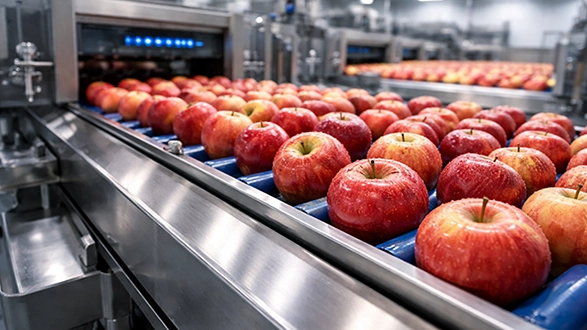
Every year, apples roll off orchards and into cold storage, destined for grocery bins and lunchboxes around the world. Their polished surfaces suggest perfection — but as any grower or packer knows, a battle rages beneath the skin. Even as apples sit in climate-controlled warehouses, an unseen army of fungi may be preparing to spoil, rot, and waste millions in fruit. Until now, most of these fungal infiltrators were invisible to traditional methods. But in Norway, a scientific revolution is underway: DNA metabarcoding is letting us read the hidden “fingerprints” of spoilage before rot ever appears.

The Silent Saboteurs: How Apple Rot Begins
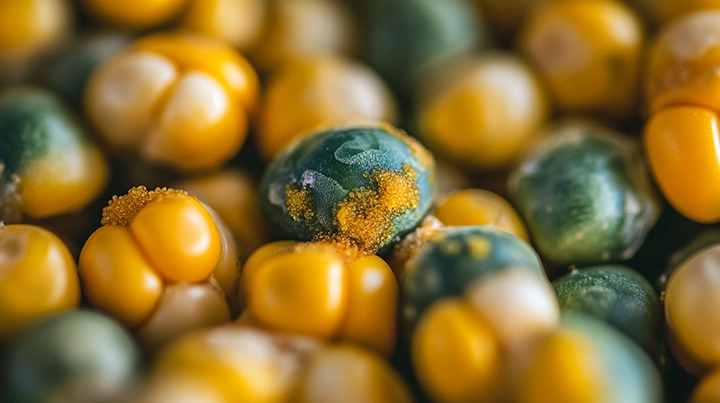
Apple rot is a master of disguise. Infected apples may appear flawless at harvest, only to erupt in moldy ruin after weeks or months in cold storage. The culprits? A diverse mix of fungi: Neofabraea, Penicillium, Botrytis, Colletotrichum, and Alternaria. Many of these are “latent pathogens,” living quietly on or inside the fruit, kept in check by plant defenses — until storage stress tips the balance.
Traditionally, fruit processors have relied on culturing samples from apple skin or the water in sorting machines. But this method is slow, biased, and often misses fungi that are hard to grow or exist in tiny numbers. By the time symptoms appear, the damage is done.

DNA Metabarcoding: The Fungal Early Warning System
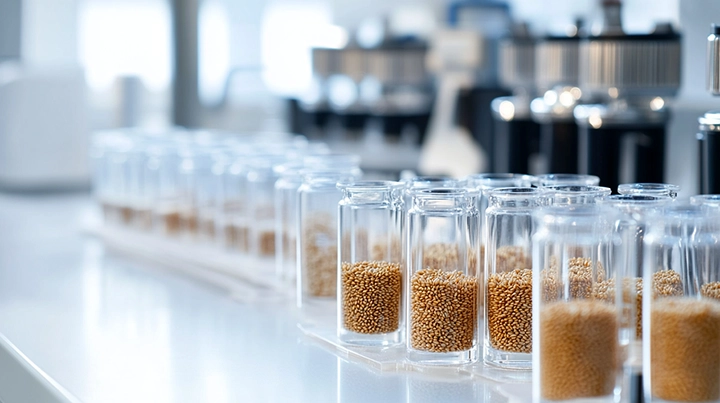
This is where DNA metabarcoding steps in. Using high-throughput sequencing and genetic “barcodes” (short, species-specific DNA regions like the ITS locus), scientists can survey all fungi present in a sample — no culturing required. Researchers at the Norwegian Institute of Bioeconomy Research (NIBIO) have begun sampling the washing water from apple sorters and the peel surfaces of apples, then analyzing these samples for fungal DNA.
The result? A high-resolution snapshot of the entire fungal community, at every stage of the packing process. Dozens of species can be detected from a single water sample. More importantly, the team can track how these communities shift from orchard to cold storage, and how the presence of particular species predicts later rot outbreaks.
This technology is more than a scientific curiosity — it’s an actionable management tool. With metabarcoding, growers can flag “at-risk” apple lots before storage, tweak storage conditions or fungicide applications, and even target equipment sanitation to reduce future losses.

Data, Decisions, and the Fight Against Food Waste
Metabarcoding doesn’t just show us which fungi are present — it helps link fungal fingerprints in the packing line to rot outcomes months later. For the first time, it’s possible to see how orchard practices, harvest timing, storage protocols, and sorting hygiene all interact to shape the rot risk of each batch.
This “microbial surveillance” arms growers and packers with information for targeted interventions, rather than blanket chemical use or reactive culling. With food waste a growing global concern, even a small reduction in storage rot can save money, resources, and lower the environmental footprint of fruit production.

The Broader Impact: DNA Tools for Fungal Foresight
Apple packing lines are just the beginning. The same metabarcoding approach is rapidly being adopted in other sectors: in grain storage facilities, it is used to track mycotoxin-producing molds; in wine grape harvests, it helps flag the presence of Botrytis before it can ruin entire vintages; in leafy green processing, it offers a tool for assessing pre-harvest spoilage risk; and in indoor air quality monitoring, metabarcoding enables real-time surveillance of mold species in public buildings. These advances demonstrate the power of DNA and bioinformatics to revolutionize how we detect, monitor, and ultimately prevent fungal threats. As AI algorithms continue to improve in interpreting this wealth of metabarcoding data, we can look forward to smarter, faster warnings — and, as a result, less food lost to silent spoilage.
This story marks a turning point in food safety and fungal ecology. By peering into the genetic code of the packing line, we are no longer guessing where rot will strike — we are anticipating it, with science as our guide. DNA metabarcoding transforms postharvest fruit management from reactive to proactive, helping the global apple industry fight waste and loss at the molecular level.

References
Academic Sources
- Bösch, Y., et al. (2021). Dynamics of the Apple Fruit Microbiome after Harvest and Implications for Fruit Quality. Microorganisms. https://doi.org/10.3390/microorganisms9020272
- Børve, J. (n.d.). Metabarcoding for detection of fungal apple pathogens in grading water. (Research registration / record).
Official Sources
- Norwegian Institute of Bioeconomy Research (NIBIO). Using metabarcoding to detect rot-causing fungi in apples.