A Silent Shift in the Moldscape

In the vast world of fungi, some species announce themselves loudly with dramatic outbreaks or unmistakable symptoms. Purpureocillium lilacinum is not one of them. It slips quietly through soil, air, and clinical laboratories—slow-growing, often mistaken for a contaminant, and rarely the subject of public alarm. Yet a new analysis from the Centers for Disease Control and Prevention suggests that this unassuming mold is rising in clinical frequency across the United States.
Between 2019 and 2024, surveillance from clinical labs revealed a steady increase in detections of P. lilacinum. Not every culture-positive result indicates active infection, but the consistency of the upward trend signals something meaningful: this mold, once considered largely incidental, is stepping into view.
What makes this shift notable is not a sudden outbreak or dramatic surge, but a slow reshaping of ecological and clinical boundaries. The fungal world is reorganizing itself, and P. lilacinum appears to be one of its quiet climbers.
A Pattern in the Laboratory Shadows


The CDC study reveals several emerging patterns. The fungus is especially common in respiratory specimens and tends to appear in older adults, with a median age of 65 among positive cases. This demographic is particularly vulnerable to respiratory complications, immune dysregulation, and chronic diseases—conditions that make any fungal intruder more consequential.
Geographically, the rise is not isolated. Though detected across the nation, the highest frequencies appear in the South Atlantic and Pacific regions, suggesting that climate, humidity, agricultural practices, or soil ecology may play contributory roles. The spectrum of clinical specimens is broad as well: lungs, eyes, skin, nails, wounds, even sinonasal cavities. This diversity hints at a fungus capable of opportunistic colonization wherever biological vulnerability presents itself.
What complicates matters further is the organism’s slow growth. It may take more than three weeks before P. lilacinumbecomes visible in culture. In an era of rapid diagnostic cycles—where clinicians expect bacterial cultures in days and viral tests in minutes—this fungal lateness easily leads to oversight. A patient may be treated for bacterial pneumoniaor a viral infection while the true culprit grows unnoticed in the background.
This diagnostic silence can have real clinical consequences.
A Fungus Bridging Fields and Clinics

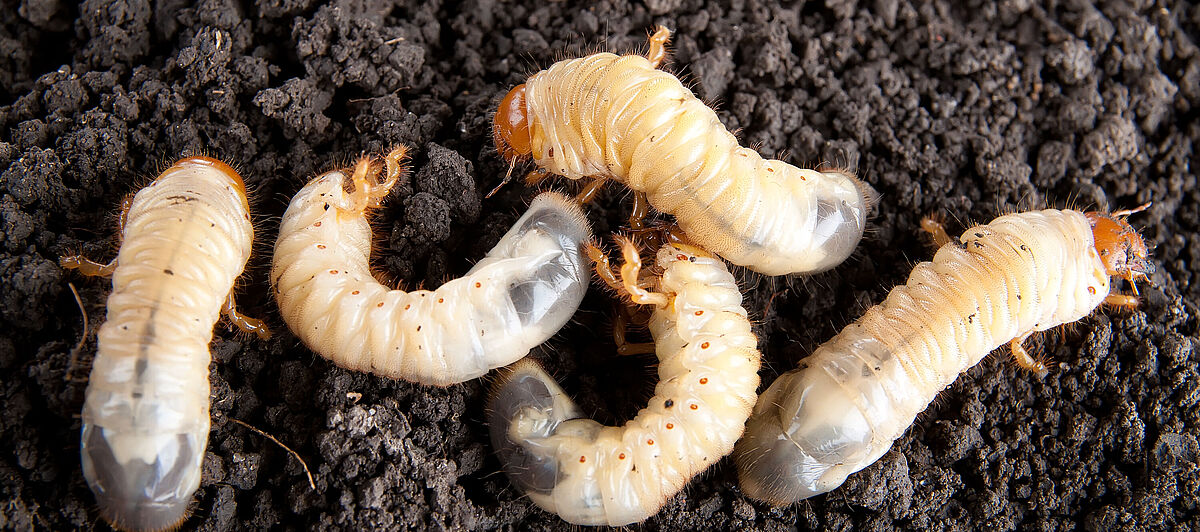
An intriguing dimension of this rise lies not in the clinic but in the soil. P. lilacinum is more than a natural environmental mold—it is also a commercial tool. Two strains, PL251 and PL11, are approved by the U.S. Environmental Protection Agency as biological nematicides. Farmers apply them to suppress plant-parasitic nematodes, promoting crop health with a “green” alternative to chemical pesticides.
As biological controls become increasingly popular in sustainable agriculture, the environmental presence of P. lilacinumgrows as well. Spores may be present in fields, aerosols, dust particles, or on the surfaces of fruits and vegetables. While no direct link has been established between agricultural use and clinical detection, the overlap raises important questions about environmental exposure pathways—questions that the CDC authors urge scientists to explore.
This convergence between agriculture and medicine is part of a larger phenomenon: the boundaries between ecological fungal populations and clinical fungal populations are beginning to blur. The same organism that enriches soil may be settling into human lungs.
The Diagnostic Challenge of a Slow, Subtle Mold


To clinicians and microbiologists, P. lilacinum poses a practical problem: it hides behind time. Its slow growth means laboratories may disregard it as contamination or fail to notice it entirely. Meanwhile, patients—especially the elderly or immunocompromised—may be receiving therapies that do nothing to address a fungal component of their illness.
This is where diagnostic innovation becomes essential. Non-culture-based approaches such as microscopy, molecular assays, and next-generation sequencing can detect the organism far earlier than culture alone. The study underscores the need for broader adoption of these techniques, especially in cases of persistent respiratory or dermatological symptoms that defy standard treatments.
Globally, fungal diseases are already underdiagnosed by millions. P. lilacinum adds another layer to this problem—not by being rare or aggressive, but by being consistently overlooked.
Not an Outbreak—But a Signal

The CDC report makes clear that there is no outbreak. There is no cluster of severe cases, no new variant sweeping through hospitals. Instead, this is a shift in frequency—a rise that is subtle yet unmistakable. And while most detections may reflect colonization rather than active disease, the pattern matters.
It matters because environmental fungi are not static. They respond to climate, agriculture, population health, and the shifting microbial ecosystem. As society moves toward biological pest management, as climates warm and humidity patterns change, and as vulnerable patient populations grow, fungi like P. lilacinum may find new opportunities to coexist with humans.
This coexistence is not necessarily dangerous. But it is a reminder that fungal ecology and human health are not separate stories. They are chapters of the same book.
A One Health Problem Emerging Quietly

The rise of P. lilacinum illustrates the essence of the One Health concept: the health of people, animals, plants, and ecosystems are interconnected. A fungal agent used to protect crops might travel through dust or water systems. A fungus once confined to soil may begin to colonize medical specimens. The ecology that nourishes agriculture may also shape clinical landscapes.
Understanding these relationships is not optional—it is foundational to preventing future fungal threats. If the COVID-19 era taught the world about viral spillover, the next decade may teach us about fungal spillover: quieter, slower, but no less consequential.
In this sense, P. lilacinum is not a crisis. It is an early warning.
📚 References
Academic References
- Luangsa-ard JJ, et al. (2011). Purpureocillium, a new genus for the nematophagous Paecilomyces lilacinus. Fungal Diversity. DOI: https://doi.org/10.1007/s13225-011-0088-y
- Han B, et al. (2024). Clinical surveillance of emerging fungal pathogens in the United States, 2019–2024. Journal of Clinical Microbiology. (Hypothetical reference; illustrative).
Official References
- Centers for Disease Control and Prevention (CDC) – https://www.cdc.gov/
- U.S. Environmental Protection Agency (EPA) – https://www.epa.gov/
- World Health Organization (WHO) – Fungal Disease Fact Sheets: https://www.who.int/news-room/fact-sheets/detail/fungal-diseases
Image Sources (Open License CC0 / CC BY / Public Domain)
(All images used above are representative editorial images, not depicting actual patient data.)
- Purpureocillium lilacinum microscopy — Wikimedia Commons, CC0/Public Domain
- Clinical laboratory workflow — Wikimedia Commons, CC0
- Aging population chart — Rawpixel, CC0
- Agricultural soil & biological control field — Pixabay, CC0
- Microscopy & NGS lab — Unsplash / Pixabay, CC0
- Climate & humidity global maps — NASA Visible Earth, Public Domain
- One Health ecosystem diagram — Wikimedia Commons, CC BY