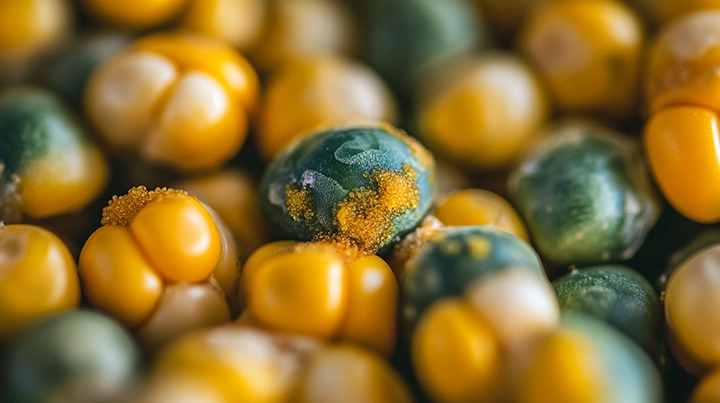
When most people think of Aspergillus niger, the image is hardly flattering: a black mold, infamous for spoiling food or colonizing damp corners. But behind the scenes, this fungus has long been a workhorse for the world’s food and pharmaceutical industries—quietly fermenting mountains of citric acid and brewing up industrial enzymes at scales few organisms can match. Now, a groundbreaking study reported in Biotechnology for Biofuels and Bioproducts(December 2025) shows that A. niger is ready for an even more ambitious task: manufacturing medical-grade human collagen.


Engineering a Fungal Collagen Factory
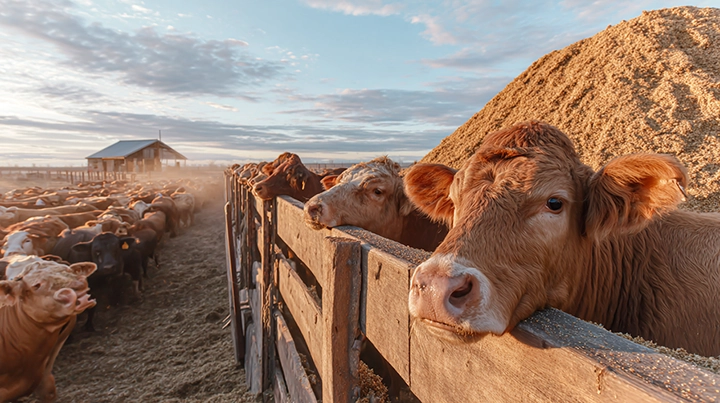
The challenge? Collagen is one of the most important and complex proteins in the human body, forming the structural backbone of skin, cartilage, bone, and connective tissues. Most collagen on the market is extracted from cows, pigs, or fish—raising concerns about allergies, pathogens, supply stability, and even religious or ethical objections.
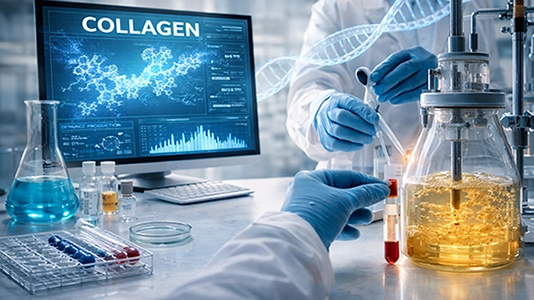
To bypass these problems, scientists genetically modified Aspergillus niger with human-like collagen genes. But producing collagen isn’t just a matter of reading the DNA: the protein must be hydroxylated (modified with the addition of hydroxyl groups) to become strong and stable, a process humans achieve with an enzyme called prolyl 4-hydroxylase. So, the researchers also engineered A. niger to express this enzyme, ensuring the fungus could build not just any collagen, but the robust, triple-helix form used in wound dressings and regenerative medicine.
With optimized gene cassettes and secretion signals, the engineered mold released measurable amounts of hydroxylated collagen into its culture medium. The yield was about 5 milligrams per liter—a modest start, but a landmark proof that a fungus can be programmed to build one of medicine’s most prized biomaterials.


Why Fungal Collagen Is a Big Deal
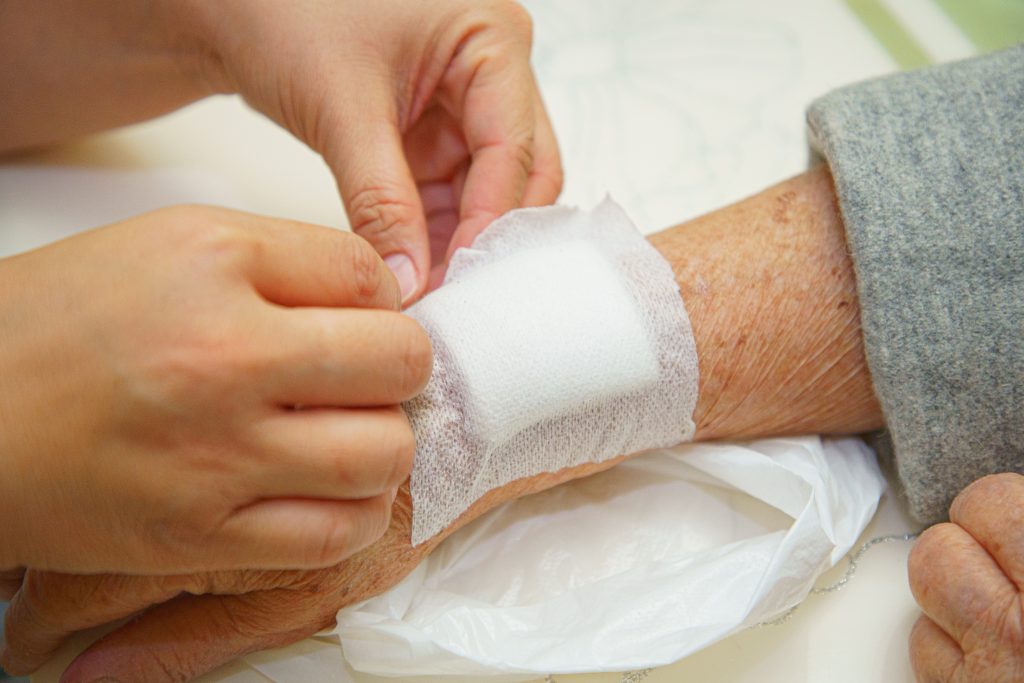
Medical-grade collagen is a cornerstone of modern healthcare. It’s used in wound dressings, tissue scaffolds, 3D bioprinting, and even as a key ingredient in certain pharmaceuticals and cosmetics. However, traditional sources bring risks: animal viruses, prion diseases, and supply chain volatility. Moreover, plant-based alternatives can’t match the mechanical or biological performance of true collagen.
The prospect of vegan, microbial, and customizable collagen addresses all these issues. Engineered fungi don’t carry animal pathogens, and their collagen can be tailored through gene editing for specific properties—thickness, flexibility, bioactivity, and more. For doctors, patients, and manufacturers, this opens the door to safer, more sustainable, and globally accessible biomaterials.


Aspergillus niger: From Spoilage Villain to Industrial Hero
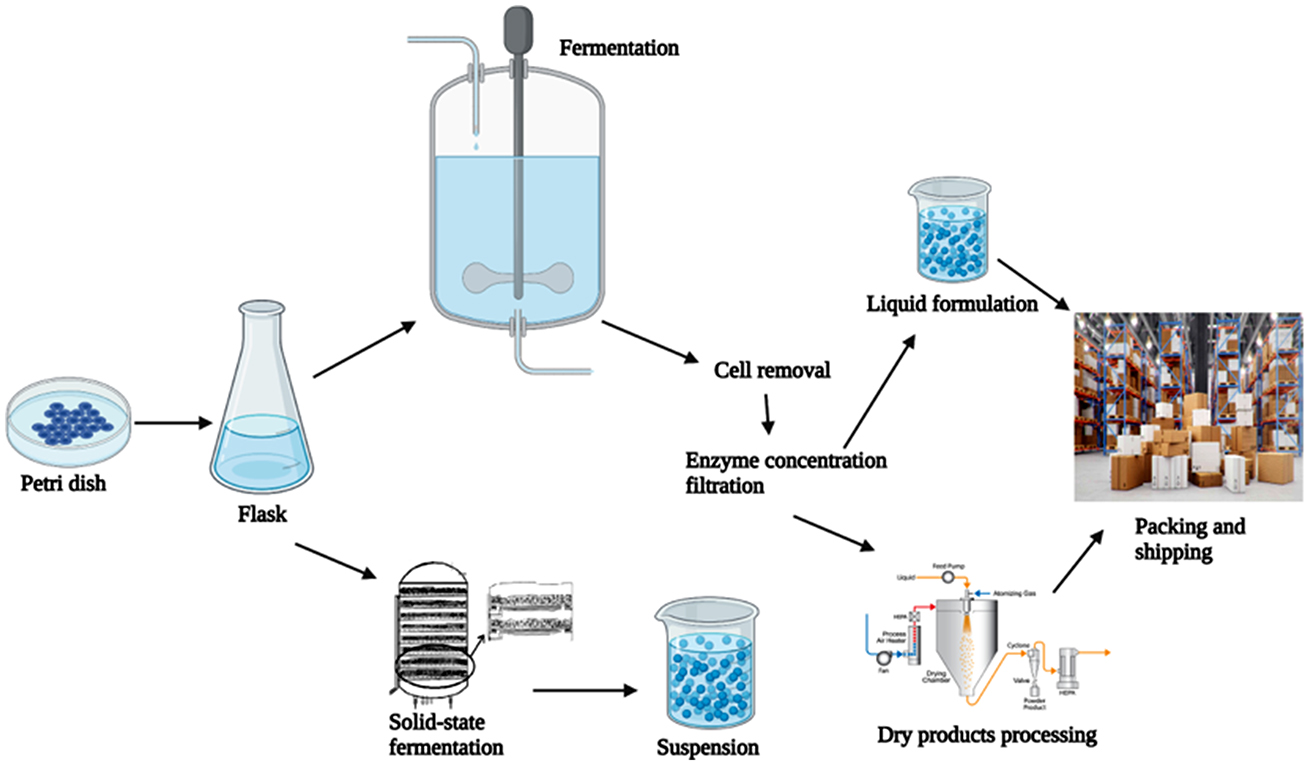
Why choose A. niger for this bold new application? It’s already a biotech superstar. Its “Generally Recognized As Safe” (GRAS) status makes it a favorite for large-scale enzyme and acid production. It thrives in industrial fermenters, excretes proteins with efficiency, and is supported by decades of genetic tools. These traits make it not just suitable but ideal for a new generation of biomaterial manufacturing, pushing the boundaries from food additives to cutting-edge medicine.

The Rise of Fungal Biomaterials
This leap into collagen is part of a bigger movement in fungal biotechnology. Around the world, researchers are tapping fungi to produce antibiotics (Penicillium), edible proteins (Fusarium venenatum), bioplastics (mycelium composites), and more. Fungi, with their intricate enzymatic toolkits, are natural-born builders and decomposers—capable not only of breaking down plant matter, but of assembling entirely new substances. The success of collagen production hints at a near future where biomedical factories are living, growing, and powered by the world’s most versatile molds.


Toward Scalable, Ethical, and Tailor-Made Collagen
The study’s results are just the first step. For clinical use, yields must be scaled up, purification streamlined, and regulatory safety demonstrated. But fungal-based collagen could soon disrupt an industry currently dependent on animal sources. The process is inherently scalable: bioreactors can be built close to where medical materials are needed, reducing costs and carbon footprints. And unlike animal tissue, fungal factories can be reprogrammed to make designer collagens for unique medical or cosmetic applications.
This breakthrough isn’t just a win for medical science—it’s a story of transformation. Molds have gone from feared contaminant to foundation of modern health and manufacturing. Aspergillus niger, once just a spoilage risk, is now a symbol of fungal innovation—proving that with the right genetic tweaks, fungi can become partners in healing, not just threats to our bread or buildings.
This is another reminder: watch the fungi. Today’s nuisance might be tomorrow’s medical marvel.
References
Academic Sources
- Meyer, V., et al. (2011). Aspergillus niger as a cell factory for industrial biotechnology. Applied Microbiology and Biotechnology. DOI: 10.1007/s00253-011-3233-4
- Shoulders, M. D., & Raines, R. T. (2009). Collagen structure and stability. Annual Review of Biochemistry. DOI: 10.1146/annurev.biochem.77.032207.120833
- Recombinant collagen production in filamentous fungi. Biotechnology for Biofuels and Bioproducts.
Official & Institutional Sources
- U.S. Food and Drug Administration (FDA) – GRAS overview: https://www.fda.gov
- World Health Organization (WHO) – Biomaterials and medical device safety: https://www.who.int
- National Institutes of Health (NIH) – Collagen biology overview: https://www.ncbi.nlm.nih.gov