
When a Familiar Pathogen Isn’t What It Seems
Hospitals have long recognized Aspergillus fumigatus as the primary fungal threat to immunocompromised patients—a pathogen capable of infiltrating lungs, evading immune defenses, and escalating rapidly into life-threatening disease. But a newly documented clinical case published in the Journal of Medical Microbiology reveals a troubling reality: not every presumed A. fumigatus infection is actually A. fumigatus.
Behind the familiarity of this well-studied pathogen lurks a cryptic species—Aspergillus thermomutatus—almost indistinguishable under routine laboratory examination yet fundamentally different in drug resistance, thermal tolerance, and clinical behavior.
This case demonstrates how emerging molds exploit diagnostic blind spots. The infection initially appeared routine, presenting with symptoms that typically lead clinicians toward established antifungal protocols. Yet the patient’s rapid decline suggested something unusual, revealing a pathogen hiding behind the identity of a familiar fungus.

The Case That Revealed a Hidden Threat
The patient at the center of the report was immunocompromised—a condition that allows normally manageable microbes to become lethal. When symptoms pointed to Invasive aspergillosis, physicians initiated standard antifungal therapy.
Instead of improving, the infection persisted. Antifungal medications showed little effect, and the patient’s condition deteriorated rapidly.
Only after molecular sequencing did the true pathogen emerge: A. thermomutatus, a member of the Aspergillus lentulus complex, a group known for subtle morphology and troubling resistance patterns.
Its strategy was deceptively effective:
- It mimicked A. fumigatus under routine laboratory observation.
- It possessed thermotolerance, allowing survival at human body temperature.
- It carried intrinsic antifungal resistance, undermining frontline treatments.
The infection ultimately proved fatal.
This case is more than an isolated clinical event. It signals a broader problem: fungi evolving faster than diagnostic practices.
A Fungus Designed to Resist Treatment
What makes A. thermomutatus particularly dangerous is its resistance to triazole antifungals, the global frontline therapy for invasive aspergillosis.
Laboratory testing revealed reduced susceptibility—or outright resistance—to several key drugs:
- Voriconazole
- Itraconazole
- Posaconazole
When a fungus arrives already armored against the standard pharmaceutical arsenal, treatment becomes guesswork. Even combination therapies may struggle to suppress growth.
This places A. thermomutatus within a broader trend: fungal pathogens evolving resistance while global attention focuses largely on antibiotic-resistant bacteria.
Environmental pressures—including agricultural fungicide use and medical antifungal exposure—may be accelerating this evolutionary trajectory.
Why Traditional Diagnosis Failed
Historically, diagnostic laboratories have relied on morphological identification—examining colony color, growth texture, and microscopic structures—to identify Aspergillus species.
But A. thermomutatus closely resembles A. fumigatus, making visual identification unreliable.
The only reliable distinction comes from molecular tools such as:
- Internal Transcribed Spacer sequencing
- PCR-based fungal diagnostics
- genome-level analysis
In many hospitals, however, such tools are not routinely used.
This creates systemic vulnerability:
- misidentified pathogens
- ineffective treatment protocols
- incomplete epidemiological data
As sequencing technologies become more accessible, reported cases will likely increase—not necessarily because the fungus is spreading faster, but because medicine is finally learning to detect it.
A Species Evolving With the World
The thermotolerance of A. thermomutatus hints at a deeper ecological story.
Fungi capable of surviving higher temperatures are better positioned to infect mammals. Human body heat historically acted as a barrier against many environmental fungi. But as global temperatures rise, natural selection may increasingly favor species that tolerate warmth.
This phenomenon is echoed in other emerging pathogens, including Candida auris—a heat-tolerant yeast responsible for hospital outbreaks worldwide.

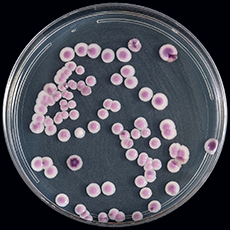
The emergence of these organisms reflects a convergence of forces:
- climate warming
- antifungal exposure in agriculture
- increased numbers of immunocompromised patients
- globalized healthcare systems
In this context, the rise of A. thermomutatus is not purely a medical story—it is an ecological one.
A Call for New Tools and New Awareness
The case report highlights urgent needs across healthcare systems:
Improved diagnostics
- Routine sequencing for Aspergillus infections
- Faster fungal identification workflows
Expanded drug development
- New antifungal classes beyond triazoles
Environmental monitoring
- Tracking fungal reservoirs in hospital environments
Resistance surveillance
- Early detection of emerging resistant species
Without these changes, clinicians may continue fighting pathogens that look familiar but behave very differently.
Conclusion: The Threat Hidden in Familiarity
Aspergillus thermomutatus thrives in the shadow of routine practice. It resembles a species clinicians believe they understand. It resists treatments clinicians assume will work.
And it evolves in environments shaped by climate change, agricultural chemistry, and modern medicine itself.
This case illustrates a fundamental lesson: the future of infectious disease management depends not only on new drugs, but on better recognition of the pathogens we face.
The danger lies not only in what we fail to treat—but in what we fail to see.
References
Scientific literature
- Journal of Medical Microbiology — Case report on Aspergillus thermomutatus infection
- Verweij PE et al. (2016). Azole resistance in Aspergillus fumigatus. Lancet Infectious Diseases.
- Rhodes J. (2019). Thermotolerance and emerging fungal pathogens. Nature Reviews Microbiology.