According to THE CONVERSATION
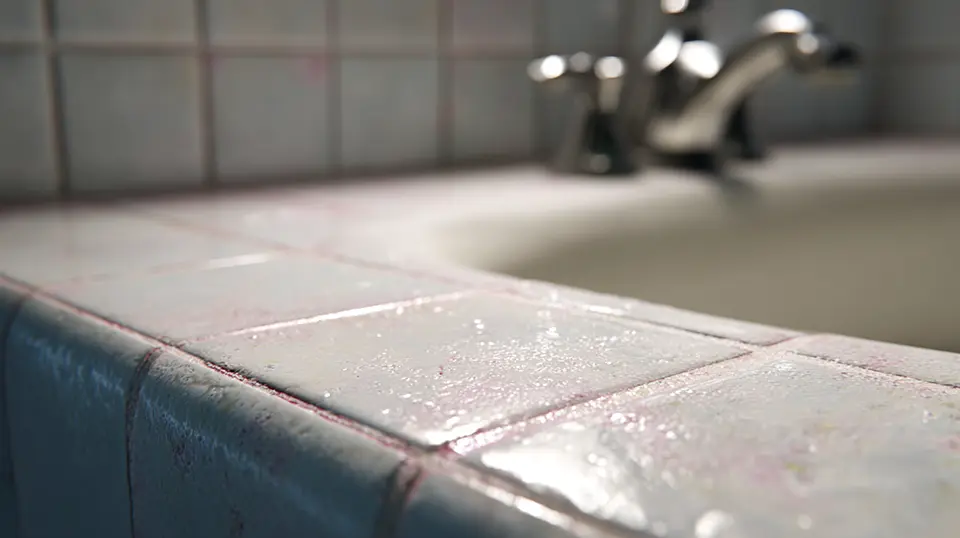
It begins innocently enough. A faint blush in the corners of the shower, a smear of pinkish slime around the base of the tap, or an orange tinge creeping along the grout. Many people assume it’s just harmless soap residue, or perhaps some quirky mineral stain left behind by the water supply. But the truth is far more unsettling — and far more alive.
For decades, scientists and public health officials have been unpicking the mystery of the pink scum that haunts bathrooms worldwide. What they’ve found is a tale of two organisms: one, a harmless but opportunistic yeast-like fungus called Rhodotorula; the other, a bacterium that’s not only capable of thriving in your shower but also of killing patients in hospitals — Serratia marcescens.
This story is about how these microbes infiltrate our daily lives, what risks they pose, and why that stubborn pink smear in your bathroom deserves more attention than a passing glance with a sponge.
The Pink Intruder: Fungus or Bacterium?
When people discover pink or orange stains in damp corners, the instinct is to think “mould.” And sometimes, that’s correct.
Rhodotorula is a genus of yeast-like fungi, notable for its rose-red appearance (the name itself comes from the Greek “rhodo,” meaning rose). This microfungus is surprisingly resourceful: it survives in nutrient-poor environments by scavenging nitrogen with remarkable efficiency. That makes your bathroom grout — a humid but otherwise lean habitat — an ideal home.
While Rhodotorula is mostly harmless for healthy individuals, it can be opportunistic in hospitals, particularly in patients with catheters or weakened immune systems (Healthline). Case reports document bloodstream infections linked to this fungus, but such instances remain relatively rare. For most of us, it is more nuisance than threat.
The bigger culprit, however, is often Serratia marcescens, a scarlet bacterium that flourishes in damp, soapy environments. Unlike fungi, it thrives on phosphorous, scraping whatever trace elements remain in modern soaps and detergents. It’s not only capable of living in soap scum — it can live in the soap itself, turning it pink as it grows.

Source: Wikimedia Commons, CC BY-SA 3.0
A History of Scarlet Science
Serratia is not a newcomer to human attention. In the mid-20th century, scientists even used it as a marker in experiments because of its distinctive red pigment, dispersing it in the air to simulate how pathogens might spread (CDC). Its bright hue made it easy to track, but the experiments unwittingly underestimated its pathogenic potential.
Now, Serratia is listed as an emerging pathogen. It is among the top ten causes of bacteremia, capable of triggering sepsis, pneumonia, urinary tract infections, and wound infections. Most troubling, it demonstrates growing antibiotic resistance.
In everyday environments, the risk is low. Most people exposed in bathrooms or kitchens won’t fall ill. At worst, they might suffer a stubborn cough, a cut that heals slowly, or mild flu-like symptoms. But in hospitals, the stakes rise sharply. Outbreaks in neonatal wards, including one in Gaza in 2005 that infected 159 infants and killed nearly half (The Guardian), underline how deadly Serratia can be when it finds vulnerable hosts.

Source: Wikimedia Commons, CC BY-SA 4.0
The Statistics That Matter
Epidemiological data helps place this bathroom bacterium in perspective. A ten-year study in Canberra found an incidence rate of 1.03 Serratia infections per 100,000 people (PubMed). Canada reported a similar figure of 0.9 per 100,000. For Australia, that translates into about 2,800 infections annually.
Those numbers may sound small, but they conceal the reality that hospital outbreaks can escalate quickly, and patients with compromised immunity bear the brunt. For the average healthy person cleaning their shower, the risk of serious illness remains minimal — but not nonexistent.
Health Implications: When Soap Scum Turns Sinister
So what’s the real danger of that pinkish film? For most households, it is primarily an aesthetic and hygienic nuisance, not a death sentence. But the potential health implications are worth noting:
- Respiratory irritation: Inhaling aerosolized bacteria or fungal spores while showering can aggravate asthma or allergies.
- Skin and wound infections: Cuts or abrasions exposed to contaminated water may serve as entry points.
- Vulnerable populations: Immunocompromised individuals, the elderly, and infants face elevated risks of severe infection.
It’s important to underscore: the majority of Serratia and Rhodotorula encounters will not cause illness. But ignoring the problem allows colonies to expand, raising exposure levels.
Fighting Back: The Household Arsenal
If pink slime has crept into your bathroom, it doesn’t mean you’re living in filth. It means you’re living in a world where microbes thrive wherever moisture lingers. Fortunately, there are ways to keep them at bay.
- Regular cleaning with bleach-based solutions or vinegar helps disrupt microbial films.
- Improving ventilation reduces humidity, cutting off microbial growth conditions.
- Replacing old silicone seals and grout eliminates hidden reservoirs where colonies persist.
- For hospitals: strict infection control, surface sterilization, and monitoring are crucial to prevent outbreaks.

Source: Wikimedia Commons, CC BY-SA 4.0
References
WHO. Antimicrobial Resistance.
According to THE CONVERSATI