According to NEW YORK POST
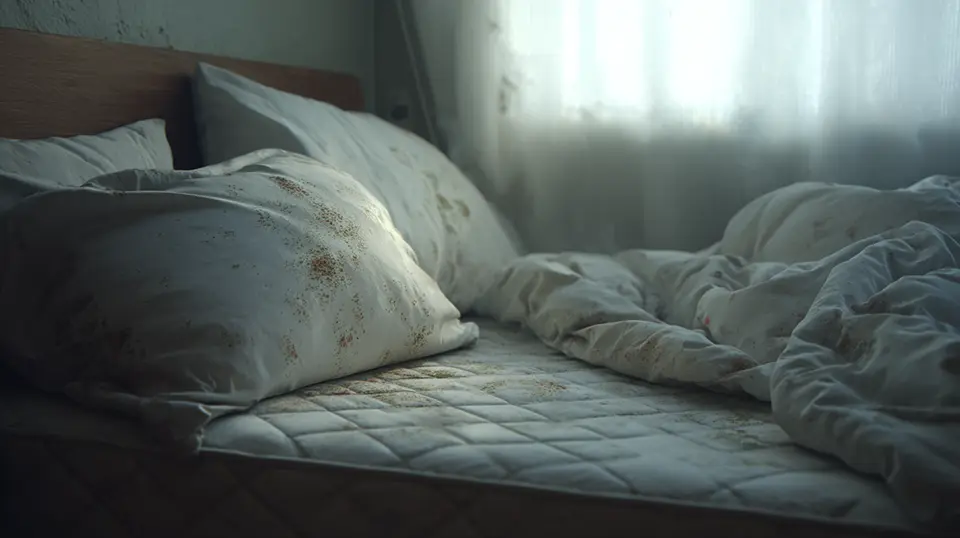
Most people think of home as the safest place in the world — a haven from chaos, a shelter from storms. But for some, the walls that promise protection become silent aggressors. Hidden behind paint, beneath floorboards, or in the damp corners of ceilings, a microscopic intruder is at work: mould.
The recent New York Post feature tells the story of one woman who discovered, after years of unexplained illness, that her own house was slowly poisoning her. What unfolded is not just a personal health scare, but a cautionary tale of how indoor mould exposure can devastate lives, erode trust in housing systems, and expose dangerous gaps in public health awareness.
The Story Behind the Walls
The case centers on a woman who began experiencing a string of health issues — fatigue, respiratory problems, brain fog — that puzzled doctors. Tests came back inconclusive, treatments failed, and symptoms worsened. Eventually, the source was discovered: toxic mould contamination inside her home.
For many, such revelations feel like a horror story. But they are alarmingly common. Dampness and poor ventilation create ideal conditions for mould to grow. Once spores are inhaled, they can trigger an array of health issues, from mild allergies to severe systemic illness.

Source: Wikimedia Commons, CC BY-SA 3.0
e Medical Reality: When Mould Turns Deadly
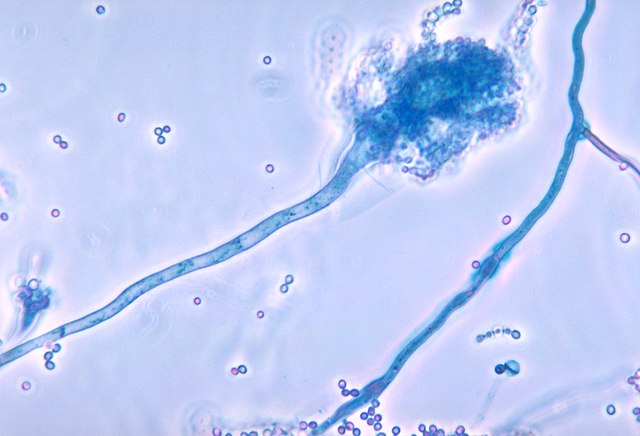
While not all moulds are dangerous, certain species can release mycotoxins, potent compounds capable of damaging organs and immune systems. Among the most notorious are:
- Stachybotrys chartarum (black mould): linked to respiratory distress, chronic fatigue, and neurological symptoms.
- Aspergillus fumigatus: capable of causing invasive infections in immunocompromised individuals.
- Penicillium species: allergenic, associated with asthma exacerbations.
For the woman profiled, prolonged exposure to mould spores and toxins turned her home into a slow-burning health crisis. Her experience reflects the reality faced by many families: symptoms dismissed as stress or seasonal illness until structural investigations reveal a deeper problem.
Source: Wikimedia Commons, CC BY-SA 3.0
A Widespread, Underestimated Problem
Studies show that over 45 million homes in the United States may have unhealthy levels of mould or dampness (New York Times). The World Health Organization has long warned that indoor mould is a major public health issue, particularly in countries with aging housing stock, insufficient ventilation, and increasingly humid climates due to global warming.
n the UK, mould-related deaths have already forced government interventions after tragedies like the 2020 death of two-year-old Awaab Ishak, whose family’s complaints of black mould were ignored until it was too late. In the U.S., legal battles over mould contamination in rental housing continue to mount, with tenants demanding accountability from landlords who dismiss or cover up structural defects (The Guardian).

Source: Wikimedia Commons, CC0
The Science of Sickness Indoors
Mould is more than just a cosmetic stain or a musty smell. Once established, colonies release spores into the air. When inhaled, these spores interact with the respiratory system, triggering:
- Asthma attacks
- Chronic coughing and wheezing
- Skin rashes and irritation
- Neurological symptoms (headaches, memory lapses, fatigue)
- Immunosuppression in severe cases
The risk is highest for children, the elderly, and those with pre-existing health conditions. But long-term exposure can undermine even healthy immune systems, leaving residents vulnerable.

Source: Wikimedia Commons, CC BY-SA 3.0
Emotional and Financial Fallout
Beyond physical illness, the emotional toll of living in a mould-ridden home is profound. Families often describe feelings of betrayal, especially when landlords or housing authorities fail to respond. The cost of remediation — thousands of dollars for professional removal — leaves many choosing between health and financial stability.
For homeowners, mould can render a property unsellable, effectively trapping them in unsafe conditions. For renters, complaints often lead to disputes, threats of eviction, or superficial fixes that do little to solve the underlying issue.
The woman in the Post’s story reflected a broader frustration: it wasn’t just her house that failed her, but the system designed to keep homes safe.
Why It’s So Hard to Escape
Mould thrives where moisture is persistent: leaky pipes, poor roofing, clogged gutters, or inadequate bathroom ventilation. Modern construction practices, which emphasize airtight insulation to conserve energy, can ironically trap humidity indoors, creating ideal breeding grounds.
Even after cleaning visible mould, spores can remain hidden in drywall, carpets, and insulation, waiting for the next wave of dampness to trigger regrowth. That makes professional remediation essential — and costly.
The Call for Action
Experts warn that mould is not just a private nuisance but a public health threat requiring systemic solutions. Stronger building regulations, stricter landlord accountability, and expanded public health campaigns are urgently needed.
References
WHO. WHO Guidelines for Indoor Air Quality: Dampness and Mould. (2009).
Wikipedia. Stachybotrys chartarum.
Wikipedia. Aspergillus fumigatus.
According to NEW YORK POST