According to PURSUIT
New research has highlighted how the droppings of a small, shy Australian marsupial—the potoroo—can provide valuable insights into climate change, ecosystem health, and the fragile relationships between animals, fungi, and forests. By analysing potoroo faeces, scientists are uncovering how changing environmental conditions are reshaping fungal diversity and, in turn, the survival prospects of species that depend on these underground networks.
The findings place potoroos at the centre of a much larger ecological story. Although little known outside Australia, these animals play a crucial role as fungal dispersers. Their diet, digestion, and movement across landscapes link climate change directly to the health of forests and soils.

Source: Wikimedia Commons, CC BY-SA 3.0
The Potoroo’s Ecological Role
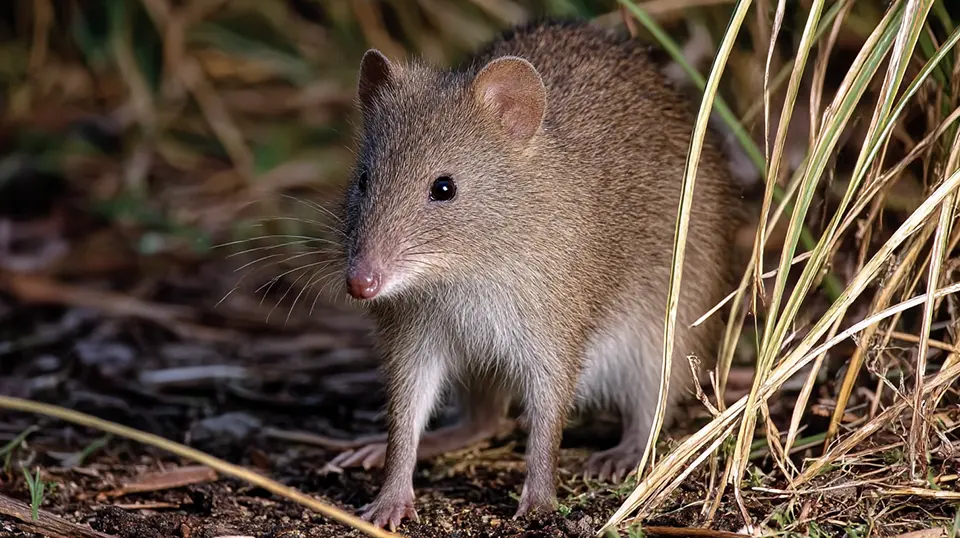
Potoroos are small, nocturnal marsupials native to Australia, spending much of their time foraging on the forest floor. Unlike many herbivores, potoroos rely heavily on fungi, particularly underground fungi similar to truffles, as a primary food source.
As they dig for and consume fungi, potoroos ingest fungal spores. These spores pass through their digestive system and are deposited across the landscape in their droppings. This process helps fungi spread and maintain healthy populations, supporting broader ecosystem functions such as nutrient cycling and plant growth.
Scientists describe potoroos as “ecosystem engineers” because their feeding behaviour supports fungal communities that many plants rely on through mycorrhizal relationships.
Why Scientists Study Potoroo Poo
Faecal analysis offers a non-invasive way to study both animal diets and ecosystem changes. By examining potoroo droppings, researchers can identify which fungal species are being consumed and dispersed, providing a snapshot of fungal diversity in a given area.
This approach has proven especially useful in understanding how climate change is affecting fungal availability. Because fungi are sensitive to temperature, rainfall, and soil moisture, shifts in climate can rapidly alter which species thrive and which disappear.
Changes detected in potoroo droppings therefore reflect broader environmental changes occurring beneath the forest floor—changes that are otherwise difficult to observe directly.
Climate Change and Fungal Decline
The research shows that climate change is influencing fungal communities in complex ways. Prolonged droughts, altered rainfall patterns, and rising temperatures can reduce the abundance of certain fungi, particularly those that require moist, stable soil conditions.
When fungal diversity declines, potoroos may struggle to find sufficient food. This creates a feedback loop: fewer fungi mean less food for potoroos, and fewer potoroos mean reduced fungal spore dispersal, further weakening fungal populations.
Scientists warn that this cycle could accelerate ecosystem degradation, especially in regions already under pressure from habitat loss, bushfires, and invasive species.

Source: Wikimedia Commons, CC BY-SA 3.0
Implications for Forest Health
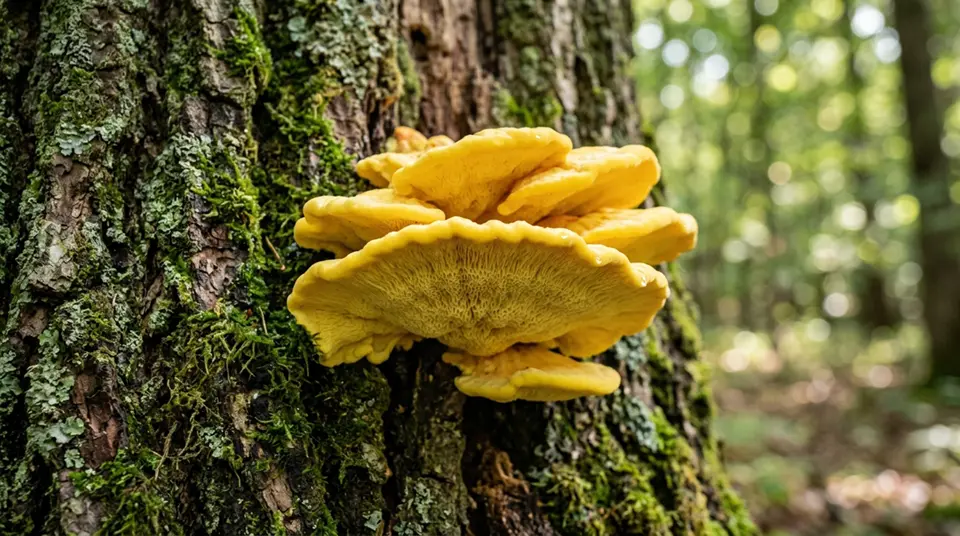
Fungi play a foundational role in forest ecosystems. Many trees rely on mycorrhizal fungi to absorb nutrients and water from the soil. If fungal networks are disrupted, trees may grow more slowly, become more vulnerable to disease, or struggle to regenerate after disturbances such as fire.
By tracking changes in potoroo diets over time, researchers can infer how fungal communities are responding to environmental stress. This information helps scientists predict how forests may change under future climate scenarios.
In this sense, potoroo droppings act as biological indicators, revealing hidden shifts that could have long-term consequences for entire ecosystems.

Source: Wikimedia Commons, CC BY-SA 3.0
Conservation Concerns
Several potoroo species are already threatened or endangered due to habitat loss, predation, and environmental change. Climate-driven reductions in fungal food sources add another layer of risk.
Conservationists argue that protecting potoroos requires protecting fungi and the conditions that allow them to flourish. This includes preserving native vegetation, maintaining soil health, and mitigating the impacts of climate change where possible.
A Broader Lesson About Climate Change
The study illustrates how climate change affects ecosystems in indirect and often unexpected ways. While large animals and trees are more visible symbols of environmental change, much of the most critical transformation happens underground, within soil and microbial communities.
By following the trail of potoroo droppings, scientists are gaining insight into these hidden processes. The findings demonstrate that even small animals can offer powerful clues about the health of the planet.

Source: Wikimedia Commons, CC BY-SA 3.0
What potoroo poo reveals is far more than dietary habits. It tells a story about climate change, ecological interdependence, and the delicate balance sustaining forests. As climate pressures intensify, understanding these connections becomes increasingly important.
The research highlights that protecting biodiversity means looking beyond the obvious and recognising the vital roles played by fungi and the animals that spread them. In doing so, potoroos emerge not just as vulnerable species, but as key messengers of environmental change.
References
IPCC. Climate Change and Ecosystems.
FAO. Forest and Soil Biodiversity.
According to PURSUIT