According to thespruce
Moisture Remains the Biggest Threat to Outdoor Decks
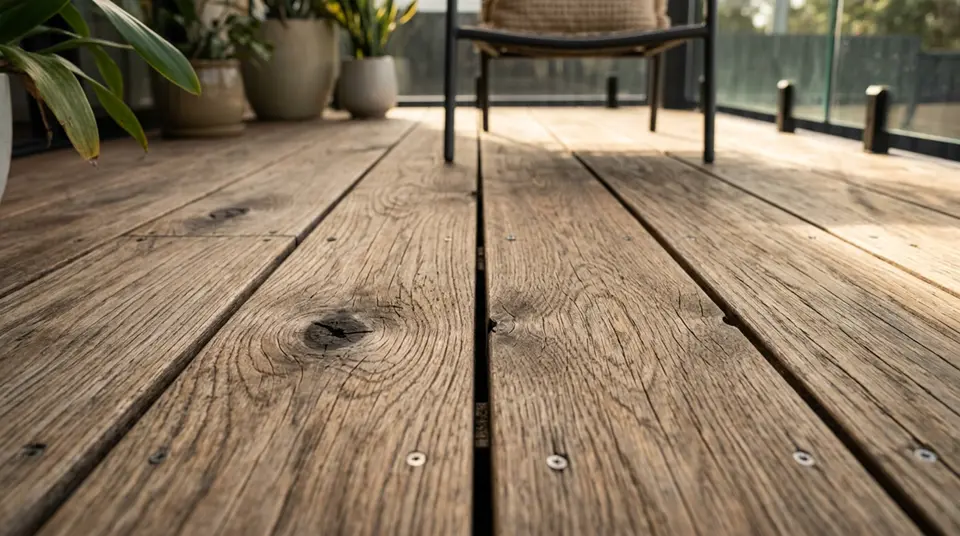
Outdoor decks are exposed to constant environmental stress from rain, humidity, sunlight, snow, and seasonal temperature changes. According to home improvement experts, waterproofing is one of the most effective ways to protect a deck from premature deterioration and extend its service life.
Wood is naturally porous, meaning it absorbs moisture whenever it is exposed to rain, condensation, or humid air. Over time, repeated cycles of wetting and drying cause the wood to expand and contract. This movement can lead to cracking, splitting, warping, and surface damage that gradually weakens the structure.
Experts explain that waterproofing does not make a deck completely waterproof. Instead, sealers and protective coatings help reduce the amount of water absorbed by the wood, allowing it to dry more efficiently after exposure to moisture. By limiting water penetration, homeowners can significantly reduce long-term damage.

Moisture Expansion and Contraction Cycle
| Moisture Cycle Stage | Effect on Wood |
|---|---|
| Water Absorption | Expansion |
| Drying | Contraction |
| Repeated Cycles | Cracking & Warping |
| Long-Term Exposure | Structural Weakening |
| Persistent Moisture | Biological Deterioration |
Generated by AI based on USDA Forest Products Laboratory wood durability research.
Waterproofing Helps Prevent Wood Rot
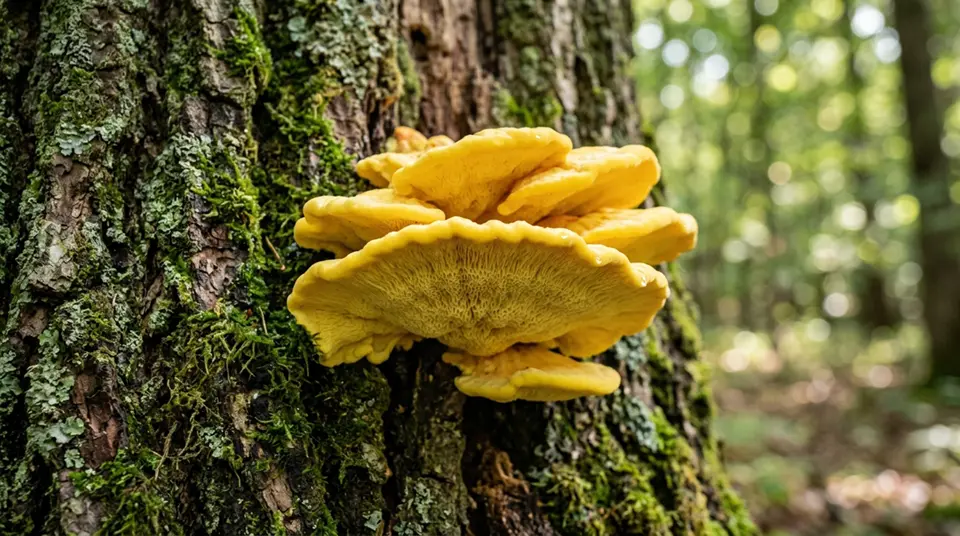
One of the primary concerns associated with moisture is wood rot. Rot develops when wood remains damp for extended periods, creating conditions favorable for fungal growth. Wood-decay fungi feed on structural components within the wood, gradually breaking them down and reducing strength.
As decay progresses, affected boards may become soft, brittle, or structurally unstable. In severe cases, sections of the deck may require replacement.
Waterproofing also helps preserve the appearance of a deck. Exposure to moisture and ultraviolet radiation can cause discoloration, fading, and weathering. Many waterproofing products include UV protection that helps maintain the wood’s natural color and finish while reducing surface deterioration.
Common Wood-Decaying Fungi
- Serpula lacrymans (Dry Rot Fungus)
- Coniophora puteana (Cellar Fungus)
- Gloeophyllum trabeum (Brown Rot Fungus)
- Trametes versicolor (Turkey Tail Fungus)
Climate and Environment Influence Maintenance Requirements
The level of maintenance required depends on several factors, including climate, wood type, sun exposure, and drainage conditions. Decks located in humid regions or areas with frequent rainfall generally require more protection than those in dry climates.
Similarly, decks shaded by trees may remain wet longer, increasing the likelihood of fungal growth and moisture-related damage.
Experts recommend cleaning a deck thoroughly before applying any waterproofing treatment. Dirt, algae, mildew, leaves, and other debris can interfere with product performance and prevent sealers from penetrating the wood properly.
Regular cleaning also allows homeowners to identify early signs of wear, damage, or fungal activity before problems become more serious.

Moisture Risk Factors
| Environmental Factor | Potential Impact |
|---|---|
| High Humidity | Increased fungal activity |
| Heavy Rainfall | Greater water absorption |
| Poor Drainage | Standing water accumulation |
| Dense Tree Cover | Reduced drying rates |
| Limited Airflow | Mold and fungal growth |
Generated by AI based on building science and wood preservation research.
Choosing the Right Waterproofing Product
Several waterproofing options are available, including clear sealers, semi-transparent stains, and solid-color coatings. Each provides different levels of moisture resistance and UV protection. Homeowners typically select products based on both appearance preferences and environmental conditions.
Waterproofing Product Comparison
| Product Type | Water Resistance | UV Protection | Appearance |
|---|---|---|---|
| Clear Sealer | Moderate | Low | Natural Grain Visible |
| Semi-Transparent Stain | High | Moderate | Enhanced Grain |
| Solid Coating | Very High | High | Painted Appearance |
Generated by AI based on industry waterproofing product specifications.
Proper drainage is another important factor in deck longevity. Standing water increases moisture exposure and accelerates deterioration. Waterproofing products are most effective when combined with good design practices that encourage water runoff and prevent accumulation.
Ventilation beneath the deck is equally important. Adequate airflow helps surfaces dry more quickly after rain and reduces the damp conditions that encourage mold and fungal development.
Climate Change May Increase Moisture Challenges
As weather patterns become increasingly unpredictable in some regions, experts suggest that proactive maintenance may become even more important. Heavy rainfall, rising humidity, and seasonal weather extremes can place additional stress on outdoor wooden structures.
From a building science perspective, moisture control remains one of the most effective methods for preventing fungal colonization. By reducing water availability within the wood, waterproofing creates conditions that are less favorable for the growth of decay-causing fungi.
Global Moisture and Rainfall Patterns
Generated by AI based on IPCC climate assessments and global precipitation datasets.
Waterproofing Is Part of a Long-Term Maintenance Strategy
Experts emphasize that waterproofing should be viewed as part of a comprehensive maintenance program rather than a one-time treatment. Regular inspections, cleaning, drainage management, and reapplication of protective coatings are all necessary for long-term performance.
While waterproofing requires periodic maintenance, the cost is generally much lower than repairing or replacing damaged decking materials. For homeowners seeking to protect their investment, moisture protection remains one of the most practical and effective strategies available.
The article highlights a simple conclusion: outdoor decks are constantly exposed to moisture, and without adequate protection, deterioration becomes increasingly likely. Waterproofing helps preserve structural integrity, reduce fungal damage, maintain appearance, and extend the lifespan of one of the most valuable outdoor living features of a home.

References
Schmidt, O. (2006). Wood and Tree Fungi: Biology, Damage, Protection, and Use. Springer.
According to thespruce