According to PACKAGING GATEWAY
Researchers at the University of Maine are developing a new form of sustainable food packaging made from fungi, offering a potential alternative to petroleum-based plastics and foam materials. The project aims to reduce environmental waste by using biodegradable fungal materials that can be grown from agricultural byproducts.
The innovation reflects growing pressure on the packaging industry to shift toward renewable and compostable materials, particularly as governments and consumers demand reductions in single-use plastics.

Source: Wikimedia Commons, CC BY-SA 4.0
The Need for Sustainable Packaging Solutions
Food packaging plays a critical role in preserving freshness, preventing contamination, and extending shelf life. However, conventional packaging materials—such as plastic films and expanded polystyrene—are often derived from fossil fuels and contribute significantly to global waste streams.
With plastic pollution and landfill accumulation becoming major environmental concerns, researchers and manufacturers are exploring bio-based alternatives that balance performance, cost, and sustainability.
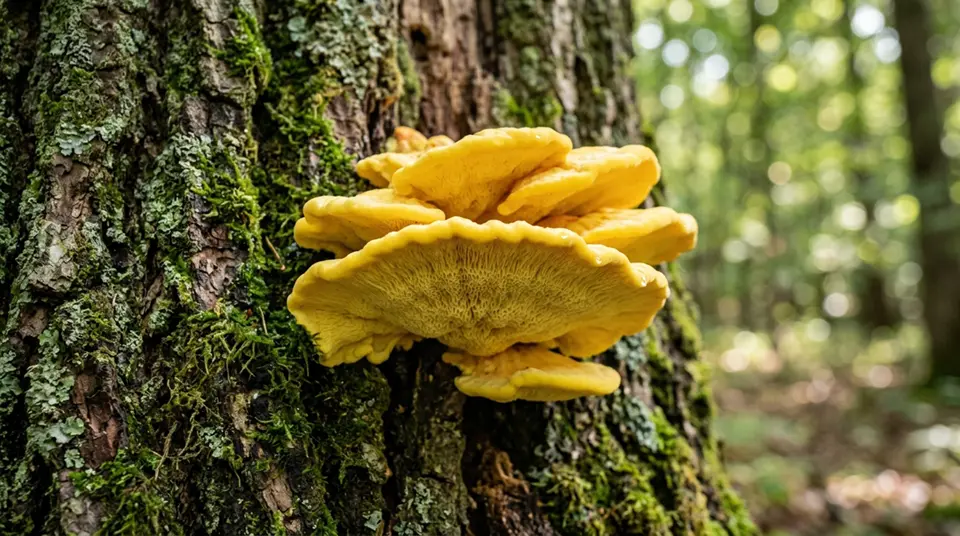
The University of Maine’s research focuses on fungi as a promising raw material for creating compostable packaging products.

Source: Wikimedia Commons, CC BY-SA 4.0
How Fungi Are Used in Packaging
The process relies on mycelium, the root-like network of fungal filaments that grows underground or through organic substrates. When cultivated under controlled conditions, mycelium can bind together agricultural waste fibers—such as wood chips or crop residues—forming a lightweight but structurally stable material.
As the fungus grows, it naturally acts as a biological adhesive, transforming loose plant-based particles into a cohesive composite. Once the desired shape is achieved, the material is heat-treated to stop further growth, resulting in a durable and inert packaging product.
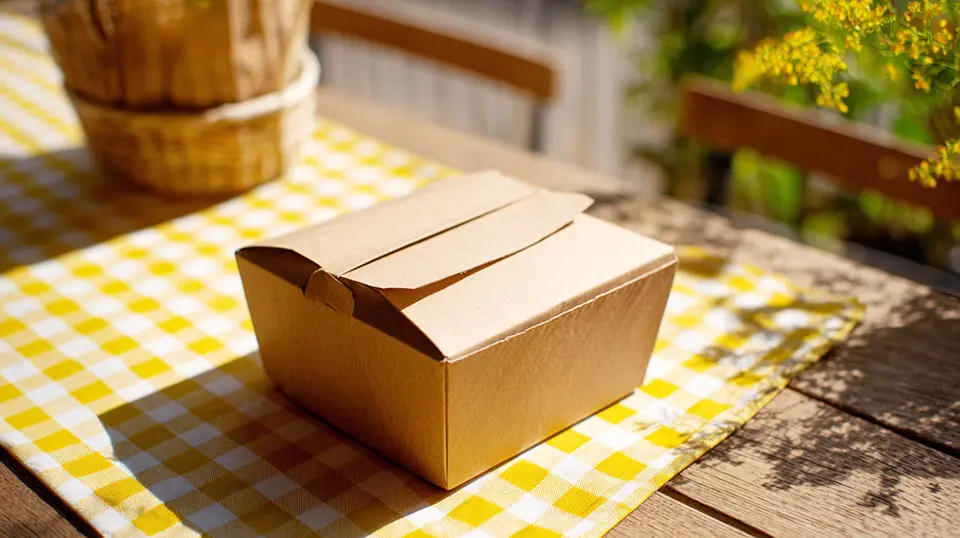
The final material can be molded into various forms, including trays, cushioning inserts, and protective food containers.
Environmental Benefits
One of the primary advantages of fungi-based packaging is biodegradability. Unlike plastic, which can persist in the environment for hundreds of years, mycelium composites break down naturally under composting conditions.
The production process also requires less energy compared to manufacturing traditional plastic packaging. Since fungi grow at ambient temperatures and utilize organic waste as feedstock, the material has a lower carbon footprint.
Additionally, using agricultural byproducts reduces waste from farming operations and promotes circular resource use.

Source: Wikimedia Commons, CC BY-SA 4.0
Performance and Food Safety Considerations
Researchers emphasize that fungi-based packaging must meet food safety standards before widespread adoption. This includes ensuring resistance to moisture, maintaining structural integrity during transportation, and preventing contamination.
Heat treatment eliminates active fungal growth, ensuring that the packaging material is safe and stable for food contact. Ongoing research focuses on improving barrier properties, such as resistance to humidity and grease, which are critical for food packaging applications.
While fungal materials may not immediately replace all plastic packaging, they could be particularly effective for dry goods or protective cushioning.
Scalability and Commercial Potential
The University of Maine’s research aligns with broader industry interest in bio-based materials. Several startups and established manufacturers are already experimenting with mycelium composites for packaging, insulation, and consumer goods.
Scaling production remains a key challenge. Consistent quality, rapid growth cycles, and integration into existing manufacturing systems are necessary for commercial viability. Researchers are working to optimize growth conditions and refine molding processes to ensure uniformity at industrial scales.
Economic feasibility will depend on raw material availability, production efficiency, and market demand for sustainable packaging options.
Addressing the Plastic Waste Crisis
The development of fungi-based packaging comes amid increasing regulatory scrutiny of plastic waste. Many regions are introducing bans or restrictions on single-use plastics, creating opportunities for biodegradable alternatives.
Consumers are also more environmentally conscious, seeking products with minimal environmental impact. Packaging innovation is therefore becoming a central component of corporate sustainability strategies.
By offering a compostable alternative derived from renewable resources, fungal packaging may help companies meet sustainability targets while reducing environmental harm.
Research and Collaboration
The project involves interdisciplinary collaboration among material scientists, microbiologists, and engineers. The integration of biological growth processes with industrial design represents a convergence of biotechnology and manufacturing.
Researchers aim to refine the material’s mechanical properties, explore additional feedstock sources, and evaluate life-cycle impacts to ensure environmental benefits are fully realized.
Continued research may also lead to hybrid materials that combine fungal composites with other biodegradable substances to enhance performance.
Challenges Ahead
Despite its promise, fungi-based packaging faces obstacles. Moisture sensitivity, production timelines, and competition with low-cost plastics remain concerns. Consumers and businesses may also require education regarding compostability and proper disposal practices.
Furthermore, certification processes for food-grade materials can be lengthy and rigorous. Ensuring compliance with international standards is essential before commercial deployment.
A Step Toward Circular Materials
The initiative reflects a broader shift toward regenerative and circular economy material systems. Instead of extracting finite resources, producing waste, and discarding products, fungal packaging supports a cycle in which materials return safely to the environment.
By turning agricultural waste into functional packaging, the approach reduces reliance on fossil fuels and minimizes long-term environmental accumulation.
Conclusion
The University of Maine’s development of fungi-based food packaging represents a significant step in sustainable material innovation. By harnessing mycelium to bind agricultural byproducts into compostable packaging, researchers aim to reduce plastic waste and lower the carbon footprint of food packaging.
While further testing and scaling are required, the project illustrates how biological processes can reshape industrial production. If successfully commercialized, fungi-derived packaging could contribute meaningfully to global efforts to transition toward more sustainable and environmentally responsible packaging systems.
References
United Nations Environment Programme (UNEP) – Plastic Pollution
According to PACKAGING GATEWAY