According to NEW FOOD
As global demand for sustainable food and nutritionally complete diets continues to rise, researchers are increasingly turning to fungi as a solution that sits at the intersection of nutrition, environmental efficiency, and circular economy principles. A recent scientific development highlights how fungi cultivated on plant remnants can generate high-quality protein, offering a promising method to strengthen the nutritional profile of plant-based diets while reducing food-system waste.
The concept is deceptively simple: instead of discarding agricultural by-products such as crop residues or food-processing remnants, these materials are used as a growth substrate for specific fungi. Through fermentation, the fungi convert low-value plant matter into protein-rich biomass that can be harvested, processed, and incorporated into food products.
From my perspective as a reporter focused on food systems and fungal innovation, this research illustrates how fungi are increasingly redefining what “protein production” means in a resource-constrained world.

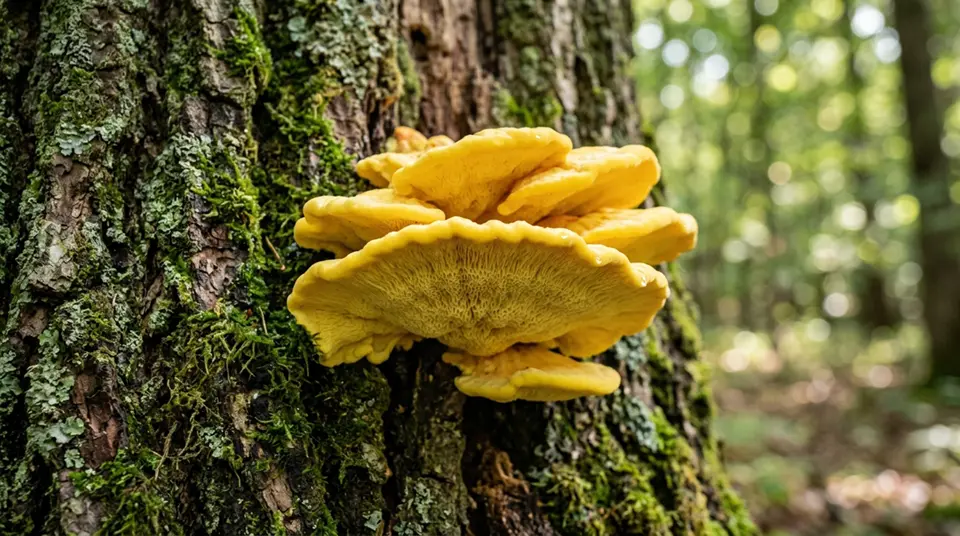
Source: Wikimedia Commons, CC BY-SA 4.0
How the Process Works
Fungi are uniquely suited for this role because of their natural ability to break down complex plant materials. Many species produce enzymes that decompose cellulose, hemicellulose, and lignin—components that humans cannot digest and that often go unused in food systems.
In the described research, fungi were cultivated on plant-based remnants, such as by-products from crop harvesting or food manufacturing. Under controlled conditions, the fungi metabolized these materials and converted them into fungal biomass rich in protein.
This process resembles traditional fermentation but operates at a different scale and purpose. Rather than producing flavor compounds or alcohol, the primary output is nutritionally dense fungal protein, often referred to as mycoprotein.
Importantly, this approach does not rely on arable land expansion or high-input feedstocks. It leverages existing waste streams, aligning with sustainability goals across agriculture and food production.
Protein Quality and Nutritional Value
One of the most significant findings is the quality of the protein produced. Analysis indicates that fungal protein derived from this process contains a favorable amino acid profile, including essential amino acids required for human health.
Plant-based diets are often criticized for lacking certain amino acids or requiring careful food combinations to achieve nutritional balance. Fungal protein can help address these gaps by:
- providing complete or near-complete amino acid profiles,
- offering high digestibility, and
- contributing additional nutrients such as fiber, minerals, and bioactive compounds.
Unlike some plant proteins, fungal protein does not carry the same levels of anti-nutritional factors that can reduce absorption. This makes it particularly attractive as a fortifying ingredient rather than merely a meat substitute.

Source: Wikimedia Commons, CC BY-SA 4.0
Sustainability and Circular Economy Benefits
The environmental implications of this approach are substantial. Protein production is traditionally resource-intensive, especially when derived from animal agriculture. By contrast, fungal fermentation on plant remnants offers several advantages:
- Waste Reduction
Agricultural and food-processing by-products are repurposed rather than discarded. - Lower Land Use
Fungi grow vertically and do not require farmland expansion. - Reduced Water and Energy Demand
Fermentation systems typically consume less water than livestock production. - Lower Greenhouse Gas Emissions
The process avoids methane emissions associated with ruminant animals.
This model exemplifies circular food production, where outputs from one stage become inputs for another. From a systems perspective, fungi act as biological recyclers, transforming inefficiency into nutrition.

Source: Wikimedia Commons, CC BY-SA 4.0
Applications in Plant-Based Diets
Rather than positioning fungal protein solely as a meat alternative, researchers emphasize its role as a nutritional enhancer. It can be blended into plant-based foods to improve protein content without significantly altering taste or texture.
Potential applications include:
- fortified plant-based meat and dairy alternatives,
- protein-enriched flours and baked goods,
- ready-to-eat meals and nutrition bars, and
- specialized foods for populations with higher protein needs.
This flexibility is important. It allows fungal protein to complement existing dietary patterns rather than forcing consumers into unfamiliar eating habits.
Safety and Acceptance Considerations
Fungi have a long history of safe use in food, from bread and cheese to soy fermentation and mycoprotein products. Nevertheless, scaling new fungal protein systems requires careful attention to safety, allergenicity, and regulatory approval.
Researchers stress that controlled cultivation, standardized substrates, and thorough testing are essential. Public acceptance will also depend on transparency—clearly communicating how the protein is produced and how it differs from both animal and plant proteins.
From my viewpoint, consumer trust will hinge less on the technology itself and more on how openly it is presented. Fungi already play an invisible role in many foods; this innovation simply makes that role more explicit.
My Perspective: Fungi as Protein Infrastructure
What makes this development particularly compelling is how it reframes fungi not as niche ingredients, but as infrastructure for future food systems. They do not compete directly with crops or livestock; instead, they integrate with existing systems and improve efficiency.
As global protein demand rises alongside population growth and climate pressure, solutions that combine nutrition, sustainability, and scalability will be essential. Fungi fed on plant remnants meet all three criteria.
This research does not suggest a single solution to global nutrition challenges. Rather, it adds a powerful tool to a diversified strategy—one that recognizes fungi as partners in both environmental stewardship and human health.
References
FAO – Sustainable Food Systems
FAO – Food Loss and Waste Platform
According to NEW FOOD