According to THE NATION
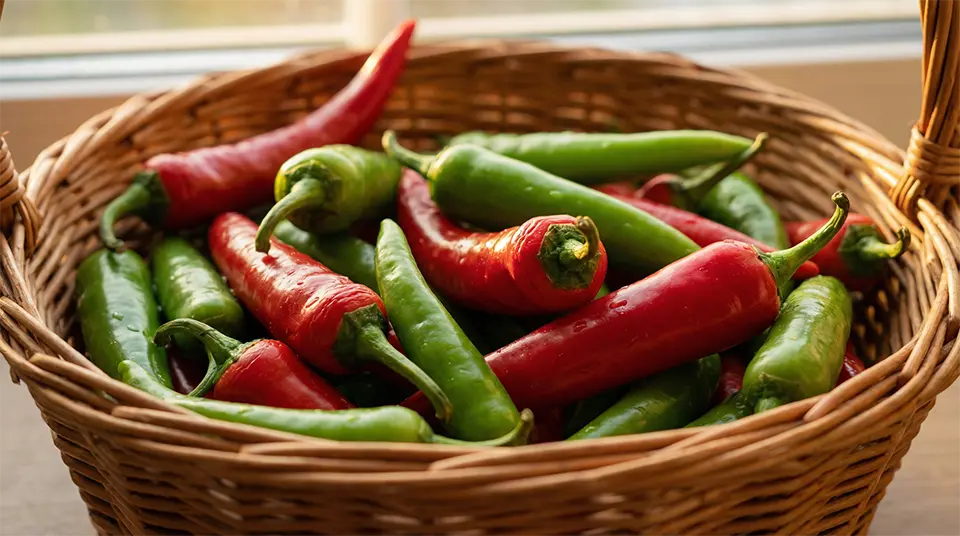
Myanmar’s agriculture sector is once again under scrutiny after Thai authorities detected multiple chemical and mould toxin residues in chilli peppers imported from Myanmar. According to a formal announcement by Myanmar’s Ministry of Agriculture, Livestock and Irrigation, laboratory tests on both dried and fresh chilli samples revealed the presence of Chlorpyrifos, Triazophos, Glyphosate, and—most concerning of all—the mould-derived toxin Aflatoxin.

Source: Wikimedia Commons, CC BY-SA 4.0
The findings affect shipments from 12 exporting companies, with 11 sending their products through the Myawaddy border quarantine station and one company through Mawtaung. For consumers in Thailand, this raises immediate concerns about food safety. For Myanmar’s exporters, it highlights a deeper and recurring challenge: inadequate agricultural oversight in a supply chain vulnerable to chemical misuse and fungal contamination.
From a Mold News perspective, this incident illustrates how environmental conditions, storage practices, and regulatory gaps can converge to create real public-health risks—particularly when mould toxins are involved. Aflatoxin is not just another spoilage marker; it is one of the most potent naturally occurring carcinogens known.
What the Laboratory Found: A Mix of Chemical and Biological Hazards
The Ministry confirmed that tests conducted on chilli samples revealed four categories of contamination:
Chlorpyrifos (pesticide)
A chemical banned or restricted in several countries due to neurotoxicity concerns.
Triazophos (pesticide)
An organophosphate insecticide linked to acute poisoning symptoms.
Glyphosate (herbicide)
One of the world’s most widely used weed killers, frequently scrutinized for its possible carcinogenicity.
Aflatoxin (mould toxin)
A fungal metabolite associated with liver cancer and severe foodborne illness.

Source: Wikimedia Commons, CC BY-SA 3.0
While pesticides and herbicides pose chemical risks, Aflatoxin represents a more complex challenge because it is biological, emerging from mould growth when crops are improperly dried, stored, or exposed to humidity.
The presence of both chemical residues and mould toxins suggests weaknesses in two areas of agricultural practice:
field-level chemical management, and
post-harvest storage and moisture control.
This dual contamination signals structural gaps rather than isolated accidents.
Aflatoxin: A Mould Toxin With Serious Public-Health Consequences
Aflatoxin is produced primarily by Aspergillus flavus and Aspergillus parasiticus, fungal species that thrive in warm, humid conditions common in Myanmar’s chilli-growing regions. These moulds colonize crops during growth or storage and can persist even after drying.

Source: Wikimedia Commons, CC BY-SA 3.0
Aflatoxin contamination is especially associated with:
peanuts
maize
turmeric
chillies
sunflower seeds
beans
Among these, chillies represent a high-risk product because their drying and storage process varies widely across farms, often relying on sun exposure and open-air handling—conditions that make consistent moisture control difficult.
Health experts warn that Aflatoxin risk increases significantly when temperatures remain high and harvested crops retain even minimal moisture. Once mould colonizes the chilli surface, toxins can accumulate quickly and invisibly, with no obvious signs of spoilage.
The health implications are severe:
chronic liver damage
increased risk of liver cancer
immune suppression
acute toxicity in high doses, especially for children
This underscores why importing countries enforce strict Aflatoxin limits and why repeated violations can lead to trade restrictions or bans.
Regulatory Response: Mandatory Laboratory Testing Before Export
In response to the contamination findings, Myanmar’s Ministry of Agriculture, Livestock and Irrigation issued a requirement that all chilli exporters must now submit product samples to the ISO-17025–certified Agricultural Produce Quality Testing Laboratory.
Only shipments that pass laboratory analysis will receive approval for export.
This step aims to standardize testing, reduce cross-border disputes, and reassure buyers of product safety. However, it also places increased responsibility on exporters to improve their internal quality-control systems.
From a policy perspective, this move is both necessary and overdue. Chilli exports are a major revenue source for Myanmar’s agricultural sector, and repeated food-safety incidents could damage trust in international markets—especially in Thailand, which is one of Myanmar’s most important trading partners for fresh and dried agricultural goods.
My Perspective: A Sign of Deeper Structural Issues
From the viewpoint of environmental health journalism, this incident exposes several systemic weaknesses that extend far beyond one batch of contaminated chillies.
- Inconsistent Chemical Regulation on Farms
- Vulnerable Post-Harvest Storage Practices
- Weak Traceability Systems
- Climate Pressure Exacerbating Fungal Risks
- Cross-Border Economic Incentives

Source: Wikimedia Commons, CC BY-SA 2.0
This combination makes mould toxins particularly difficult to manage, because they are not eliminated by washing or cooking. Prevention is the only effective strategy.
Why This Matters for Thailand and the Region
Thailand is not merely a passive importer—it is a country that relies on chilli products for its food industry, markets, and household consumption. When contaminated products enter the supply chain, the impact spreads quickly:
restaurant and food-processing sectors
retail markets
home kitchens
children’s meals
Additionally, repeated incidents can strain diplomatic trade relations and increase pressure for stricter border inspections, potentially slowing down agricultural commerce between ASEAN countries.
Beyond Thailand, this case highlights a broader Southeast Asian challenge: balancing export demand with safe agricultural practices in a region increasingly vulnerable to mould-driven toxins due to climate patterns.
Preventing Future Contamination: What Experts Recommend
To reduce future incidents, agricultural specialists emphasize several critical actions:
- Improved Drying Protocols
- Better Storage Infrastructure
- Farmer Training
- Routine Aflatoxin Screening
- Stronger Supply-Chain Accountability
If implemented effectively, these measures could elevate the safety and market reputation of Myanmar’s agricultural exports.

Source: Wikimedia Commons, CC BY-SA 3.0
References
CDC – Aspergillus, Mycotoxin Health Risks
FAO – Agricultural Chemical Management
According to THE NATION