According to THE SPRUCE
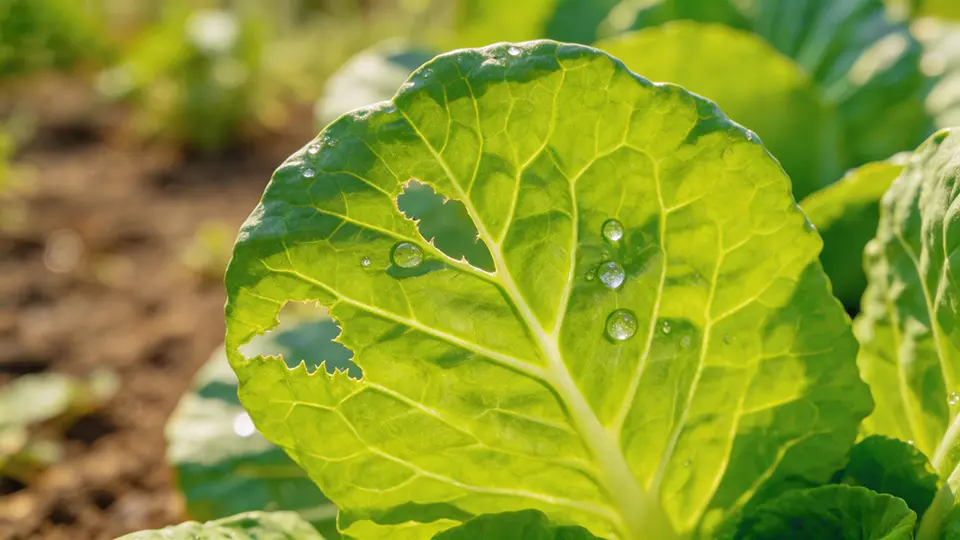
Gardeners often discover small holes appearing in the leaves of their plants and immediately suspect disease or poor plant health. However, horticulture experts note that in many cases these tiny holes are caused not by plant pathogens but by insects feeding on the foliage. According to gardening specialists, identifying the type of damage on plant leaves is the first step toward understanding what organism is responsible and how to manage the problem effectively.
Leaf damage is one of the most common concerns reported by home gardeners. Small holes can appear suddenly and may spread across multiple leaves, leaving plants looking unhealthy. Although the damage can appear alarming, it usually indicates the presence of herbivorous insects rather than a serious disease. These insects feed on plant tissues, leaving characteristic patterns that can help gardeners identify the culprit.
Common Insects That Create Small Holes in Leaves
A variety of insects are known for chewing small holes in leaves. Each insect tends to leave a slightly different feeding pattern, which horticultural experts use as clues during diagnosis.
One of the most common culprits is the flea beetle, a tiny jumping insect that feeds on leaves and produces numerous small round holes across the leaf surface. The damage often resembles leaves that have been peppered with tiny shot marks, which is why gardeners frequently describe it as “shot-hole” damage.

Source: Wikimedia Commons, CC BY-SA 3.0
Another insect frequently responsible for holes in foliage is the caterpillar, the larval stage of moths and butterflies. Caterpillars tend to chew larger irregular holes and may consume entire sections of leaves. Because caterpillars are often well camouflaged, they may remain hidden beneath leaves or within curled foliage while feeding.
Beetles also commonly damage plant leaves. Many beetle species feed on plant tissue, leaving holes that can vary in size and shape. Some beetles chew edges of leaves, while others feed from the middle of the leaf blade.

Source: Wikimedia Commons, CC BY-SA 3.0
Grasshoppers are another potential cause of leaf damage. These insects can create larger holes and ragged edges, especially on vegetable crops and ornamental plants. Unlike flea beetles, grasshoppers often remove larger portions of the leaf at once.
Earwigs, which are nocturnal insects, can also feed on plant leaves. Their feeding activity typically occurs at night, which means gardeners may only notice the resulting holes the following morning.
Recognizing Feeding Patterns
Experts emphasize that the shape and location of holes on leaves often provide valuable clues. For example:
- Numerous tiny holes scattered across leaves often suggest flea beetle activity.
- Larger irregular holes or partially eaten leaves may indicate caterpillars.
- Ragged leaf edges can signal feeding by grasshoppers or beetles.
- Damage appearing overnight may suggest nocturnal insects such as earwigs or slugs.
Understanding these patterns allows gardeners to distinguish insect damage from other issues such as fungal infections or environmental stress.
Environmental Conditions That Encourage Insect Feeding
The presence of leaf-eating insects is often influenced by environmental conditions. Warm temperatures and active plant growth periods can create ideal conditions for many insect species. During spring and summer, insect populations often increase rapidly as plants provide abundant food sources.
Gardens with dense plantings may also attract insects because they offer shelter and protection. Additionally, stressed plants—such as those suffering from drought or poor soil conditions—can sometimes be more susceptible to insect damage.
However, experts note that some level of insect feeding is a natural part of garden ecosystems. Many beneficial organisms rely on insect populations as a food source, and minor leaf damage rarely threatens overall plant health.
Natural Predators and Ecological Balance
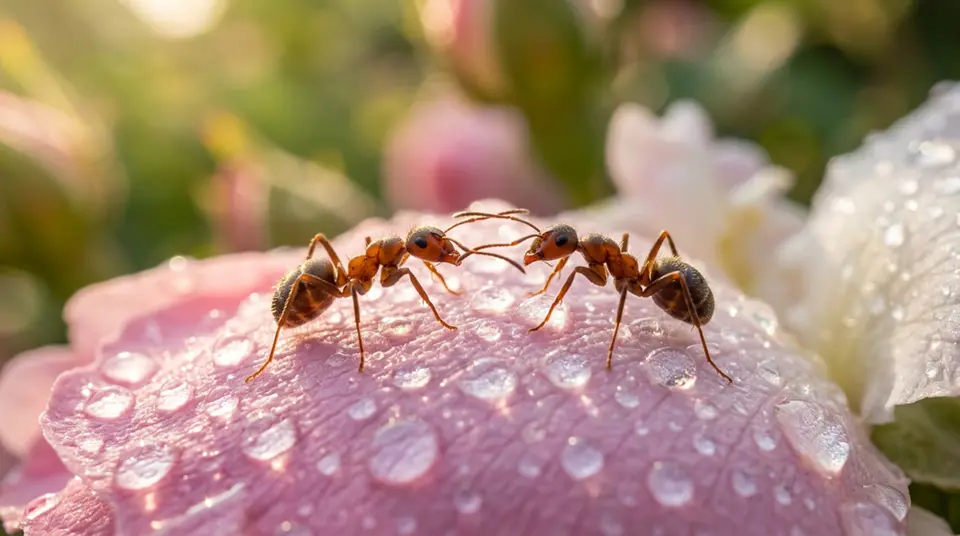
In many gardens, natural predators help control insect populations. Birds, predatory beetles, parasitic wasps, and spiders all contribute to keeping herbivorous insect numbers in check. Maintaining a diverse garden environment can encourage these beneficial species.
For example, planting a variety of flowering plants can attract pollinators and predatory insects that feed on pests. Avoiding excessive pesticide use can also help preserve beneficial organisms that naturally regulate pest populations.
Monitoring and Early Detection
Garden specialists recommend regularly inspecting plants for early signs of damage. Looking closely at the underside of leaves can often reveal insects or larvae before they cause significant damage.
Monitoring plants allows gardeners to detect pest activity early and determine whether intervention is necessary. In many cases, removing insects by hand or rinsing plants with water can reduce pest numbers without the need for chemical treatments.
Integrated Pest Management Approaches
Experts often recommend an Integrated Pest Management (IPM) approach when dealing with leaf-eating insects. This strategy focuses on combining multiple techniques to manage pests while minimizing environmental impact.
Key IPM strategies include:
- Regular plant inspection and monitoring
- Encouraging beneficial predators
- Removing insects manually when possible
- Maintaining plant health through proper watering and soil care
- Using targeted treatments only when necessary
These methods help maintain ecological balance while protecting plant health.
Distinguishing Insect Damage from Disease
Although insects are the most common cause of holes in plant leaves, gardeners should still consider the possibility of plant diseases. Some fungal infections can cause leaf spots that eventually fall out, leaving small holes that resemble insect damage.
However, fungal diseases usually produce additional symptoms such as discolored spots, fuzzy growth, or spreading lesions on leaves.
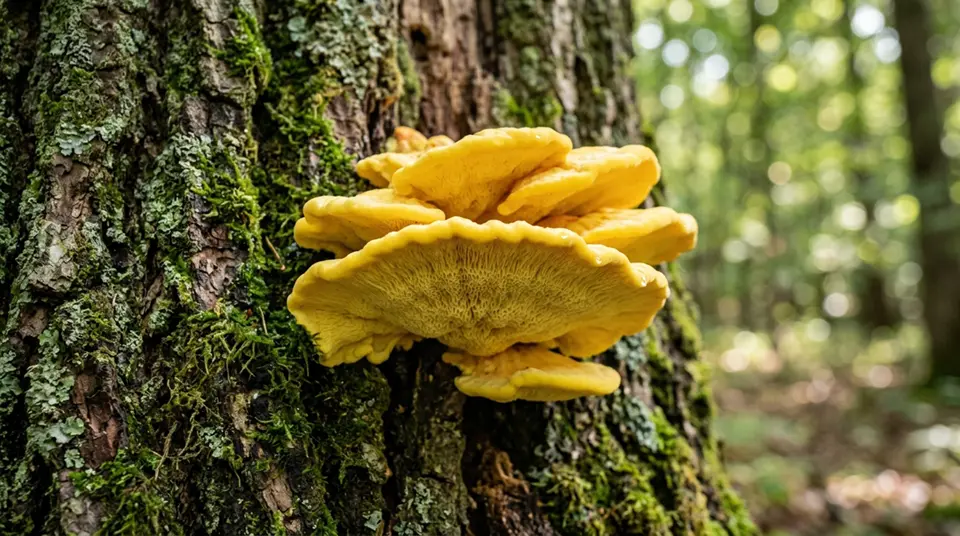
Common plant-associated fungi that may affect foliage include species such as Alternaria, Botrytis, Fusarium, and Aspergillus. These fungi typically cause spotting, blight, or rot rather than clean chewing holes.
Because the visual symptoms can sometimes overlap, accurate diagnosis is essential before applying treatments.
When to Take Action
In many cases, minor leaf damage does not require intervention. Healthy plants can tolerate small amounts of insect feeding without long-term harm. Garden experts generally recommend taking action only when pest populations become large enough to threaten plant survival or crop yields.
For ornamental plants, cosmetic damage may be acceptable if plant growth remains strong. For vegetable crops, gardeners may choose to intervene earlier to protect harvests.
Understanding a Natural Garden Process
Ultimately, small holes in plant leaves are often part of a natural ecological interaction between plants and insects. Rather than indicating serious disease, these marks typically reflect the presence of herbivorous insects feeding in the garden.
By carefully observing plant damage patterns and understanding the organisms involved, gardeners can make informed decisions about how to respond. Maintaining healthy plants and supporting beneficial wildlife remains one of the most effective long-term strategies for managing insect activity.
In modern gardening practices, the emphasis is increasingly placed on ecological balance rather than complete pest elimination. Recognizing the role of insects in garden ecosystems helps gardeners approach plant care with a more sustainable perspective.
References
U.S. Environmental Protection Agency (EPA). Integrated Pest Management Principles.
Capinera, J. (2008). Encyclopedia of Entomology. Springer.
According to THE SPRUCE