According to NEWSCIENTIST
Introduction: Seeing Fungi Anew
Fungi are often misunderstood—associated with rot, mildew, or at best, something edible on a pizza. But in Funga Obscura: Photo Journeys Among Fungi, ecologist and photographer Alison Pouliot invites us to see fungi differently—not just as decomposers or curiosities, but as deeply aesthetic, intricate beings woven into the fabric of life on Earth.
With over 30 years of experience studying fungi, Pouliot’s latest work shifts from data to drama, from taxonomic study to visual storytelling. Her goal? To challenge our ideas of what fungi are—and to reveal how enchanting and bizarre they can truly be.
The Birth of Funga Obscura
In this deeply personal project, Pouliot turns her lens toward the overlooked and underappreciated fungal world. Her book is not just a collection of photographs but a meditation on beauty, time, and transformation in the natural world.
“I guess I was trying to challenge people’s notions of what a fungus is,” she says. “Many of them are aesthetically beautiful. But they are also bizarre, unusual and crazy.”
From the structural to the ephemeral, Funga Obscura showcases fungi not as background players, but as stars in their own strange and delicate ecosystems.
The Stars of the Show: Cage Fungus and the Velvet Caps
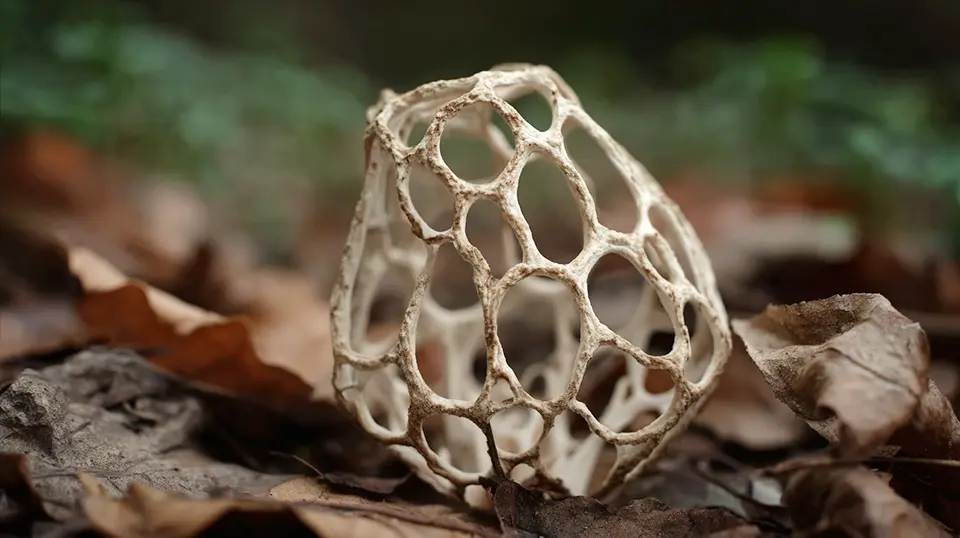
Among the stunning cast of mushrooms in Funga Obscura, one of the most talked-about is the cage fungus (Clathrus ruber). This vibrant red, lattice-like structure looks like a mutant sculpture rather than a mushroom. It actively emits a foul odor to attract flies, which in turn spread its spores.

Source:Wikimedia Commons, CC BY-SA 3.0
Another standout is the violet webcap (Cortinarius violaceus), loved not just for its bold color, but also its texture. “It’s exquisitely soft,” Pouliot explains, likening its cap to velvet.

Source:Wikimedia Commons, CC BY-SA 3.0
The Beauty of the Battered: The Giant Bolete
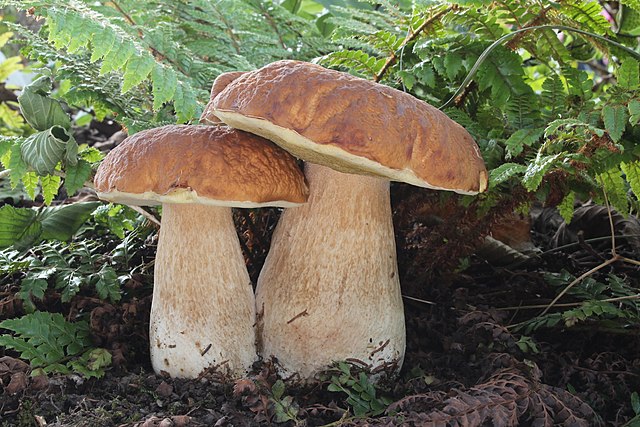
Even the less pristine fungi get a moment in the spotlight. The giant bolete (Boletus edulis)—though worn and weathered—becomes a symbol of resilience. For Pouliot, this aging specimen tells a story of survival, a quality fungi embody with quiet persistence.
Source:Wikimedia Commons, CC BY-SA 3.0
Ephemeral Lives: The Small and Fleeting
Some of Pouliot’s most poignant images are of mushrooms so small and transient they might vanish within hours. The Mycena bonnet (Mycena) is captured in a moment of delicate vulnerability.

Common name: pixie’s parasol.
Source:Wikimedia Commons, CC BY-SA 3.0
Nearby, a button-sized, unnamed fungus nestled in moss reminds us how much remains undiscovered and unnamed in the fungal world.
Aesthetic Meets Ecology
What makes Pouliot’s work stand out is the marriage of science and art. Her deep understanding of fungal ecology informs her images, creating not just visually striking pictures, but informed meditations on fungal life.
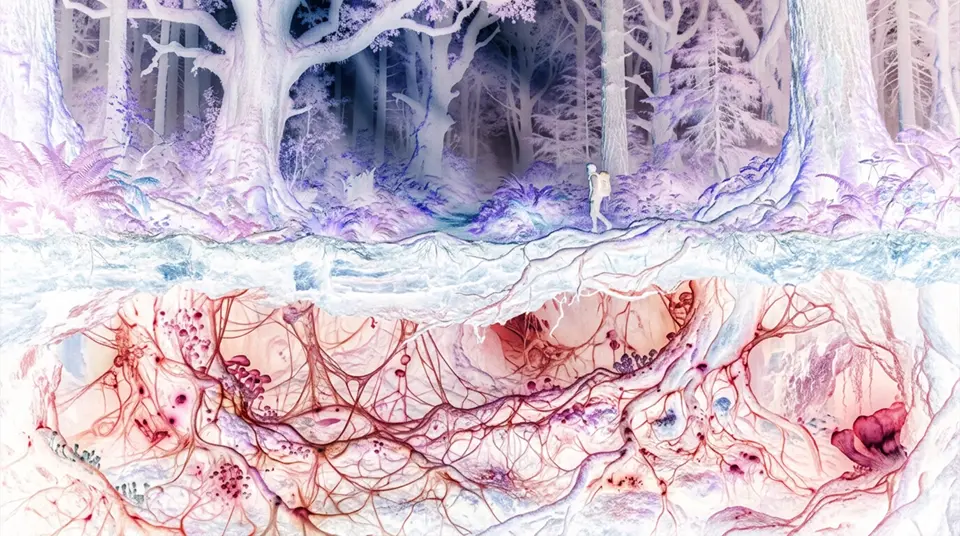
Her photos remind us that fungi are not outliers, but crucial connectors. They recycle nutrients, form mycorrhizal partnerships with plants, and knit ecosystems together underground.
And yet, they remain largely unseen.
The Underdogs of the Natural World
In Funga Obscura, mushrooms step out of the shadows. Through her lens, we see that fungi can be comical, tragic, seductive, or eerie. From squat toadstools to jelly-like globules and translucent filaments, Pouliot presents them as actors in nature’s theatre—each one with its own personality and tale.
This reframing asks us to reconsider our relationships with all forms of life—especially those that are quiet, slow, or hidden.
The Human Connection: Seeing What We’ve Overlooked
What do we miss when we forget fungi?
Pouliot’s work reminds us that wonder often lives just below the surface. By crouching down, focusing the camera, and spending time where most people don’t look, she gives voice to an overlooked kingdom.
Funga Obscura is not just a guide to mushrooms. It’s a philosophy. A call to pay attention. A whisper that maybe the world is stranger, more interconnected, and more beautiful than we ever thought.
The Importance of Fungal Awareness
Beyond beauty, there’s urgency in this work. Fungi are essential to life on Earth, yet they’re vulnerable to climate change, pollution, and habitat loss. Few fungal species are protected, and fungal conservation remains in its infancy.
Books like Funga Obscura not only open our eyes—they open doors for dialogue, appreciation, and action.
The Artist’s Voice
Pouliot’s photographs speak for fungi—but so does her passion.
This is someone who has spent decades not just photographing mushrooms, but crawling beside them, studying their life cycles, their roles in soil regeneration, their aesthetics.
“If you sit with them long enough, they reveal themselves. But you have to be still enough to see.”
Rediscovering the Kingdom of Fungi
From the alien architecture of the cage fungus to the velvet softness of the violet webcap, from weathered boletes to fleeting Mycenas—Pouliot reframes fungi as protagonists in the grand story of Earth.
It reminds us that life is not just what blooms, but also what decomposes. Not just what we build, but what breaks down and nourishes anew.
In her lens, fungi are no longer background—they are the main characters.
References
- Pouliot, A. (2023). Funga Obscura: Photo Journeys Among Fungi. CSIRO Publishing.
- Alison Pouliot – Official Website
- Clathrus ruber – Wikipedia
- Cortinarius violaceus – Wikipedia
- Boletus edulis – Wikipedia
- Mycena – Wikipedia
According to NEWSCIENTIST