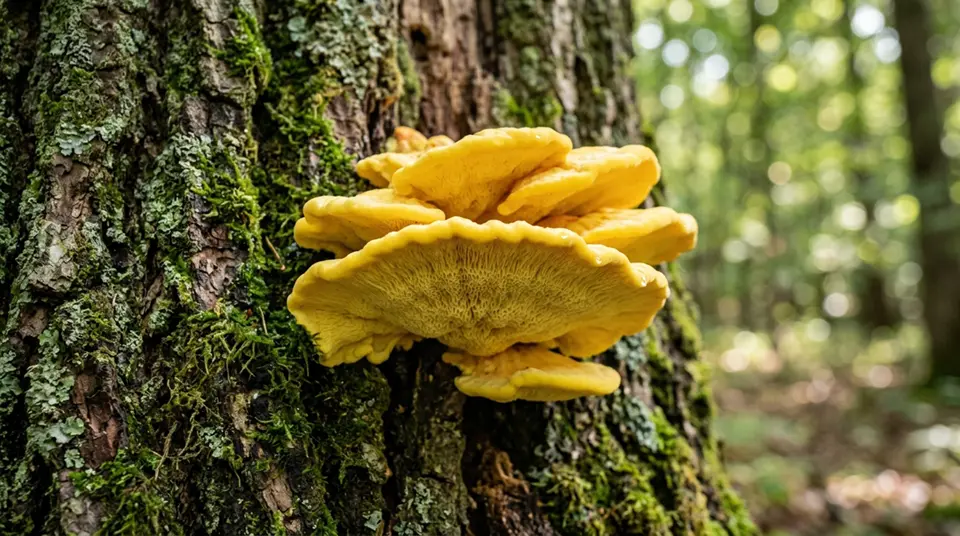
According to SCIENCE ALERT
A wide range of scientific developments reported this week illustrates how advances across biology, chemistry, medicine, and environmental science continue to reshape understanding of the natural world. Among these findings, one of the most notable is the successful synthesis of a fungal compound with potential anti-cancer properties—an achievement that comes more than half a century after the compound was first isolated.
Together, these studies demonstrate how modern tools are allowing researchers to revisit long-standing scientific questions, validate earlier hypotheses, and uncover new applications with implications for human health and environmental sustainability.

Source: Wikimedia Commons – File:Fungus_petri_dish.jpg, CC BY-SA 3.0
A Fungal Anti-Cancer Compound Synthesized After 55 Years
One of the most significant breakthroughs reported this week is the successful laboratory synthesis of a complex fungal compound with potential anti-cancer activity. Originally isolated more than 55 years ago, the compound remained largely inaccessible due to the extreme difficulty of reproducing its chemical structure.
Researchers from leading academic institutions report that recent advances in synthetic chemistry finally made it possible to construct the molecule in the laboratory. This achievement not only allows scientists to study the compound’s biological activity in detail, but also enables the creation of modified versions that may improve effectiveness or reduce toxicity.
Experts emphasize that this does not represent an immediate cancer treatment. Instead, it marks a critical step in understanding how fungal metabolites interact with cancer cells and how they might be developed into future therapeutics.
Why Fungal Compounds Matter in Cancer Research
Fungi are increasingly recognized as a rich source of medically valuable molecules. Many fungal species produce secondary metabolites that evolved as defense mechanisms but also interact powerfully with human biological pathways.
Historically, fungal compounds have led to major medical breakthroughs, including antibiotics and immunosuppressive drugs. The successful synthesis of this long-studied anti-cancer compound reinforces the idea that fungi remain an underexplored reservoir of potential cancer therapies.
Researchers note that modern synthetic techniques now make it possible to revisit compounds that were previously considered impractical to study, reopening avenues that had been closed for decades.
Intermittent Fasting Study Raises New Questions
Another study reported this week examined the health effects of intermittent fasting. In a small trial, researchers found that certain forms of time-restricted eating had limited impact on metabolic and cardiovascular health indicators.
The findings suggest that overall calorie reduction, rather than the timing of meals alone, may be the primary driver behind observed health benefits. Scientists caution that larger and longer-term studies are needed, but the results challenge popular assumptions about intermittent fasting as a standalone health strategy.
This research highlights the importance of distinguishing between dietary trends and evidence-based outcomes.

Source: Wikimedia Commons – File:Intermittent_fasting.svg, CC BY-SA 4.0
Mosquitoes as Unexpected DNA Libraries
In a discovery that echoes popular culture, scientists found that mosquitoes can carry genetic material from a wide range of animals in their blood meals. By analyzing mosquito samples, researchers identified DNA from dozens of vertebrate species, demonstrating that mosquitoes effectively act as mobile collectors of environmental genetic information.
The findings suggest that mosquito sampling could complement traditional wildlife surveys, particularly in dense or hard-to-access environments. Researchers stress that this method does not replace direct observation but offers a new tool for biodiversity monitoring.

Source: Wikimedia Commons – File:Mosquito_closeup.jpg, CC BY-SA 3.0
A Rare Golden Shark and Genetic Variation
Marine researchers also reported on a striking golden-colored shark observed off Central America. Detailed analysis revealed that the animal exhibits a rare pigmentation condition known as albino-xanthochromism.
Scientists are investigating whether this is an isolated genetic anomaly or part of a broader pattern influenced by environmental or genetic factors. The case provides insight into how pigmentation traits arise and persist in wild populations and highlights the natural variability within marine species.

Source: Wikimedia Commons – File:Nurse_shark.jpg, Public Domain (PD-USGov-NOAA)
Targeting Bacterial Communication to Protect Oral Health
Another study focused on oral health, exploring how disrupting bacterial communication—often referred to as “quorum sensing”—could reduce the risk of tooth decay and gum disease.
Researchers found that interfering with the chemical signals bacteria use to coordinate behavior may help maintain a healthier balance of microorganisms in dental plaque. This approach differs from traditional antibacterial treatments by aiming to manage microbial communities rather than eliminate them entirely.
The findings point toward potential new strategies for preventing oral disease without contributing to antibiotic resistance.
Removing Microplastics From Laundry Wastewater
Environmental scientists reported the development of a new filter inspired by filter-feeding fish. The device is capable of removing up to 99% of microplastics from wastewater produced during laundry cycles.
Microplastics released from synthetic fabrics are a major source of environmental pollution. By capturing these particles before they enter wastewater systems, the filter offers a practical mitigation strategy that could be integrated into household appliances.
Researchers note that while such technologies will not solve plastic pollution alone, they represent an important step in reducing emissions at the source.
A Common Thread: Revisiting Old Problems With New Tools
Across these diverse studies, a recurring theme emerges: many breakthroughs come from reexamining long-standing scientific questions with modern techniques. Whether synthesizing a decades-old fungal compound, reevaluating dietary practices, or finding new uses for mosquito DNA, researchers are building on past knowledge rather than discarding it.
This approach underscores the cumulative nature of science, where progress often depends on patience, persistence, and technological innovation.
Implications for Health and the Environment
The synthesis of the fungal anti-cancer compound stands out for its potential long-term impact on medicine. While clinical applications remain distant, the work expands the pipeline of candidate molecules and reinforces the value of natural products in drug discovery.
At the same time, advances in environmental monitoring, pollution reduction, and microbial management highlight how scientific research continues to address complex global challenges through incremental but meaningful progress.
Conclusion
This week’s scientific developments span a wide range of disciplines, yet collectively demonstrate how modern research is reshaping understanding of health, biodiversity, and the environment. The successful synthesis of a long-elusive fungal compound with anti-cancer potential exemplifies how persistence and technological progress can unlock discoveries decades in the making.
As research continues, such interdisciplinary advances are likely to play an increasingly important role in addressing future medical and environmental challenges.
References
ScienceAlert, 2026. This Week in Science: Anti-Cancer Fungal Compound, a Golden Shark, And More!
According to SCIENCE ALERT