According to THE MIRROR US
Bread’s Biggest Enemy Isn’t Time—It’s Storage
In many households, bread is more than food—it’s comfort, culture, and a daily ritual. Yet for all its simplicity, one of bread’s enduring challenges is keeping it fresh. Few things are as disappointing as reaching for a soft slice only to find green spots or a sour smell clinging to the crust.
But what if preventing mold and prolonging freshness didn’t require fancy gadgets or chemical preservatives? What if the secret was hiding in your kitchen drawer all along?
The Secret Weapon: A Cotton Tea Towel
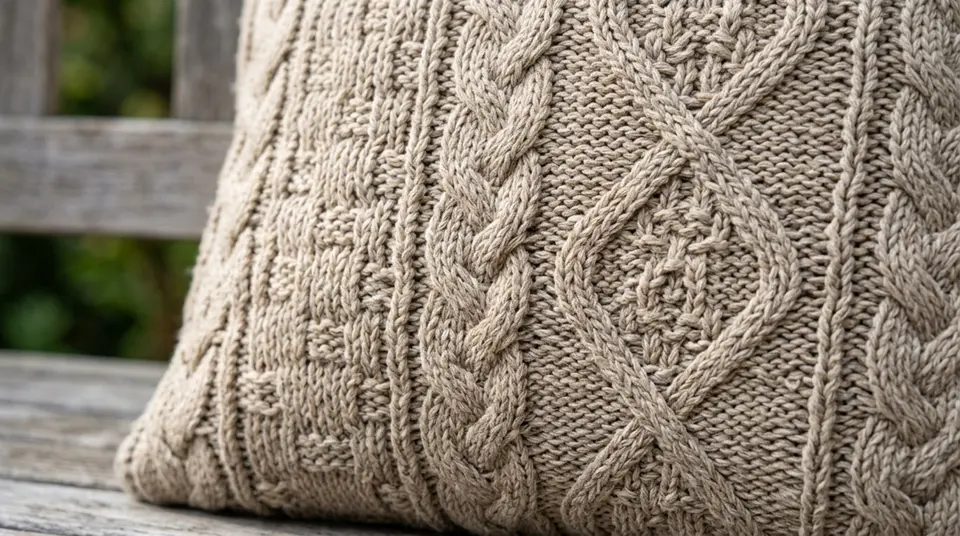
Mimi Morley, Senior Recipe Developer at HelloFresh, offers a remarkably effective solution: wrap your bread in a clean, dry cotton tea towel. That’s it.
The reason this works lies in how mold forms. Bread mold—most often Rhizopus stolonifer, the familiar fuzzy black or green growth—is triggered by warmth, moisture, and limited airflow. A tea towel acts as a breathable barrier. It allows excess moisture to escape, preventing sogginess that breeds mold, while still retaining enough humidity to keep the loaf from drying out too quickly.

Source: Wikimedia Commons, CC BY-SA 3.0
The Science Behind the Cloth
Cotton is a natural fiber that permits air circulation—something plastic wrap or sealed bags block entirely. When bread is wrapped in plastic, especially while still warm, condensation forms inside. That trapped moisture turns your loaf into the perfect home for mold spores already floating invisibly in the air.
The tea towel solves this by being both protective and porous. It absorbs minimal surface moisture while allowing the bread to breathe. That means:
- Crust stays crisp
- Interior remains soft
- Mold has fewer conditions to thrive
This technique is especially effective for artisanal or sourdough loaves, which often lack commercial preservatives and are more susceptible to early spoilage.

Source: Wikimedia Commons, CC BY-SA 3.0
Expert-Backed Bread Storage Tips
Morley offers more than just the towel tip. She also explains location matters just as much. Bread should always be stored in a cool, dark, and dry place—ideally inside a bread bin or cabinet away from appliances like dishwashers or refrigerators.
Why? These appliances emit heat and humidity, which can unintentionally “cook” your bread, making it stale or soggy faster.
Here are the main takeaways from her advice:
- Never store bread near heat sources
- Let fresh bread cool before wrapping
- Keep it in breathable materials, not sealed plastic
- Avoid the fridge—bread dries out faster there
Why the Fridge Is Bread’s Worst Enemy
It’s a common belief that refrigeration preserves freshness. That might be true for produce or dairy—but not for bread.
The refrigerator speeds up a process called starch retrogradation, which means the starch molecules re-crystallize. This causes the crumb (the soft interior) to firm up and go stale even before mold sets in. You’re left with a loaf that’s hard on the inside and tasteless.
Unless you plan to toast it, keeping bread in the fridge often accelerates staleness, defeating the purpose of preservation.

Source: Wikimedia Commons, CC BY-SA 4.0
The Freezer: Your Long-Term Ally
If you won’t finish a loaf within a few days, the freezer is your best option. Here’s how to do it right:
- Let bread cool completely before freezing
- Wrap tightly in plastic wrap, then foil or freezer-safe bags
- Label with date to track shelf life (generally up to 3 months)
- Freeze in slices so you can toast directly from frozen
- Avoid freezer burn by removing excess air before sealing
This method halts microbial activity entirely—no mold, no staling.

Source: Wikimedia Commons, CC BY-SA 4.0
Other Simple Ways to Keep Bread Fresh
Aside from the tea towel, here are several other tried-and-true methods for prolonging bread’s life:
A. Use a Bread Bin
A classic solution, bread bins offer protection from light while maintaining slight airflow. Choose one made from bamboo, metal, or ceramic with ventilation holes.
B. Wrap in Paper or Linen
These materials also allow the loaf to “breathe” without locking in too much moisture.
C. Slice as You Go
Cutting the loaf only when needed preserves the remaining bread’s structure and moisture balance.
D. Avoid Sunlight
Sun can heat the bread’s surface, encouraging condensation inside bags and containers.
How to Spot Mold and When to Toss Bread
Bread mold starts subtly—tiny white or green dots, a soft texture shift, or a sour smell. But even a small patch is a warning.
Never cut mold off and eat the rest. Mold filaments (hyphae) spread deeply into the bread even before visible spots appear. Rhizopus stolonifer and other species may also produce mycotoxins, which can be harmful if ingested.
Signs it’s time to toss:
- Discoloration (green, black, blue, or white fuzz)
- Musty or sour odor
- Wet or sticky texture on inner crumb
Why Bread Spoils So Quickly
Unlike sealed snacks or canned goods, bread is:
- Moist
- Exposed to air
- Free of chemical preservatives (in the case of artisanal loaves)
Its shelf life is short—2 to 5 days at room temp, depending on ingredients and conditions. That’s why how you store it is just as important as where.
A Zero-Waste Bonus: What to Do with Stale (Not Moldy) Bread
Before tossing out old bread, consider giving it a second life. If it’s dry but not moldy, try:
- Making breadcrumbs in a food processor
- Turning it into croutons with a little oil and seasoning
- Creating bread pudding
- Toasting it for crostini or bruschetta
With a bit of creativity, even yesterday’s loaf can shine in today’s meal.
Simple Solutions Still Work
There’s something almost charming about the fact that the answer to a modern frustration—keeping bread fresh—is not found in a gadget or app, but in a cloth your grandmother likely used.
As someone who writes often about sustainability and home living, I believe this tea towel trick is not just functional—it’s a return to common sense. It respects the food, reduces waste, and costs nothing. In an era of rising food prices and climate awareness, such habits matter.
It’s a quiet reminder that sometimes the best answers are the simplest ones. In this case, the softness of a fresh slice and the absence of mold can be owed to the humble tea towel.
Wrap with Intention, Eat with Joy
Bread is more than food—it’s memory, ritual, and nourishment. Keeping it fresh doesn’t require fancy tools or expensive storage—just a breathable cloth, a cool cupboard, and a bit of foresight.
With this tea towel method, you can enjoy your bread longer, avoid waste, and sidestep the heartbreak of moldy loaves. All while turning a daily routine into something a little more thoughtful—and delicious.
References
- HelloFresh – Recipes & Tips
- Rhizopus stolonifer – Wikipedia
- WHO – Dampness and Mould Fact Sheet
- NHS – Asthma
- NCBI – Mycotoxins Overview
- USDA – Food Safety Basics
According to THE MIRROR US
You can’t see it — but it may already be active.
Check your environment