According to THE GUARDIAN
Cranbrook, Kent — September drifts in with a familiar palette: fading greens, low golden light, and the damp, musky scent of the forest preparing to shed its summer skin. It’s a moment of quiet anticipation. For mushroom lovers like myself, this is not merely the changing of seasons—it’s the rising curtain on nature’s most flavorful performance.
I’ve learned over the years that in certain woods, autumn doesn’t announce itself with color, but with smell. A visceral, unmistakable perfume of decay rising through the trees. Today, that smell is laced with something more pungent—a note of putrefaction that stops me mid-step, my forager’s basket swaying in one hand.
This, I know, is no ordinary woodland scent. This is the calling card of Phallus impudicus—the common stinkhorn.
A Mushroom of Myth and Misunderstanding
The stinkhorn is a creature of contradiction. Visually explicit, olfactorily offensive, yet ecologically ingenious. Most people recoil at its scent—a revolting aroma reminiscent of carrion or rotting onions. But for me, and a small sect of mycophiles, that stink is a signal: the mycelial world is at work, breaking down summer’s end into the fertile promise of next spring.
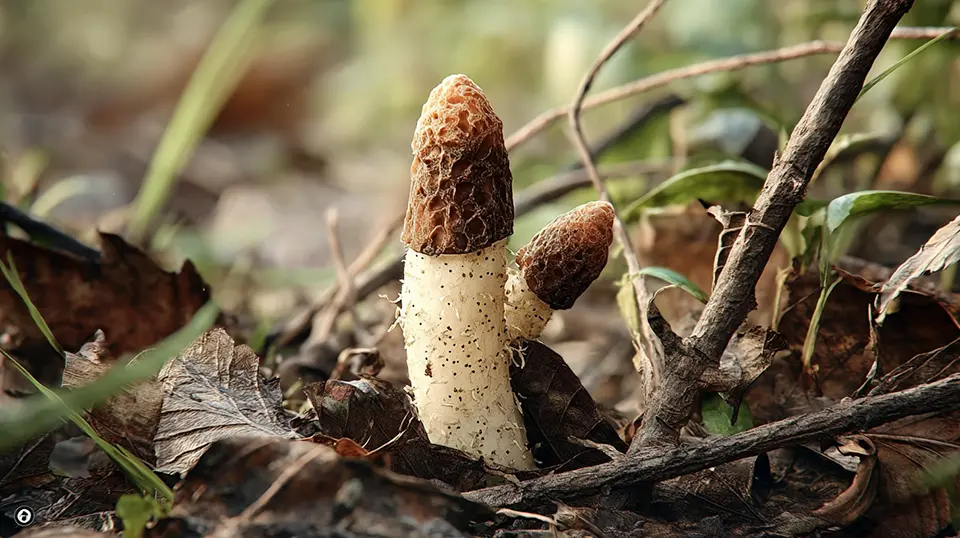
When I finally spot one pushing brazenly through the bracken, it does not disappoint. Its phallic shape, coated in a shiny, brown gleba, is both surreal and oddly mesmerizing. Flies buzz around it in an ecstatic dance, drawn by the putrid smell that mimics decomposing flesh. Nature’s design here is brilliant—the flies pick up fungal spores and carry them elsewhere, fulfilling the stinkhorn’s reproductive mission.

Source: Wikimedia Commons, CC BY-SA 3.0
From Witch’s Egg to Vegan Delight
While the mature stinkhorn earns gasps and gags in equal measure, few know that its culinary reputation is quietly undergoing rehabilitation. Traditionally, it has been consumed at the “witch’s egg” stage—before it bursts forth into its infamous form. In this embryonic state, encased in a gelatinous sac, the stinkhorn bears a texture and flavor surprisingly reminiscent of radish or mild garlic.
However, my interest lies beyond novelty. Over years of experimentation, I’ve found that drying and powdering the fully grown stinkhorn yields a complex umami profile—akin to well-aged beef. The savory depth it brings to plant-based stews and gravies is revelatory. Vegan dishes often struggle with that elusive “meaty” richness. This mushroom, foul in scent but rich in molecular savoriness, solves that challenge elegantly.
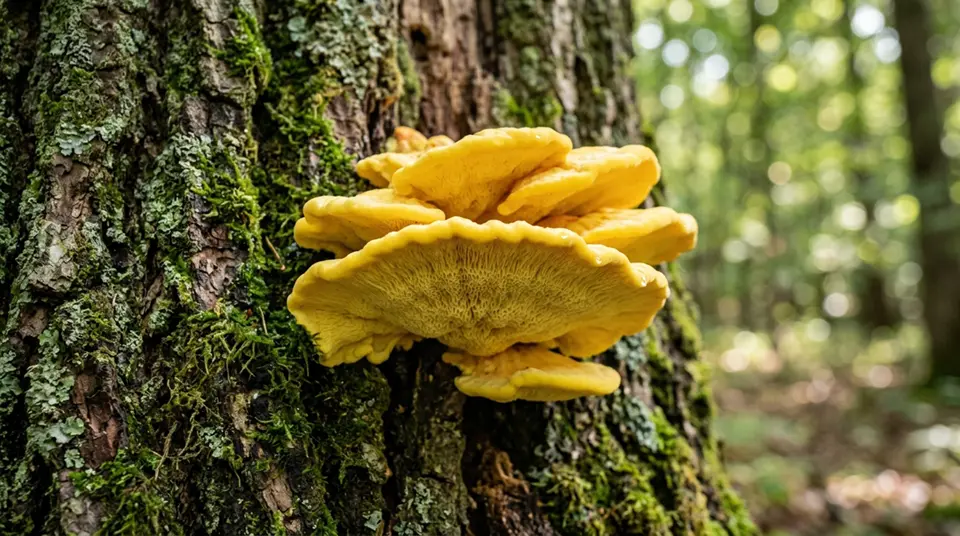
And so, beneath the autumn canopy, I gather my lone specimen with care. There are other mushrooms that fill my basket—chanterelles, blewits, hedgehogs—but this stinkhorn will be the quiet star in my next broth, its funk tamed and transformed by heat and patience.

Source: Wikimedia Commons, CC BY-SA 3.0
Ecological Role and Public Misconception
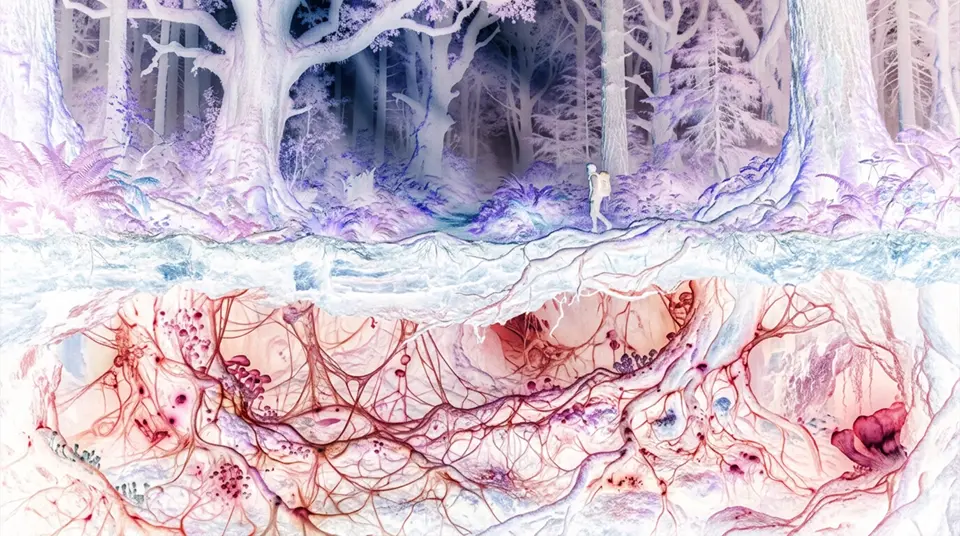
Despite its edible potential, the stinkhorn remains misunderstood. Gardeners often yank them up in horror. Hikers wrinkle their noses and walk faster. But stinkhorns, like many saprotrophic fungi, are crucial players in forest health. They break down lignin and cellulose, recycling dead plant matter into fertile soil. Their presence is not a problem—it’s a sign of life finding new paths through decay.
Still, stigma lingers. Perhaps it’s the name. Perhaps the smell. Or perhaps it’s the visual that Victorian botanists so accurately captured in its Latin title: “shameless phallus.”
But there’s a kind of punk defiance in this mushroom’s biology. It doesn’t beg for acceptance. It simply erupts, performs its function, and collapses—leaving the forest just a little richer for its performance.
A Reflection in Decay
Autumn, after all, is the season of slow fading. Trees shed what no longer serves them. The light thins, the air cools. And in the undergrowth, fungi rise—not in spite of the death around them, but because of it. The stinkhorn, in all its provocative glory, reminds me that rot is not the end of the story. It is transformation made visible. It is flavor, fertility, and fungus—shameless, unapologetic, and, to the brave, unforgettable.

Source: Wikimedia Commons, CC BY-SA 3.0
References
- Phallus impudicus – Wikipedia
- Stinkhorn fungi – Phallaceae
- Mycology – Wikipedia
- Saprotrophic fungi – Wikipedia
- Umami – Wikipedia
- Chanterelle – Wikipedia
- Blewit mushroom – Wikipedia
- Hedgehog mushroom – Wikipedia
According to THE GUARDIAN