According to frontiersin
Hidden Beneath the Mangrove Forest
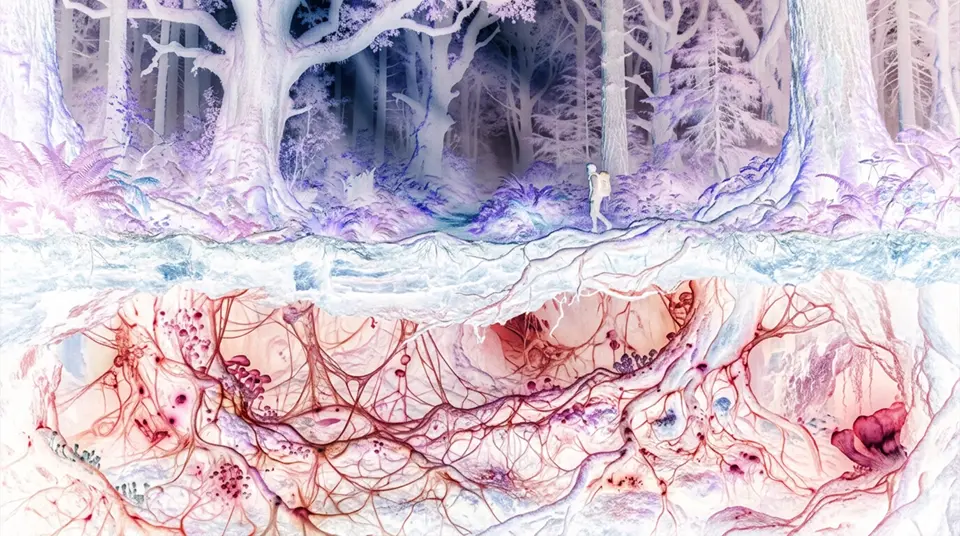
Mangrove forests are often recognized for their tangled roots, rich biodiversity, and ability to shield coastlines from storms. Yet beneath the mud and within decaying wood exists another critical layer of life: fungi. A recent educational report explores how mangrove fungi quietly sustain entire coastal ecosystems through decomposition, nutrient recycling, plant protection, and carbon storage.
Although mostly invisible to the human eye, these microorganisms are among the most important organisms supporting mangrove survival and environmental stability.

Mangroves as Coastal Defense Systems
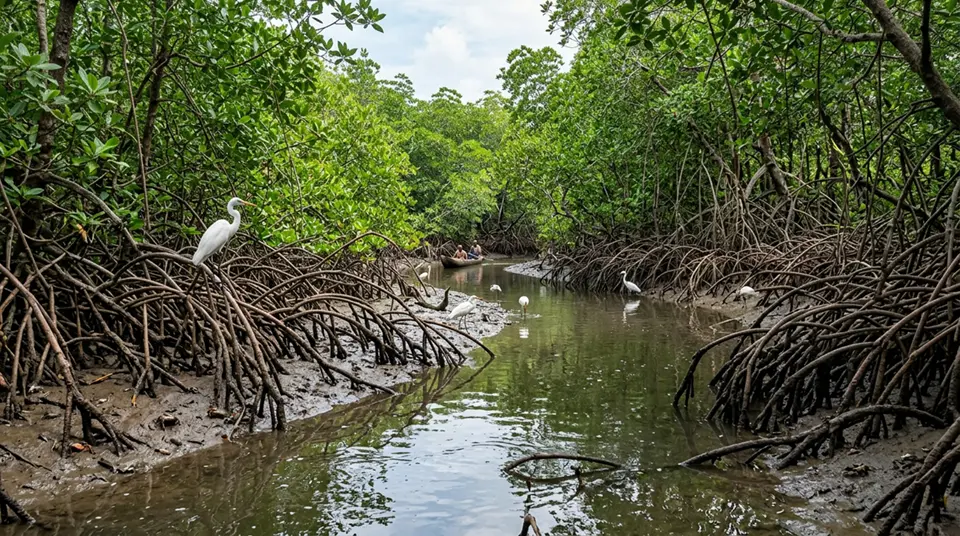
Mangroves grow along tropical and subtropical coastlines where rivers meet the sea. Their dense root systems stabilize sediment, reduce coastal erosion, and weaken the force of waves and storms.
These ecosystems also serve as nurseries for fish, shrimp, crabs, birds, and numerous marine species. Young aquatic animals often rely on mangrove habitats during early stages of life before moving into open ocean environments.
The report emphasizes that fungi are deeply integrated into this ecological network, functioning as unseen workers that help maintain the entire system.
Fungi as Nature’s Recycling Team
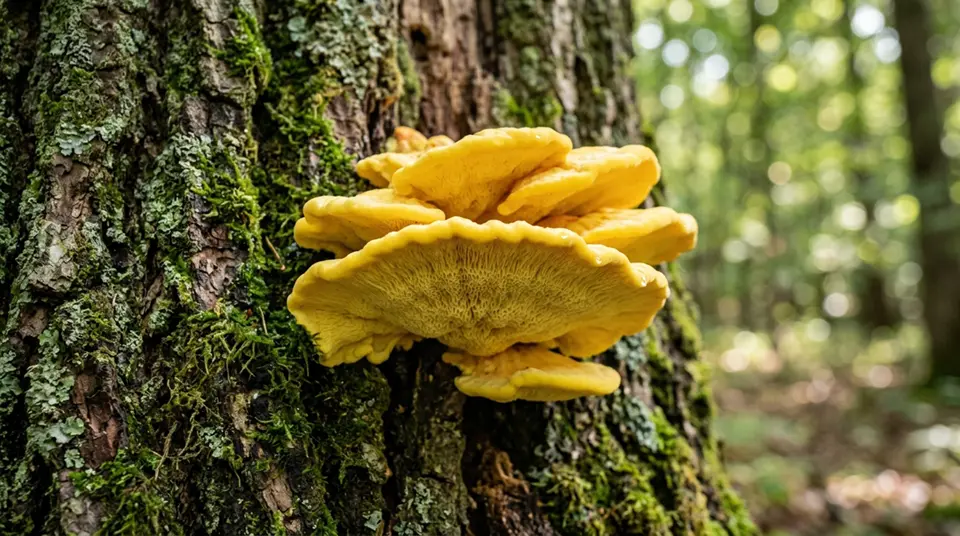
One of the primary functions of mangrove fungi is decomposition. Fallen leaves, branches, roots, and dead plant material accumulate continuously within mangrove environments. Without fungi, this organic matter would build up rapidly and disrupt ecological balance.
Fungi break down this material using enzymes, converting dead organic matter into nutrients that can be reused by plants and other organisms. This recycling process supports the nutrient cycle that sustains mangrove forests.
The decomposition process also enriches the muddy soil, helping it retain water and nutrients essential for plant growth.

Underground Partnerships with Mangrove Trees
Some mangrove fungi form symbiotic partnerships with tree roots through structures known as mycorrhizae. In these relationships, fungi help plants absorb water and minerals such as phosphorus and nitrogen from the soil.
In return, mangrove trees provide fungi with sugars produced during photosynthesis. This mutually beneficial exchange improves plant resilience, especially in stressful coastal environments with high salinity and fluctuating water levels.
The report compares this fungal support system to a natural “vitamin boost” for mangrove trees.
Carbon Storage and Climate Protection
Mangrove ecosystems are increasingly recognized as important carbon storage environments. Their soils trap large amounts of carbon that would otherwise enter the atmosphere as greenhouse gases.
Fungi contribute significantly to this process by helping stabilize organic material within sediment. Through decomposition and nutrient cycling, they assist in locking carbon into the muddy soil for long periods.
Scientists estimate that mangroves can store substantially more carbon per area than many terrestrial forests, making them important allies in climate regulation.
Fungi That Protect Against Disease
The report also explains that some fungi produce compounds capable of protecting mangrove plants from harmful microbes and disease-causing organisms.
Species such as Trichoderma can suppress harmful microorganisms in the soil, helping maintain healthier plant communities. Other fungi produce natural antibiotics and antifungal compounds that contribute to ecological balance within the mangrove environment.
These microbial interactions help reduce disease pressure and strengthen overall ecosystem resilience.

Cleaning Polluted Water Naturally
Mangrove fungi may also assist in filtering pollutants from coastal water systems. Certain fungal species can break down harmful chemicals and help reduce contamination levels within sediment and water.
This natural filtration process benefits fish, crustaceans, and other aquatic life dependent on healthy coastal habitats. Cleaner mangrove systems also help protect nearby coral reefs and seagrass ecosystems connected to coastal waters.
Extraordinary Fungal Diversity
The report highlights several fungal genera commonly found in mangroves, including Aspergillus, Penicillium, Fusarium, and Trichoderma. Each group performs different ecological functions.
Aspergillus and Penicillium help decompose plant material and recycle nutrients. Fusarium includes species that may either support plant growth or contribute to disease, depending on environmental conditions. Trichoderma is widely recognized for beneficial interactions with plant roots and biological protection against harmful microbes.
Scientists continue discovering new fungal species in mangrove ecosystems, suggesting that fungal diversity remains far from fully understood.
Adaptation to Harsh Coastal Conditions
Mangrove fungi survive in challenging environmental conditions characterized by saltwater, fluctuating oxygen levels, heat, and moisture changes. Their ability to function in such environments demonstrates remarkable biological adaptability.
Some species remain active during wetter seasons, while others thrive in drier conditions. This constant microbial activity ensures that decomposition and nutrient cycling continue throughout the year.
Threats to Mangrove Ecosystems
Despite their ecological importance, mangrove systems face growing threats from pollution, coastal development, shrimp farming, deforestation, and climate change.
When mangroves are destroyed, fungal communities disappear as well. This loss disrupts nutrient cycles, reduces carbon storage capacity, and weakens ecosystem resilience against storms and environmental change.
The report emphasizes that protecting fungi is inseparable from protecting mangrove forests themselves.
A Hidden Foundation of Coastal Life
The findings highlight fungi as foundational components of coastal ecosystems rather than secondary organisms. Their activities influence soil formation, plant growth, carbon storage, biodiversity, and water quality simultaneously.
Without fungi, mangrove ecosystems would struggle to sustain the complex web of life that depends on them.
Looking Ahead
As scientific understanding of fungi expands, researchers increasingly recognize the importance of microbial ecosystems in environmental conservation. Mangrove fungi represent a hidden but essential biological force supporting some of the planet’s most productive coastal habitats.
The report ultimately illustrates that even the smallest organisms can have enormous ecological influence. Protecting these microscopic guardians may be critical for preserving biodiversity, stabilizing coastlines, and strengthening resilience against future environmental challenges.
References
Alongi D.M. (2014). Carbon Cycling and Storage in Mangrove Forests. Annual Review of Marine Science.
According to frontiersin