According to NATIONAL GEOGRAPHIC
For decades, infectious disease experts have focused their attention on viruses and bacteria—the pathogens historically responsible for pandemics, epidemics, and global health emergencies. Yet a quieter threat has been rising, largely unnoticed outside scientific circles. Fungal diseases, once considered niche infections affecting specific environments or immunocompromised individuals, are now emerging in new regions, new populations, and at unprecedented scales.
The growing concern is not rooted in sensationalism but in a gradual accumulation of scientific observations: more outbreaks, more drug-resistant strains, more unexpected ecological shifts. The fungal kingdom, long overlooked in medical discussions, is beginning to challenge the assumptions of global health systems built to detect fast-moving viruses but not slow, persistent, and often invisible fungal threats.
National Geographic ’s reporting on fungal disease detectives highlights this shift with a combination of scientific rigor and urgency. It portrays a world where fungi—adaptable, climate-sensitive, and increasingly drug-resistant—are moving into the center of epidemiological attention.
From my perspective as a reporter studying environmental risks, this story represents a turning point. Fungal outbreaks are not merely isolated incidents; they signal systemic changes in climate, land use, and human mobility. The challenge is not just treating infections—it is understanding how fungi are evolving alongside a changing planet.

Source: Wikimedia Commons, CC BY-SA 4.0
Why Fungal Diseases Are Increasing: Climate, Heat, and Ecological Disruption
One of the most profound insights from the article is how warming temperatures are reshaping fungal biology. Many pathogenic fungi historically could not survive or thrive at human body temperature. But as global temperatures rise, fungi are adapting—slowly but steadily—toward heat tolerance. This shift closes the gap between environmental fungi and the human thermal barrier, making infections more likely.
The phenomenon is not hypothetical. Several emerging fungal pathogens, including species related to Candida auris and Cryptococcus gattii, have shown surprising thermotolerance and the ability to infect healthy individuals rather than only vulnerable groups.
Moreover, extreme weather events, habitat disruption, and global travel are all reshaping where fungi can live and how they spread. Powerful storms and flooding can push spores indoors. Deforestation and land disturbance expose humans to soil-dwelling fungi once isolated from human populations. Long-distance travel transports spores across continents.
In this sense, fungal outbreaks tell a larger environmental story: when ecosystems are stressed, pathogens often find new footholds.
Disease Detectives: Tracking an Invisible Enemy
Compared with viral or bacterial outbreaks, fungal outbreaks present unique challenges. Fungi do not spread with the explosive speed of respiratory viruses, nor do they always reveal themselves through obvious symptoms. Their slow, insidious nature means fungal diseases often go undetected until they become severe—or widespread.
Disease detectives working in public health and mycology labs must often navigate several barriers:
- Limited Surveillance Systems
Most countries do not require reporting of fungal infections, making outbreaks difficult to detect early. - Diagnostic Challenges
Many fungal infections mimic bacterial or viral illnesses. Without specialized tests, misdiagnosis is common. - Geographic Mismatch
When fungi appear outside their usual regions—such as Valley Fever fungi moving northward—doctors may not recognize the symptoms at all. - Inadequate Treatment Arsenal
Fungi share many biological pathways with humans, making antifungal drug development difficult and slow. Existing drugs face rising resistance.
These obstacles create a landscape where fungal pathogens can spread under the radar until they become established.
Real-World Impact: From Valley Fever to Drug-Resistant Candida
National Geographic highlights several cases illustrating the breadth of the fungal threat.
Valley Fever (caused by Coccidioides species)
Once confined to the American Southwest, this soil-dwelling fungus has expanded into regions with warming, drier climates. Inhalation of its spores can lead to severe lung infections.
Blastomycosis (caused by Blastomyces dermatitidis )
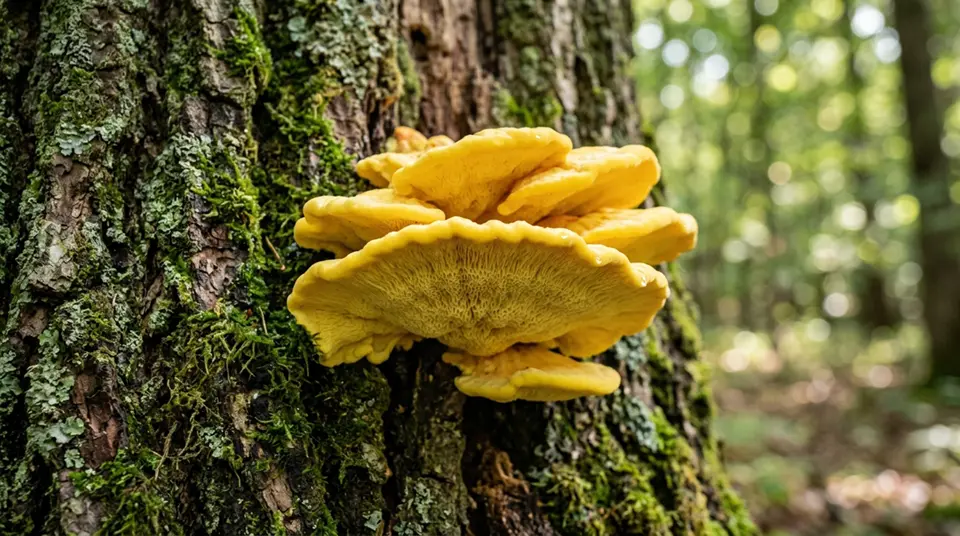
Associated with moist soil and decaying wood, this fungus has caused outbreaks in regions previously considered low-risk. Climate instability may be expanding its range.
Histoplasmosis (caused by Histoplasma capsulatum )
Often linked to bird and bat droppings, this fungus can cause outbreaks when soil is disturbed—during construction, cave exploration, or land clearing.
Candida auris
A yeast species representing one of the most alarming fungal threats, C. auris is highly drug-resistant, persistent in hospital environments, and capable of infecting vulnerable patients with high mortality rates.
The common thread across these examples is environmental shift combined with inadequate detection systems. These pathogens are not new—but their behavior is.

Source: Wikimedia Commons, Public Domain
Why Fungi Are Harder to Fight Than Other Pathogens
One of the most important points surfaced by the article is that fungi occupy a biological niche closer to humans than bacteria or viruses. Because fungal cells share many metabolic pathways with human cells, antifungal drugs often risk harming the host. This makes antifungal drug development far more limited.
At the same time, fungal pathogens are evolving drug resistance—driven partly by the widespread use of agricultural fungicides. Crops treated with antifungal chemicals apply selective pressure, pushing environmental fungi toward resistant traits. Some of those fungi eventually enter hospitals or communities.
This ecological link between agriculture and human disease represents one of the field’s most urgent scientific challenges.
A New Era of Fungal Epidemiology
The scientists featured in the article—mycologists, epidemiologists, environmental health researchers—are part of a growing global effort to treat fungi as major infectious threats rather than rare exceptions. Their work includes:
collecting fungal samples from outbreak zones
sequencing genomes to identify variants
mapping environmental conditions that promote outbreaks
improving rapid diagnostic tools
educating clinicians on fungal disease recognition
This multidisciplinary approach mirrors the strategies used in viral outbreak control—but adapted for a slower, more complex pathogen class.
What stands out to me is the shift in mindset: fungal disease is no longer seen as static or predictable. It is dynamic, climate-sensitive, and opportunistic.
A Reporter’s Perspective: Fungal Outbreaks Reflect a Changing Planet
From my vantage point, fungal outbreaks are more than public health challenges—they are ecological signals. Fungi respond quickly to environmental change, and their spread often mirrors the trajectories of climate instability, global trade, and land-use transformation.
When fungal pathogens expand into new regions, they often reveal underlying shifts:
rising temperatures
altered rainfall patterns
stressed ecosystems
increased human encroachment into wild habitats
In this way, fungal diseases serve as biomarkers of planetary disruption.
Yet there is also an opportunity here. Understanding fungal behavior more thoroughly could improve not only public health but environmental planning, agriculture, and climate adaptation strategies. Fungi are not merely threats—they are indicators.
References
IPCC – Global temperature trends
FAO – Agricultural fungicide use
According to NATIONAL GEOGRAPHIC