According to HONEY
A Cry for Help from a New Renter
When one renter opened the washing machine in their new apartment, they were greeted not by the smell of detergent, but by the musty, sour scent of mould. The appliance, a front-loading washer, had clearly been neglected by previous tenants—its door seal blackened, the drum tinged with decay.
The tenant turned to Reddit for advice, sharing photos and detailing how “countless tub cleans” and scrubbing still couldn’t remove the stubborn mould lodged within the machine’s seal.
It was a domestic horror story shared by many. And in doing so, it revealed a remarkably common oversight in household hygiene: not leaving the washer door open after use.
The Real Problem Lurking in the Seal
At the heart of the issue lies a small but critical component—the rubber door gasket, or seal. Designed to keep water in during washing cycles, this flexible ring can also trap moisture and detergent residue.
Over time, this becomes a perfect breeding ground for mould, particularly Stachybotrys chartarum, a toxic black mould known for thriving in damp environments.
This fungus isn’t just an eyesore. Its spores can trigger allergies, respiratory irritation, and—in prolonged exposure—more serious health risks for vulnerable individuals, especially in poorly ventilated homes.
A Simple Step Many Never Knew
Surprisingly, much of this can be avoided with a one-second habit: leaving the washing machine door ajar after each use.
Many commenters on Reddit confessed they had never heard of this tip. “BRB, opening my washer door real quick,” one wrote. Another added, “Why would you leave the washer door open? Who else does this?”
While it might seem counterintuitive—leaving an appliance open—it’s one of the most effective methods to allow airflow, prevent moisture buildup, and stop mould before it starts.

Source: Wikimedia Commons, CC BY-SA 4.0
The Ripple Effects of a Mouldy Washer
It’s not just the machine that suffers. Washing clothes in a mould-infested washer means:
- Clothes may come out smelling musty, no matter how much detergent is used
- Spores may cling to fabrics, posing a risk to those with asthma or allergies
- Detergent efficacy drops, as mould can interfere with water quality and temperature regulation
The renter in question had scrubbed, soaked, and sanitized with little success. Eventually, they decided to try a mould remover gel while awaiting a landlord response. Meanwhile, the community flooded them with solutions—some DIY, others suggesting total gasket replacement.
Landlord or Tenant Responsibility?
The issue also raises questions of responsibility. Several commenters insisted the property manager should replace the appliance or at least the gasket. One Redditor shared, “I had a similar situation when I moved in, and they replaced mine with a brand new one.”
In many regions, if a landlord provides a washing machine as part of the tenancy, they’re required to ensure it’s safe and hygienic to use. Tenants are encouraged to report such issues formally, backed with photos, and avoid making expensive repairs unless authorized.
How to Clean a Mouldy Washer (When You’re on Your Own)
If a professional fix isn’t forthcoming, there are still effective home remedies:
Step-by-step cleaning tips:
- Run an empty hot cycle with bleach or a washing machine cleaner
- Soak the gasket with paper towels soaked in white vinegar or bleach, leaving them in place for 1–2 hours
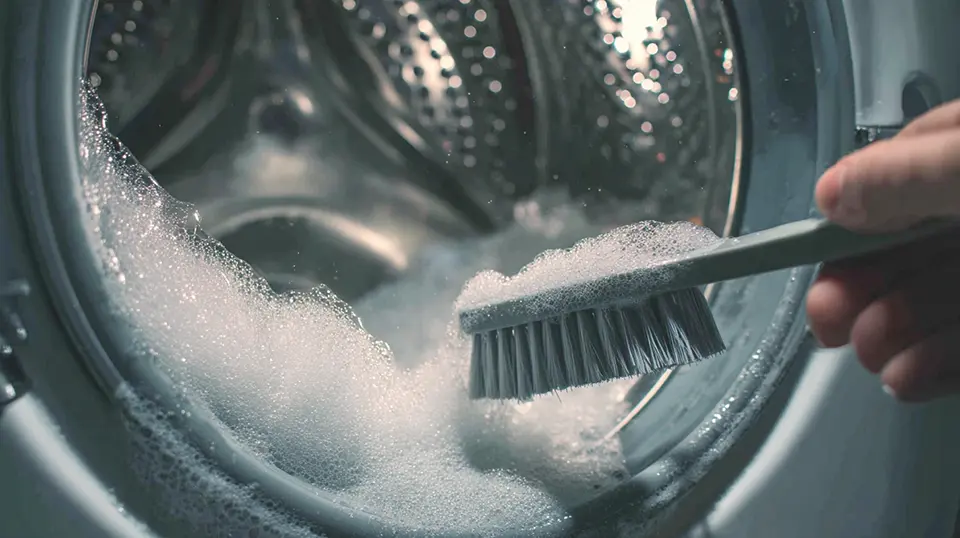
- Use a soft brush (or old toothbrush) to scrub inside the folds of the seal
- Remove and dry the detergent drawer after each wash
- Wipe down all surfaces after use, especially around the door and glass
Some also recommend natural mould-killing solutions like tea tree oil mixed with water or hydrogen peroxide sprays.
Front Loaders vs. Top Loaders: Who’s More at Risk?
Front-loading washers are more efficient and use less water, but they come with a downside: they’re more susceptible to mould. Their airtight door seals and horizontal drum position encourage moisture retention—unless proper airflow is maintained.
Top loaders are less prone, but not immune. Mould can still develop in detergent drawers, filters, and lint traps. The key difference? Top loaders often allow more airflow simply due to their lid shape and vertical design.
But no matter the model, routine care is the real defence.

Source: Wikimedia Commons, CC BY-SA 3.0
The Forgotten Zone: Detergent Dispensers and Filters
Aside from the drum and door, mould can hide in the washing machine’s detergent dispenser drawer and lint filters. These components retain water after every wash, especially if overfilled or not drained properly.
- For front loaders, filters are often located at the bottom front corner. Empty and clean monthly.
- For top loaders, lint filters inside the drum should be cleared after every wash.
- The detergent drawer should be removed and dried, and occasionally soaked to remove soap scum buildup.
Ignoring these spots invites mould to spread silently, unseen until it starts to smell—or worse.
Mould: A Health Hazard, Not Just a Nuisance
While often dismissed as “just a cleaning issue,” black mould is medically recognized as a health hazard. Stachybotrys chartarum releases spores that can lead to:
- Coughing or sneezing
- Skin irritation
- Eye discomfort
- Asthma attacks
- Chronic sinus issues
For households with infants, elderly family members, or immunocompromised individuals, the presence of mould isn’t minor—it’s urgent.

Source: Wikimedia Commons, CC BY-SA 3.0
Preventative Care: The One-Minute Maintenance Routine
To protect your machine—and your health—adopt this after-wash ritual:
Leave the door and detergent drawer open
Wipe the seal and drum dry with a towel
Empty lint and water filters
Run a hot, empty cycle with vinegar or machine cleaner once a month
Use only the recommended amount of detergent—excess leads to residue, which feeds mould
These steps, all together, take less than a minute but offer long-term protection against costly repairs, unsanitary clothes, and potential illness.
A Teachable Moment for Millions
This Reddit thread, while sparked by one renter’s frustration, became an unlikely classroom for thousands. It revealed how little many people know about appliance care—and how even simple lapses can lead to uncomfortable, unsanitary situations.
Like flossing or airing out your bathroom, keeping your washer dry is one of those small, unglamorous habits that pay dividends in health, savings, and peace of mind.
A Door Left Open Can Close the Door on Mould
The next time you finish a load of laundry, resist the urge to slam the washer shut and move on. Instead, take a breath. Leave the door open.
That simple act could keep your clothes cleaner, your lungs healthier, and your landlord from receiving another maintenance request.
Because sometimes, the best defence against mould is just a little fresh air.
References
According to HONEY