According to TUFTSNOWTUFTSNOW
Introduction: From Dairy to DNA
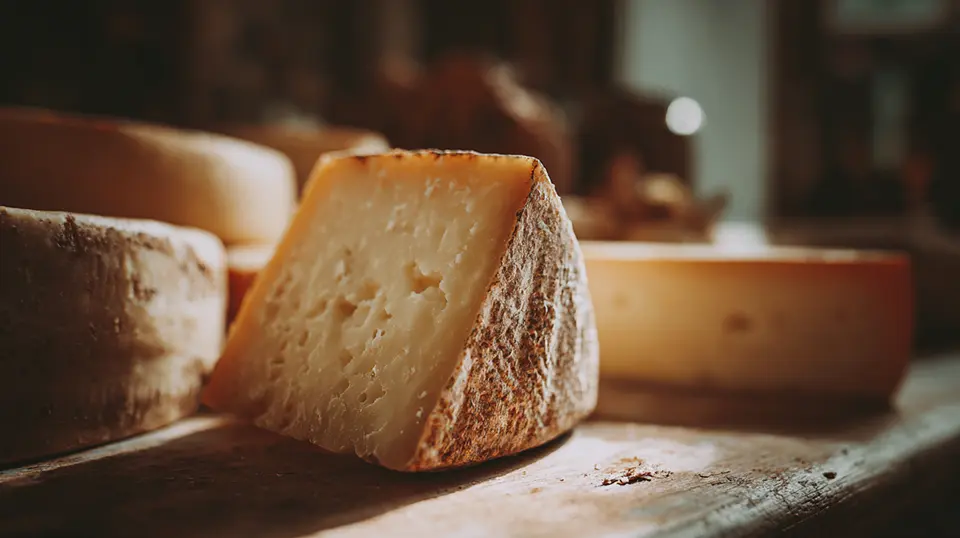
At first glance, a wedge of blue cheese or a creamy round of Camembert might seem like nothing more than a decadent indulgence. But under the rind lies something much deeper—a living laboratory of evolution.
Fungi that ripen and flavor cheeses are not just culinary collaborators; they’re evolutionary enigmas. And now, thanks to groundbreaking research led by scientists at Tufts University, the molds responsible for some of our most beloved cheeses are revealing how life adapts, transforms, and sometimes converges across distant lineages.
By studying the genomes, metabolic behavior, and environmental responses of cheese fungi—specifically Penicillium species—researchers are shedding light on one of biology’s most fascinating phenomena: convergent evolution.
In other words, cheese is helping us understand how completely different organisms evolve similar traits when adapting to similar environments. It’s a story of flavor, function, and fungal finesse.

Source: Wikimedia Commons, CC BY-SA 3.0
Section 1: The Evolution in Your Fridge
Most of us don’t associate dairy products with Charles Darwin, but for evolutionary biologists, cheese is a rare gift: a controlled ecosystem that has evolved in parallel with human culture.
Fungi used in cheesemaking have had to adapt to:
- Low-nutrient environments (milk solids, salt)
- Cool, moist caves or refrigeration units
- Competition with bacteria and other molds
- Human selection for aroma, appearance, and taste
It’s a microcosm of evolutionary pressure—and it moves faster than you might think.

Source: Wikimedia Commons, CC BY-SA 3.0
Section 2: The Tufts Study—What They Found
The research team, led by Benjamin Wolfe, associate professor of biology at Tufts University, studied multiple strains of cheese fungi, especially:
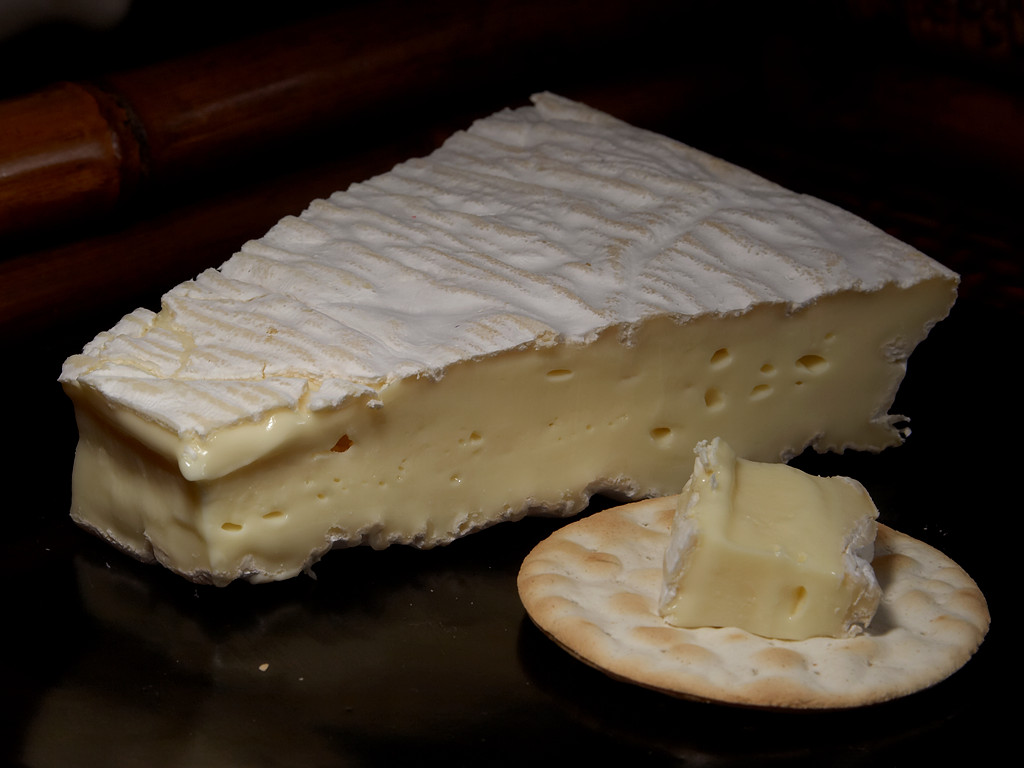
- Penicillium camemberti (used in Brie and Camembert)
- Penicillium roqueforti (used in blue cheeses)
- Penicillium biforme and others adapted to dairy
By comparing the genetic blueprints of these fungi, they discovered signs of independent but parallel adaptations—a clear signature of convergent evolution.
Key findings included:
- Loss of pigment production in multiple species (white molds like Camembert evolved separately from blue ones)
- Changes in secondary metabolism, leading to the loss of toxin production
- Accelerated gene loss and mutation, suggesting a shift toward specialized niches (cheese environments)
- Repeated domestication events, meaning humans may have “tamed” different species more than once
In short, the molds we rely on to make cheese creamy, tangy, and safe have been reshaped by human culture—and they’ve reshaped themselves in response.

Source: Wikimedia Commons, CC BY-SA 3.0
Section 3: What Is Convergent Evolution?
Convergent evolution is when unrelated organisms evolve similar traits due to similar environmental pressures.
Classic examples include:
- Bird wings and bat wings
- Shark fins and dolphin flippers
- Cacti and Euphorbia (spiny desert plants from different continents)
In fungi, this means different Penicillium species evolved:
- White coloration
- Reduced spore production
- Enhanced aroma production
… all independently, but in response to the same selection pressures: the cheese environment.
This makes cheese fungi a model for studying evolution in real time—across short timescales and under human influence.
Section 4: Cheese as an Evolutionary Niche
Cheese is a human-made habitat—not found in nature. Yet, fungi have adapted to thrive in it, behaving more like domesticated animals than wild molds.
Researchers refer to cheese fungi as having undergone “domestication syndrome”—a suite of changes often seen in species that co-evolve with humans. In cheese fungi, this includes:
- Docile growth (less aggressive spread)
- Improved flavor compound production
- Loss of competitive toxins
- Increased dependence on human-created environments
Similar to how wolves became dogs, cheese molds have become our microbial companions, evolving rapidly to suit our tastes and textures.
Source: Wikimedia Commons, CC BY-SA 3.0
Section 5: Implications for Science and Food
- Microbial Evolutionary Biology
This study helps scientists understand how fast and how flexibly organisms can evolve when faced with narrow ecological niches. - Domestication Models
Most domestication studies focus on animals and plants. Fungi offer a faster, easier-to-study system for tracking evolution, given their short generation times and small genomes. - Food Safety and Fermentation
Understanding the genetics of cheese fungi helps producers select strains that are safe, stable, and flavorful—minimizing spoilage and maximizing quality. - Biotechnology
Some of the flavor-producing enzymes found in cheese fungi could be repurposed for alternative foods, vegan cheeses, or flavor enhancers.
Section 6: The Role of Humans in Evolution
We often think of evolution as a slow process, but when humans enter the picture, the timeline accelerates. Our tastes, storage methods, and traditions exert pressure that rapidly reshapes microbial life.
This isn’t just true for cheese:
- Yeasts used in beer and bread have evolved unique fermentation pathways.
- Lactic acid bacteria in yogurt have been selected for texture and flavor traits.
- Koji molds in soy sauce and miso are now fundamentally different from their wild relatives.
In cheese, this pressure is visible in genome decay—a sign that fungi are adapting so closely to human-created environments, they may no longer survive outside them.
Section 7: My View – When Food Becomes a Window into Life Itself
I’ve always loved cheese for its richness, its culture, its rituals. But knowing that its molds are actively evolving with us, that they carry the fingerprints of our history and taste, adds a whole new dimension.
It turns our refrigerator into a museum of molecular adaptation. It blurs the line between food and biology. It reminds us that even what we eat is part of a living evolutionary story.
And perhaps most remarkably, it shows that evolution is not just about survival—but about taste, texture, and shared history.
Conclusion: A New Frontier for Evolutionary Science
The cheese rind has become a new frontier—not only for food artisans but for evolutionary biologists.
By examining the humble fungi that bring Brie to bloom or streak Roquefort with blue veins, scientists are learning how life adapts under pressure, how organisms specialize, and how human culture shapes the world at the genetic level.
As we navigate a future filled with climate change, food insecurity, and biodiversity loss, this kind of research matters more than ever. It shows us that evolution is not some ancient, distant process—it’s happening now, in our kitchens, on our plates, and in every bite of mold-ripened magic.
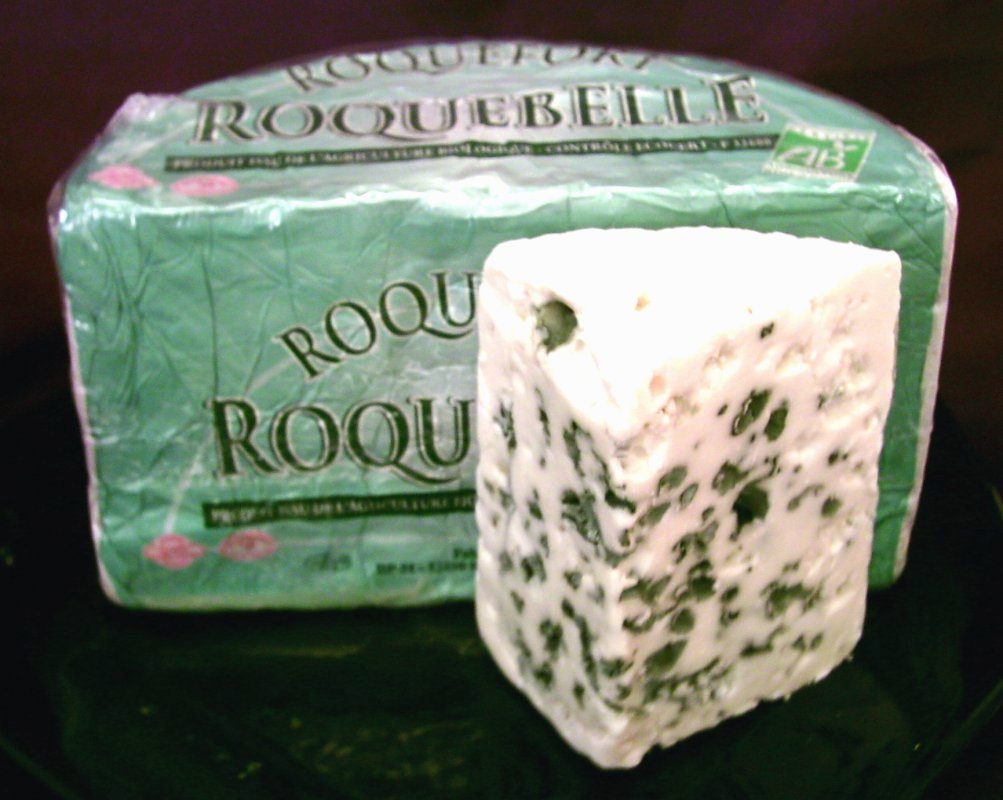
Source: Wikimedia Commons, CC BY-SA 3.0
References
- Wikipedia – Penicillium
- Wikipedia – Convergent evolution
- Wikipedia – Domestication syndrome
- Wikipedia – Penicillium camemberti
- Wikipedia – Penicillium roqueforti
- PubMed – Cheese fungi domestication studies
According to TUFTSNOW