According to NOTICIAS AMBIENTALES
I. The Dual Challenge of Cold-Climate Construction
Building in the planet’s coldest regions, from the Arctic Circle to high-altitude mountain ranges, presents a unique and demanding set of challenges. Construction must achieve maximum thermal efficiency to keep extreme cold out while simultaneously minimizing the environmental footprint in fragile ecosystems. Traditional synthetic insulation materials, often derived from petrochemicals, are energy-intensive to manufacture and pose a significant waste problem.
In a promising new development, materials scientists have pioneered a sustainable, biological alternative: a fungus-based insulation panel derived from the versatile and fast-growing network of mycelium. This innovation aims to provide high-performance thermal barriers with minimal ecological impact.
II. Mycelium’s Structural and Thermal Superiority
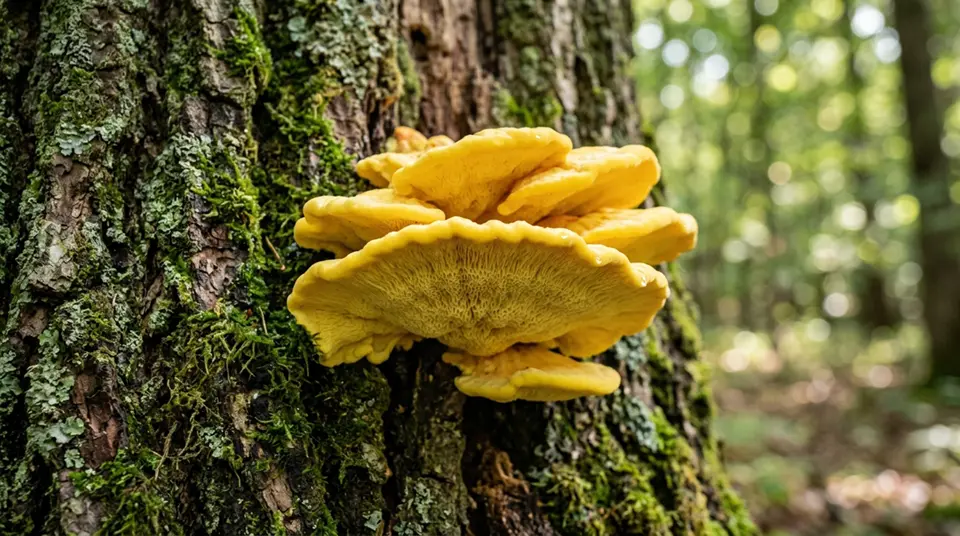
The insulation panels are created through the process of bio-fabrication, where mycelium (the root structure of certain fungi) is cultivated around a substrate of low-value, upcycled agricultural or forestry waste. As the fungus grows, the mycelial threads bind the substrate together into a dense, interlocking, three-dimensional matrix.
A. Thermal Performance
The resulting composite material, after being dried and heat-treated to stop fungal growth, is exhibiting highly competitive thermal properties.
Trapped Air Pockets: The intricate, porous structure of the mycelium naturally traps vast numbers of minute air pockets. This low-density, air-filled composition is the fundamental mechanism behind its excellent performance as a thermal insulator.
Reduced Heat Transfer: This structure drastically reduces the transfer of heat, a critical characteristic for materials deployed in regions where maintaining interior warmth is non-negotiable for human habitability and energy efficiency.

Source: Wikimedia Commons — CC BY-SA 3.0
B. Sustainability Edge
The insulation’s true breakthrough lies in its circular nature, which is particularly vital for remote, cold regions where transport and waste disposal are immense logistical and environmental challenges.
Low Embodied Energy: Mycelium insulation is grown at ambient temperatures, requiring minimal external energy inputs during manufacturing compared to petrochemical foam insulation.
Local Sourcing: The material can potentially be produced locally using regional biomass waste, reducing the vast carbon emissions associated with transporting materials across thousands of miles.
End-of-Life Solution: The panels are completely biodegradable, meaning they can be composted at the end of a building’s lifecycle, solving the waste problem associated with synthetic foams.

Source: Wikimedia Commons — CC BY-SA 4.0
III. The Resilience Factor in Extreme Climates
Beyond thermal resistance, mycelium offers properties that address specific risks inherent to cold, damp climates:
Moisture Management: Unlike some traditional insulation materials that degrade when wet, mycelium composites show promising resistance to moisture and are less prone to fostering unwanted mold growth (the problem they are meant to solve is structural mold, which arises from moisture entrapment).
Structural Integrity: The dense, interconnected nature of the mycelium provides a degree of structural integrity and stability, ensuring the insulation retains its shape and performance even under freeze-thaw cycles common in extreme environments.
Fire Safety: Crucially, many mycelium-based materials have been shown to be naturally fire-retardant, enhancing building safety without the need for toxic chemical additives.
Source: Wikimedia Commons — CC BY-SA 3.0
IV. Viewpoint: A Paradigm Shift for Remote Housing
The development of this fungal insulation represents a paradigm shift for sustainable building, moving from relying on extracted resources to utilizing cultured biology. For the coldest regions, this technology is not just about being “green”—it’s about creating resilience, accessibility, and self-sufficiency.
If successfully scaled, this innovation allows for the creation of lightweight, high-performance, and locally-sourced materials in areas where logistics are prohibitive and environmental stakes are highest, offering a critical pathway to low-carbon, habitable housing across the globe’s harshest frontiers.

Source: Wikimedia Commons — CC BY-SA 4.0
References
IPCC. (2023). Sixth Assessment Report — Climate Change Impacts and Adaptation.
U.S. Department of Energy. (2024). Insulation and Weatherization Efficiency.
According to NOTICIAS AMBIENTALES