
According to The New York Times
A recent health report highlights growing scientific concern over the relationship between long-term air pollution exposure and an elevated risk of Alzheimer’s disease and other forms of dementia. Researchers suggest that prolonged exposure to fine particulate matter (PM2.5) and other airborne pollutants may contribute to cognitive decline, particularly among older adults.
The findings add to an expanding body of research examining environmental risk factors for neurodegenerative diseases. While genetics and aging remain the primary drivers of Alzheimer’s disease, environmental influences are increasingly recognized as potential contributors.

Source: Wikimedia Commons, CC BY-SA 4.0
Air Pollution and Brain Health
Air pollution consists of a complex mixture of particles and gases, including fine particulate matter (PM2.5), nitrogen oxides, ozone, and other combustion byproducts. These pollutants originate from traffic emissions, industrial processes, power generation, and other sources.
Fine particles, especially those smaller than 2.5 micrometers in diameter, are small enough to enter the bloodstream after inhalation. Scientists believe these particles may reach the brain either through circulation or directly via the olfactory nerve pathways.
Research suggests that chronic exposure to such pollutants can trigger inflammation and oxidative stress in brain tissue, mechanisms that are also implicated in Alzheimer’s disease and other dementias.
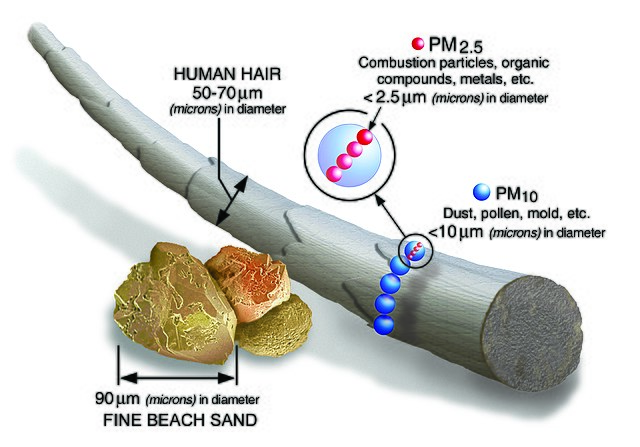
Source: Wikimedia Commons, CC BY-SA 4.0
Evidence from Epidemiological Studies
Multiple long-term population studies have found correlations between exposure to higher levels of air pollution and increased incidence of cognitive impairment. Individuals living in areas with sustained elevated pollution levels appear more likely to develop memory problems and dementia over time.
While these studies do not prove direct causation, researchers note consistent patterns across geographic regions and demographic groups. The strength of these associations has led scientists to call for deeper investigation into the biological mechanisms involved.
Peer-reviewed findings published in journals such as Environmental Health Perspectives and The Lancet Planetary Health have reported similar associations between long-term PM2.5 exposure and dementia risk.
Possible Biological Mechanisms
Several pathways have been proposed to explain how air pollution might affect brain health:
Neuroinflammation: Chronic exposure to pollutants may activate immune responses in the brain, leading to sustained inflammation.
Oxidative Stress: Pollutants can generate reactive oxygen species that damage neurons and supporting cells.
Vascular Damage: Air pollution is linked to cardiovascular disease, and compromised blood vessels may impair blood flow to the brain.
Protein Aggregation: Inflammatory processes may accelerate accumulation of amyloid-beta plaques and tau tangles, hallmark features of Alzheimer’s pathology.
Researchers emphasize that these mechanisms remain under active investigation, but the convergence of evidence suggests a plausible biological link.
Vulnerable Populations
Older adults are particularly vulnerable to both air pollution and cognitive decline. Prolonged lifetime exposure may compound risks associated with aging. Additionally, individuals with pre-existing cardiovascular or respiratory conditions may experience heightened susceptibility.
Socioeconomic factors also play a role. Communities located near highways or industrial zones often experience higher pollution levels, potentially contributing to disparities in dementia prevalence.
Global Public Health Implications
Alzheimer’s disease and related dementias represent a growing global health burden. As populations age, the number of affected individuals is expected to rise significantly. Identifying modifiable environmental risk factors is therefore a priority for public health planning.
If air pollution contributes meaningfully to dementia risk, reducing emissions could have benefits beyond respiratory and cardiovascular health. Improved air quality may also support long-term cognitive health at a population level.

Source: Wikimedia Commons, CC BY-SA 4.0
Policy and Prevention Considerations
Public health experts argue that addressing air pollution requires coordinated policy interventions, including:
Stricter vehicle emissions standards
Expansion of clean energy sources
Urban planning that reduces traffic congestion
Increased green spaces to improve air quality
At an individual level, reducing exposure may involve monitoring air quality reports, using indoor air filtration systems, and limiting outdoor activity during high-pollution periods.
However, experts caution that individual actions cannot fully mitigate risks without broader systemic improvements.

Source: Wikimedia Commons, CC BY-SA 4.0
Clarifying the Evidence
Scientists emphasize that while associations between air pollution and dementia are increasingly documented, causation has not been definitively established. Alzheimer’s disease is a complex condition influenced by genetics, lifestyle factors, and environmental exposures.
Further research, including longitudinal studies and laboratory investigations, is necessary to clarify the extent to which air pollution directly contributes to neurodegeneration.
Intersection with Other Environmental Factors
The study also raises broader questions about environmental exposures and neurological health. Air pollution often coexists with other stressors, including noise pollution and urban heat, which may collectively influence cognitive outcomes.
Understanding how these factors interact is essential for developing comprehensive prevention strategies.
A Growing Field of Environmental Neurology
The emerging link between environmental pollutants and brain health reflects a growing field sometimes referred to as environmental neurology. Researchers are increasingly examining how external exposures—from air quality to chemical contaminants—affect long-term neurological outcomes.
This approach expands the traditional focus on genetics and aging, highlighting the role of living environments in shaping cognitive trajectories.

Source: Wikimedia Commons, CC BY-SA 4.0
Conclusion
The reported findings underscore growing scientific concern that long-term air pollution exposure may increase the risk of Alzheimer’s disease and dementia. While research continues to clarify mechanisms and causation, evidence suggests that improving air quality could play a role in reducing future cognitive health burdens.
As the global population ages, understanding and addressing environmental risk factors becomes increasingly important. Air pollution, long recognized as a threat to respiratory and cardiovascular health, may also represent a modifiable factor in protecting brain health across the lifespan.
According to The New York Times