According to MIRROR
Black Mould and Britain’s Winter Problem
Black mould has become an increasingly common and unwelcome feature in British homes during the winter season. Cold temperatures and high humidity levels create the perfect environment for moisture to collect and spores to thrive. However, one household product—washing-up liquid—is gaining unexpected popularity as a defensive tool against condensation and subsequent mould outbreaks.

Source: Wikimedia Commons, CC BY-SA 4.0
With the cost-of-living crisis still affecting many, and professional mould remediation services often unaffordable for the average household, low-cost, DIY solutions are in high demand. One such method gaining traction is the use of dish soap on window glass to inhibit condensation and damp—a method experts claim can act as a simple yet effective preventive measure against mould, particularly black mould.
Understanding the Mould Threat
Black mould, scientifically known as Stachybotrys chartarum, is notorious for its toxic effects on humans, especially those with compromised immune systems or respiratory issues. Often forming in damp, poorly ventilated spaces, it can grow behind furniture, on windowsills, or even on clothing and wallpaper. It poses health risks including persistent coughs, throat irritation, allergic reactions, and in severe cases, neurological symptoms.

Source: Wikimedia Commons, CC BY-SA 4.0
Winter provides the perfect storm of conditions for mould growth. Homes are sealed to retain heat, leading to increased humidity. Daily activities like cooking, showering, and drying clothes indoors elevate moisture levels. When this moist air hits cold surfaces—especially windowpanes—it condenses into water droplets. These droplets become the root of mould problems if not promptly managed.
The Power of Surfactants in Dish Soap
The innovative dish soap method works because of surfactants, the active ingredients in washing-up liquid. Surfactants break the surface tension of water, making it harder for droplets to form. Instead of pooling into visible moisture beads, the water spreads out into an even, invisible film across the glass. This minimises the wet spots where mould spores would normally thrive.

Source: Wikimedia Commons, CC BY-SA 4.0
Cleaning experts explain that the dish soap acts as a barrier, reducing condensation and making it easier to wipe surfaces clean before dampness can set in. In practical terms, this means fewer wet window sills, fewer mould stains, and a healthier home environment.
How to Apply the Dish Soap Trick
What you need:
- A clean, dry microfiber cloth
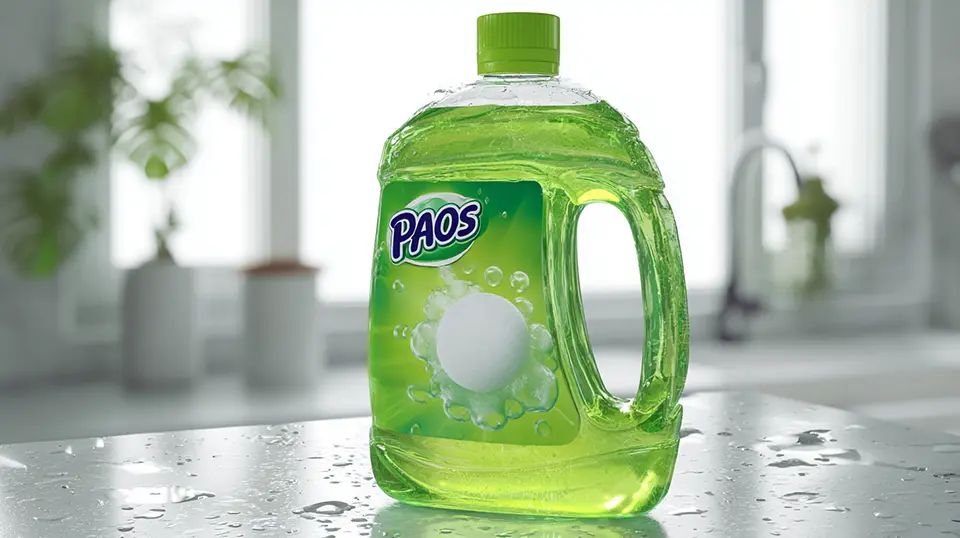
- A small amount of washing-up liquid (preferably clear and fragrance-free)
Steps:
- Clean the window: Ensure the window is dry and free of dust or existing moisture.
- Apply soap: Place a tiny drop of dish soap onto the microfiber cloth.
- Rub the surface: Gently rub the cloth over the window glass, creating a very thin film.
- Buff the excess: Use a clean part of the cloth to lightly buff off any visible streaks.
- Observe and repeat: Monitor the window for new condensation. Reapply as needed—usually every few days.
This technique is best applied during high-risk months (October–March in the UK) and particularly on north-facing windows or those in rooms prone to humidity like kitchens and bathrooms.
The Evidence: Does It Work?
Experts at The Spruce and Ideal Home tested the method in real conditions. When half of a window pane was treated with dish soap and the other half left untreated, the treated side remained dry for hours, while the untreated side quickly showed signs of condensation build-up.
Although anecdotal, many households report success in minimising window condensation, particularly during early mornings and nights when interior-exterior temperature differences are most extreme.
Even so, this solution isn’t permanent. Soap residue wears off over time, especially with daily window use or cleaning. For long-term results, regular reapplication is necessary.
Limitations and Considerations
While this method is affordable and simple, experts stress it’s not a replacement for proper household maintenance.
- Not a permanent fix: The soap barrier is temporary and will need reapplying every few days depending on the temperature, window quality, and household humidity levels.
- Not effective against structural issues: If your home has underlying moisture problems—like roof leaks, rising damp, or poor insulation—this hack won’t fix the root cause.
- Does not address humidity: If the indoor humidity is persistently high, condensation will eventually form elsewhere. Dish soap prevents condensation on glass, but won’t protect walls, ceilings, or fabrics.
- Can leave residue: Improper application may lead to streaking or a sticky residue that attracts dust.
- Impact on window seals: Some window installers caution that repeated chemical exposure may degrade rubber seals over time, though occasional use is unlikely to cause significant damage.
A Cost-Effective Preventative
With washing-up liquid priced as low as £0.63 at major retailers like Tesco, this technique offers an extremely cost-effective solution for low-income households or renters looking to protect their homes without breaking the bank.

Source: Wikimedia Commons, CC BY-SA 3.0
Given the UK’s wet and cold winters, coupled with rising energy prices, it’s no surprise that many residents seek cheap, non-invasive ways to deal with condensation and dampness. This method provides just that.
Expert Recommendations for Complementary Measures
While the dish soap hack is a great starting point, long-term mould prevention requires a comprehensive approach:
- Ventilation: Open windows daily to allow moisture-laden air to escape. Use extractor fans in bathrooms and kitchens.
- Heating Strategy: Keep rooms at a steady, warm temperature to avoid cold surfaces.
- Dehumidifiers: In especially damp homes, a good dehumidifier can dramatically reduce airborne moisture.
- Moisture detection: Use a hygrometer to monitor humidity levels. Keep indoor levels below 60%.
- Avoid drying clothes indoors: This significantly raises humidity and should be avoided or limited.
- Clean existing mould: Use appropriate cleaning agents like white vinegar or mould sprays for active infestations.

Source: Wikimedia Commons, CC BY-SA 4.0
Final Thoughts
In a time where cost-efficiency is crucial, the dish soap trick serves as a practical, low-tech solution to a high-impact problem. It won’t solve every mould issue, but it offers an important first line of defence against winter condensation and related health concerns.
Black mould isn’t just unsightly—it poses real risks to human health and home integrity. Tackling it doesn’t always require expensive products or specialists. Sometimes, a simple drop of washing-up liquid and a cloth can go a surprisingly long way.
Still, residents should remember: condensation is a symptom, not the disease. True mould prevention lies in humidity management, proper insulation, and ongoing awareness. But until every home is fitted with high-end ventilation and moisture control systems, this humble soap trick gives everyday people a real tool in the fight against indoor mould.
References
- National Health Service (NHS). (2024). What should I do if I find mould in my home?
- World Health Organization (WHO). (2023). WHO Guidelines for Indoor Air Quality: Dampness and Mould.
- The Spruce. (2024). Does dish soap prevent window condensation?
According to MIRROR