According to nj.come
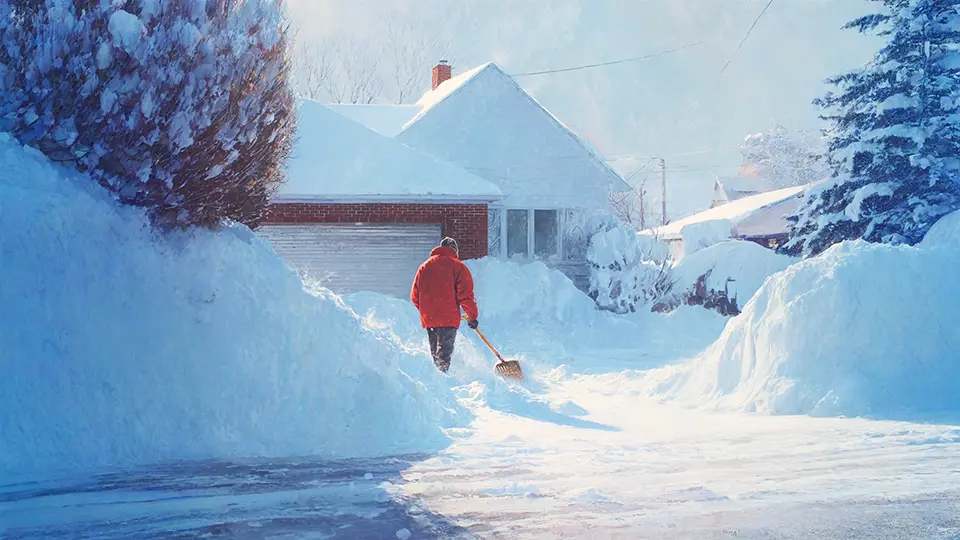
As winter transitions toward spring in many regions of the United States, a less visible but persistent threat to residential lawns is emerging under the thawing snowpack: snow mold, a group of cold-tolerant fungal diseases that develop beneath snow or in persistently cool, wet conditions and cause turfgrass damage that only becomes apparent when snow finally recedes. Snow mold disorders are primarily a turfgrass concern, affecting lawns composed of cool-season grasses such as Kentucky bluegrass (Poa pratensis), perennial ryegrass (Lolium perenne), and fine fescues (Festuca spp.), and can lead to widespread, matted, discolored patches that diminish aesthetic quality and, in more severe cases, retard turf recovery.
What Is Snow Mold and Why Does It Occur?
Snow mold is not a single pathogen but a category of fungal diseases that thrive in low temperatures and moisture-rich environments created by extended snow cover or periods of cool, wet weather. These conditions insulate the ground and prevent soil from freezing completely, creating ideal humidity and temperature conditions (generally near 0°C to 8°C) for fungal activity under the snowpack. The fungus remains dormant throughout most of the year, but once activated by persistent moisture and cool weather, it grows and spreads, often undetected until visible damage appears as the snow melts in late winter or early spring.
Snow mold most commonly emerges in regions with long snow seasons or frequent freeze–thaw cycles, but can also occur where turf remains cool and moist for extended periods even without heavy snow cover. Heavy thatch, poor drainage, thick overnight dew, and excessive lawn debris can exacerbate conditions by trapping moisture and creating microenvironments that favor fungal growth.

Source: Wikimedia Commons, CC BY-SA 4.0
Types of Snow Mold Fungi and Their Effects
There are two principal snow mold categories that affect lawns: gray snow mold and pink snow mold, each with distinct biological characteristics and impacts:
Gray Snow Mold (Typhula spp.)
Often referred to as Typhula blight, this disease is caused by species such as Typhula incarnata and Typhula ishikariensis. Gray snow mold typically develops under continuous snow cover and is identifiable by circular patches of matted grass that appear tan, gray, or whitish once the snow melts. It primarily affects the grass blades rather than the crowns or roots, and many lawns recover on their own as growing conditions improve in spring.

Source: Wikimedia Commons, CC BY-SA 4.0
Pink Snow Mold (Microdochium nivale)
Pink snow mold, most commonly caused by the fungus Microdochium nivale (formerly Monographella nivalis var. nivalis), can be more aggressive. It can infect not only leaf blades but also crowns and roots, leading to deeper damage that may slow lawn recovery and necessitate overseeding or restoration. Pink snow mold lesions often appear as pinkish or reddish patches, sometimes with white fungal mycelium visible under moist conditions.

Source: Wikimedia Commons, CC BY-SA 4.0
Other less common snow mold pathogens, such as Coprinopsis psychromorbida (cottony snow mold), occasionally contribute to disease complexes but are typically of secondary concern in residential settings.
Recognizing Snow Mold Symptoms
Homeowners usually become aware of snow mold only when the snow recedes and damaged areas are revealed in the lawn. Characteristic signs include circular or irregular patches of dead, flattened, straw-colored, gray, or pinkish grass ranging from a few inches to several feet in diameter. Affected grass blades may lie matted together, often with delicate fungal threads (mycelia) visible in moist conditions shortly after snowmelt. In some cases, sclerotia (small, hard fungal survival structures) may be present on dead grass tissues, particularly in gray snow mold outbreaks.
Managing Snow Mold After Snow Melt
Once snow mold symptoms become visible, fungicide applications are generally ineffective because the disease-active period has passed. Instead, lawn recovery focuses on cultural practices that promote drying, respiration, and turf regrowth.
Gentle raking increases soil aeration and accelerates drying.
Long-Term Prevention and Lawn Care Strategies
Effective snow mold prevention begins long before winter arrives.
Practices include:
- Fall mowing height adjustments
- Leaf and debris removal
- Soil aeration
- Thatch management
- Balanced fertilizer timing
- Snow pile redistribution
Preventative fungicide applications may be used on high-value turf such as golf courses, according to University Extension turf management programs.
Ecological and Seasonal Context
Snow mold fungi survive harsh winter conditions by forming sclerotia or persistent mycelium in plant debris or soil. Their growth continues until environmental conditions shift toward warmer, drier weather. Although often cosmetic, severe outbreaks can compromise turf density and resilience.
Understanding the life cycle, environmental triggers, and management strategies for snow mold enables homeowners and turf managers to respond effectively. With proactive fall care, attentive spring recovery practices, and informed long-term maintenance, lawns can withstand winter fungal challenges and maintain vitality throughout the growing season.
References
According to nj.come