According to THE GUARDIAN
I. The Quiet Crisis: Biodegrading Our Inner Wild
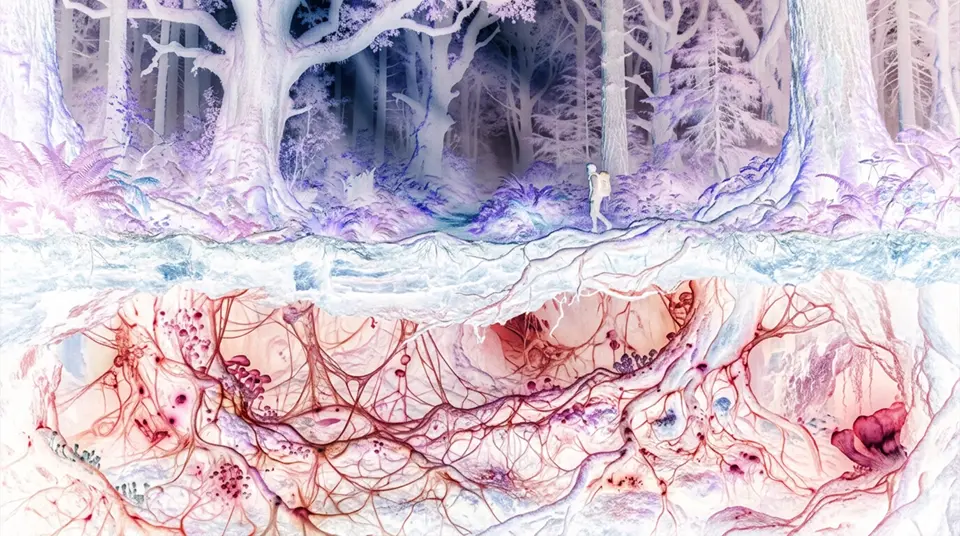
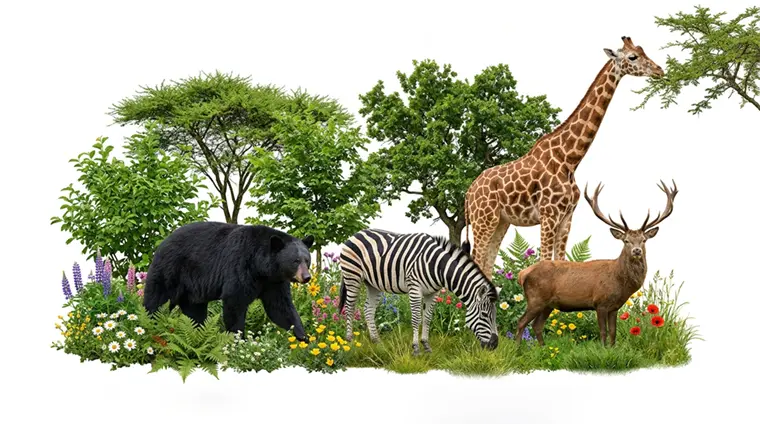
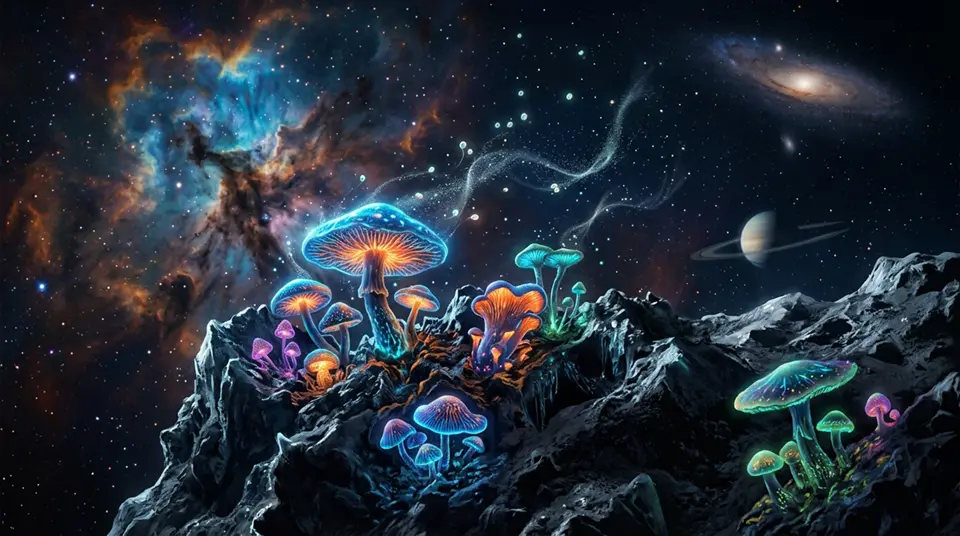
When we think of the biodiversity crisis, images of destroyed rainforests usually come to mind. However, a silent and profound ecological crisis is unfolding much closer to home—within the human body. Each human is home to its own miniature ecosystem, the human microbiome, made up of trillions of bacteria, as well as smaller communities of fungi and viruses. This is akin to how a forest relies on the biodiversity of animals, trees, and soil.
The health of these microscopic worlds is crucial. Dr. James Kinross, a reader in surgery at Imperial College London, calls the loss of this microbial biodiversity an “internal climate crisis.” He emphasizes that this depletion is directly linked to the dramatic rise in chronic conditions that plague modern society. This shifts medical thinking away from the traditional view of simply “killing all microbes” toward a more holistic, conservation-based strategy.
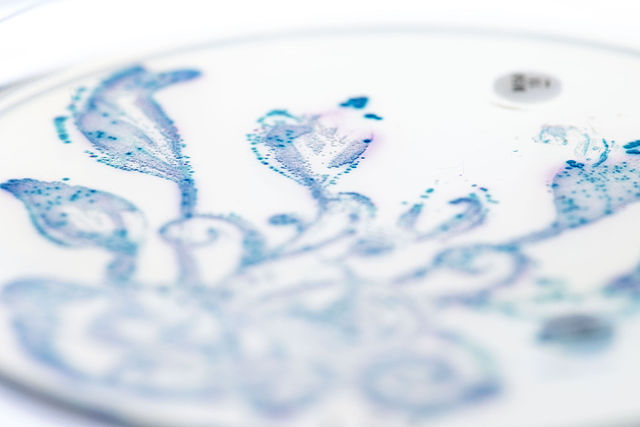
Source: Wikimedia Commons, CC BY-SA 4.0
II. The Drivers of Microbial Depletion
Research identifies four major ways modern Western lifestyle is eroding our vital microbial heritage:
1. Misuse of Medicines (Antibiotics)
Antibiotics are broad-spectrum weapons that destroy beneficial microbes alongside harmful ones. The overuse of these medicines acts as a biological bulldozer, damaging the microbiome’s diversity and resilience.
2. Ultra-Processed Foods
The highly refined, ultra-processed diet starves the microbes that thrive on diverse, complex plant fibers.
3. Loss of Contact with Nature (Urbanization)
Urbanization isolates people from nature, reducing time spent inhaling, touching, and ingesting beneficial microorganisms from the soil microbiome and natural environments.
4. Disconnection
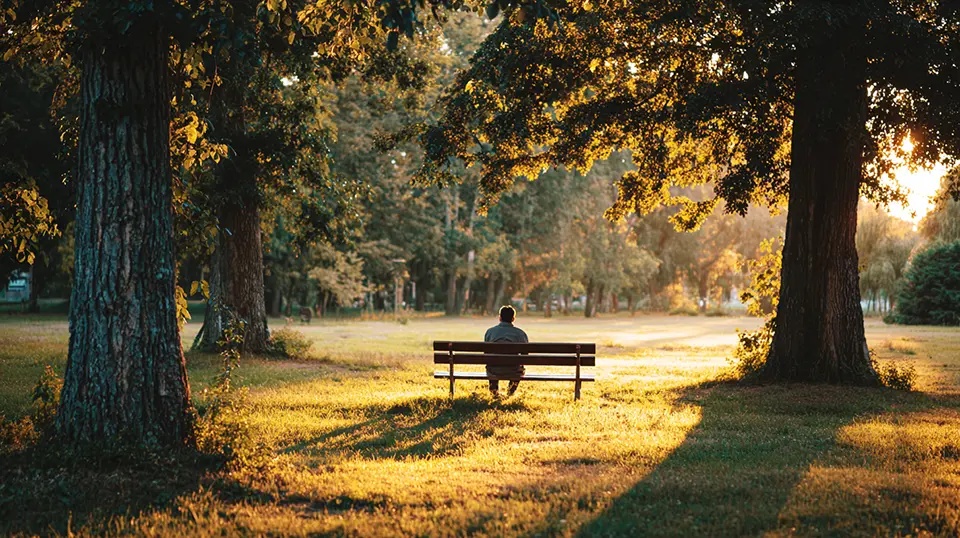
We live in an increasingly disconnected way. This isolation reduces the sharing of beneficial microbes between people, which is crucial for building a diverse and resilient microbiome.
Importantly, the microbiome is not just about the gut. Skin microbiota are specialists in wound healing, and those in the vaginal microbiome keep the environment acidic to protect against invaders. Over 100 species of fungi live on the feet alone—every community is different.

Source: Wikimedia Commons, CC BY-SA 4.0
III. Reversing the Damage: A Prescription for Biodiversity
Kinross and other researchers stress that there are simple, actionable steps that shift the emphasis back to a conservation strategy for our internal ecosystem.
A. Reconnecting with Nature and Soil
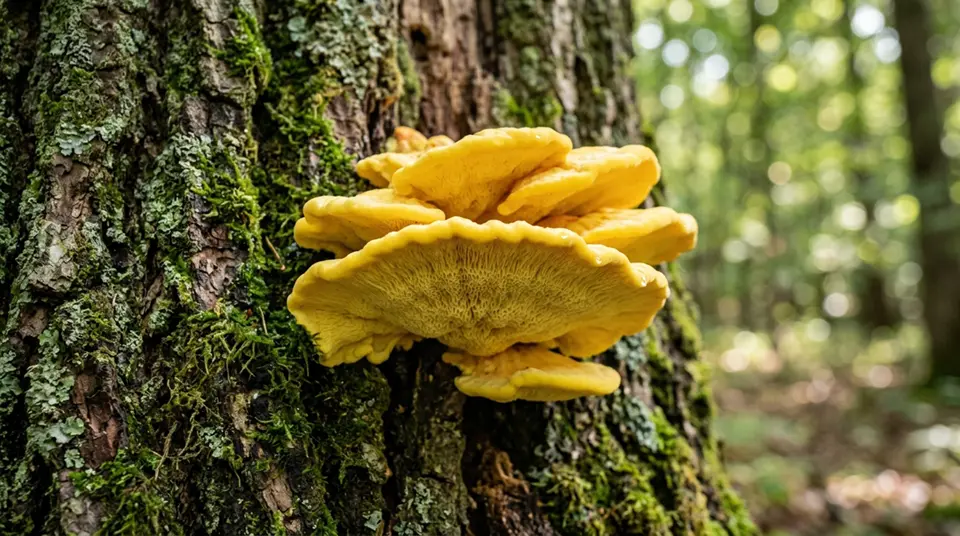
A growing body of research links the outer layer of biodiversity (soil, water, plants) with the inner layer (the human microbiome). Exchanging microscopic bacteria, viruses, and fungi with the environment is essential.
- Rewilding Spaces:
Programs such as the Finnish biodiversity intervention are rewilding kindergarten play areas—importing forest floors into urban sites—to boost children’s exposure to beneficial microorganisms. - Bringing Nature Indoors:
A study on a green wall installed by Finnish company Naava found that within two weeks, Lactobacillus bacteria increased on employees’ skin, helping to prevent skin infections. - Gardening and Plants:
A 2020 Finnish study showed that just one month of growing plants boosted skin bacteria diversity and immune response, emphasizing the role of biodiverse soils.
B. Nurturing Social Networks
Humans are social organisms, and sharing microbiomes through contact is vital:
- Social Diversity:
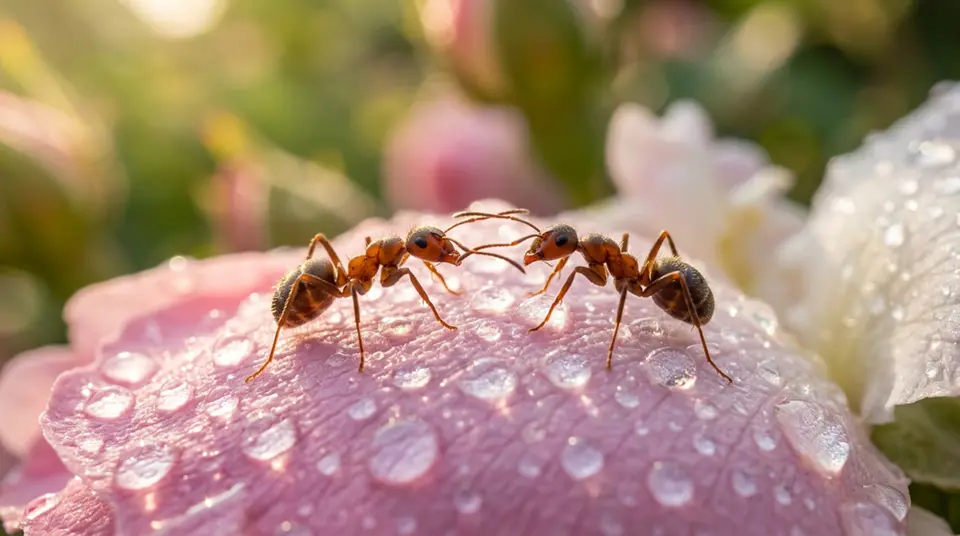
Studies show that people with larger social networks have more diverse gut microbiomes.
Teenagers and elders entering care homes often experience a microbial diversity increase through new human contact. - Eating and Sharing:
Kinross recommends eating with others to share microbes, noting that every home carries its unique microbial signature. - Kissing is Beneficial:
The oral microbiome is one of the most diverse after the colon. About 80 million bacteria are exchanged in a kiss, which helps maintain microbial diversity. Kinross explicitly encourages: “Kissing is good, you should do that for your microbiome.”
IV. Conclusion: An Ecological Self-Correction
The study of the microbiome is rapidly evolving into a credible science filling lecture halls worldwide. The key message is that human health demands an ecological self-correction—a conscious move away from over-sterilization and isolation toward reconnection with nature and community.
By conserving our “inner wild,” we secure both the health and resilience of the human body.

Source: Wikimedia Commons, CC BY-SA 4.0
References
- World Health Organization (WHO). Chronic diseases overview.
- National Institutes of Health (NIH). Human Microbiome Fact Sheet.
- Nature Reviews Microbiology. Soil microbiome and biodiversity connection.
According to THE GUARDIAN