
According to SOUTHERN LIVING
A Common Household Habit With Hidden Implications
A seemingly simple question—whether to leave a shower curtain open or closed after use—has drawn attention due to its impact on moisture control and mold prevention. According to the report, bathroom habits can significantly influence how quickly surfaces dry and whether mold has an opportunity to grow (WHO Indoor Air Quality). While the issue may appear minor, it reflects broader principles of indoor environmental management and hygiene.
Bathrooms are among the most moisture-prone areas in a home, and small changes in airflow and drying patterns can determine whether fungal growth develops over time.
Why Moisture Control Matters in Bathrooms
Moisture is identified as the primary factor driving mold growth (CDC Mold Basics). After a shower, warm water vapor condenses on surfaces such as tiles, walls, and shower curtains. If this moisture is not allowed to evaporate efficiently, it creates an environment in which mold spores can settle and grow.
Because mold spores are naturally present in the air, the focus of prevention is not eliminating spores but controlling the conditions that allow them to develop. Bathrooms, with their frequent humidity fluctuations, are particularly susceptible.
The Case for Leaving the Curtain Open
Experts cited in the report suggest that leaving the shower curtain fully open after use can promote faster drying. When the curtain is spread out, both sides are exposed to air circulation, allowing moisture to evaporate more evenly.
This reduces the likelihood of water becoming trapped in folds, where damp conditions can persist for extended periods. Faster drying minimizes the time window in which mold can establish itself.
From a practical standpoint, this approach is considered one of the simplest ways to reduce moisture retention without additional equipment.
When Leaving It Closed Might Be Preferable
While leaving the curtain open is generally recommended for drying, there are situations where closing it may be beneficial. For example, if the goal is to prevent water from dripping onto bathroom floors immediately after use, closing the curtain temporarily may help contain moisture.
However, the report emphasizes that prolonged closure can trap humidity within folds of the curtain, creating localized damp areas. These conditions can support mold growth if the curtain remains closed for extended periods.
As a result, any temporary closure should be followed by opening the curtain once excess water has drained.
Airflow and Ventilation Are Key Factors
The effectiveness of either approach depends largely on overall bathroom ventilation. Extractor fans, open windows, and airflow pathways all contribute to how quickly moisture dissipates (EPA Indoor Air Quality).
Even if the curtain is left open, poor ventilation can result in slow drying and increased humidity. Conversely, good airflow can mitigate moisture even in less optimal conditions.
The report highlights that curtain position should be considered as part of a broader ventilation strategy rather than an isolated factor.

Signs of Mold on Shower Curtains
Early signs of mold on shower curtains may include discoloration, dark spots, or a musty odor. These indicators suggest that moisture has remained present long enough for fungal growth to develop (NIH Mold Exposure).
Once mold becomes visible, it may require cleaning or replacement of the curtain, depending on the severity. Regular inspection helps identify these signs before they become more widespread.
The report emphasizes that prevention is more effective than remediation.
Cleaning and Maintenance Practices
Routine cleaning of shower curtains is recommended to reduce the buildup of soap residue and organic material that can support mold growth. Washing or wiping down the curtain periodically can help maintain a cleaner surface.
Allowing the curtain to dry fully between uses is also critical. Combining proper positioning with regular cleaning creates a more comprehensive approach to mold prevention.
These practices align with general principles of maintaining hygiene in moisture-prone areas.
The Role of Material and Design
The type of shower curtain material can influence how moisture is retained and released. Some materials dry more quickly than others, while textured or layered designs may trap water more easily.
Choosing materials that resist water absorption or promote faster drying can reduce the risk of mold development. Smooth, non-porous surfaces are generally easier to maintain and less likely to harbor fungal growth.
Mold and Indoor Air Quality
Although mold on a shower curtain may seem localized, it can contribute to indoor air quality issues. Mold spores can become airborne and spread to other areas of the bathroom or home (CDC Indoor Mold).
For individuals with sensitivities, this exposure may lead to respiratory irritation or allergic reactions. Maintaining a clean and dry bathroom environment therefore supports overall indoor health.
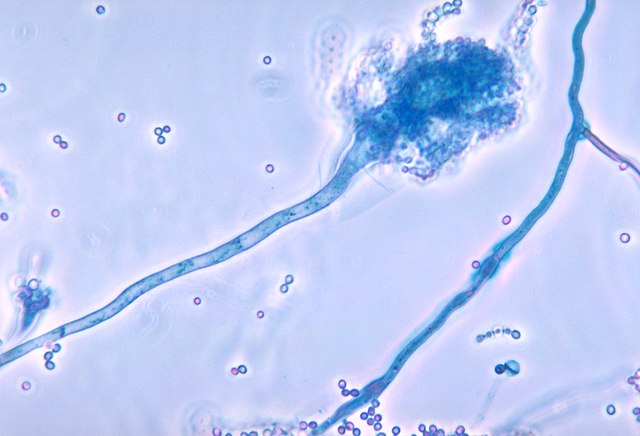
Common Household Mold Species
Mold growth in bathrooms is often associated with several common fungal species. These include Aspergillus, Penicillium, and Cladosporium, which thrive in damp environments.
In more severe cases, Stachybotrys chartarum, often referred to as black mold, may develop in persistently wet conditions. These fungi reproduce through airborne spores and can spread if moisture is not controlled.
While not all mold poses serious health risks, its presence indicates conditions that should be addressed.
A Simple Habit With Practical Benefits
The report concludes that leaving the shower curtain open after use is generally the preferred practice for reducing moisture and preventing mold. This approach allows for better airflow, faster drying, and less opportunity for fungal growth.
However, the effectiveness of this habit depends on overall bathroom conditions, including ventilation and cleaning routines.
A Broader Lesson in Moisture Management
Beyond the specific question of curtain position, the article highlights a broader principle: small daily habits can influence environmental health. Managing moisture, improving airflow, and maintaining cleanliness are key factors in preventing mold (WHO Housing Guidelines).
By paying attention to these details, households can reduce the risk of fungal growth and maintain healthier indoor environments.
References
WHO. Indoor Air Quality Guidelines.
WHO. Housing and Health Guidelines.
According to SOUTHERN LIVING