According to THE NAU REVIEW
Researchers have demonstrated how artificial intelligence can transform the way scientists study fungi, offering new insights into one of Earth’s most diverse and least understood kingdoms of life. A recent study shows how machine learning tools can rapidly analyze vast amounts of fungal data, helping researchers identify species, track ecological patterns, and better understand fungi’s roles in ecosystems under pressure from climate change.
The work highlights a growing intersection between biology and data science. Fungi are essential to life on Earth, driving decomposition, nutrient cycling, and plant health. Yet, because many fungi are microscopic, short-lived, or difficult to culture, scientists have struggled to document their true diversity. Artificial intelligence is now emerging as a powerful solution to this long-standing challenge.

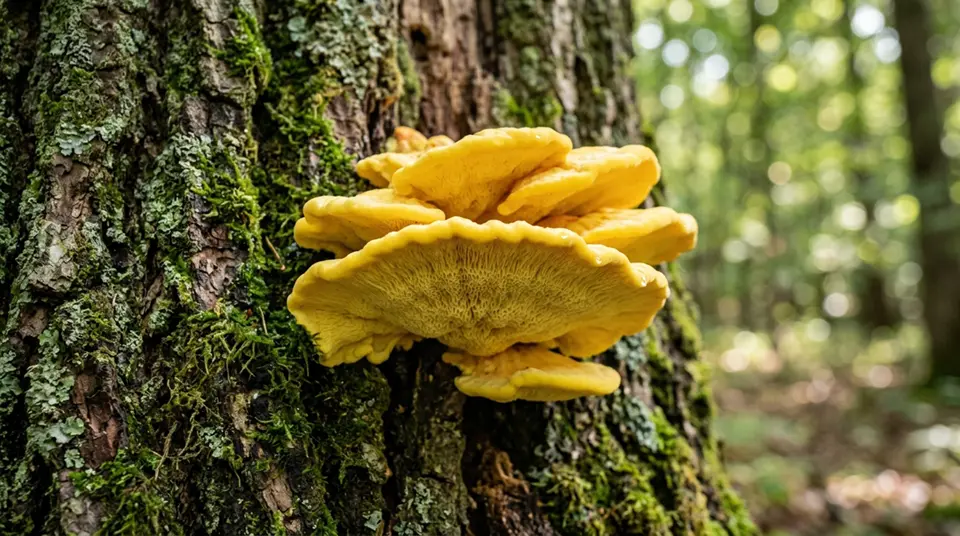
Source: Wikimedia Commons – Image Page, CC BY-SA 3.0
The Challenge of Studying Fungi
Fungi represent one of the largest and most complex groups of organisms on the planet. Scientists estimate that millions of fungal species exist, yet only a fraction have been formally described. Traditional identification methods rely on expert taxonomists examining physical traits or conducting time-consuming genetic analysis.
These approaches, while accurate, are slow and limited by the availability of specialists. As environmental change accelerates, researchers risk losing species before they are even documented. This has created an urgent need for faster, scalable tools to study fungal diversity across landscapes and time.

Source: Wikimedia Commons – Image Page, CC BY-SA 3.0
How Artificial Intelligence Changes the Picture
The study demonstrates how machine learning algorithms can be trained to recognize patterns in fungal data that would be difficult or impossible for humans to detect alone. By analyzing large datasets—such as DNA sequences, ecological records, or images—AI systems can classify fungi, identify relationships among species, and predict how fungal communities respond to environmental change.
Rather than replacing human expertise, the technology acts as a force multiplier. AI can process thousands of samples quickly, flagging unusual or potentially novel fungi for closer examination by specialists. This allows researchers to focus their time on interpretation and validation rather than manual sorting.
Revealing Hidden Biodiversity
One of the key findings is that AI can uncover fungal diversity that has been overlooked using conventional methods. Machine learning models can detect subtle genetic or ecological signals that indicate distinct species or functional groups.
This is particularly important for fungi that look similar under a microscope but differ genetically or ecologically. By distinguishing these hidden lineages, AI helps refine understanding of fungal evolution and ecosystem roles.
The study suggests that many ecosystems may host far more fungal diversity than previously recognized, with implications for conservation and land management.
Fungi, Ecosystems, and Climate Change
Fungi are central to how ecosystems function. They break down organic matter, store and release carbon, and form symbiotic partnerships with plants. Changes in fungal communities can therefore alter soil health, forest growth, and carbon cycling.
By applying AI to long-term datasets, researchers can track how fungal populations shift in response to climate variables such as temperature, rainfall, and disturbance. This makes fungi valuable indicators of environmental change.
The study highlights that understanding fungal responses to climate stress is essential for predicting broader ecosystem outcomes. Artificial intelligence provides the analytical capacity needed to detect these patterns at meaningful scales.

Source: Wikimedia Commons – Image Page, CC BY-SA 3.0
Improving Conservation and Environmental Decision-Making
The ability to rapidly analyze fungal data has practical implications beyond academic research. Land managers and conservation planners often lack detailed information about fungal communities, despite their importance.
AI-driven analysis could support more informed decisions by identifying areas of high fungal diversity, tracking the impacts of land use, or monitoring ecosystem recovery after events such as wildfires. In this way, fungi can be more effectively integrated into conservation strategies that traditionally focus on plants and animals.

Source: Wikimedia Commons – Image Page, CC BY-SA 4.0
Ethical and Scientific Caution
Researchers involved in the study emphasize that AI tools must be used carefully. Machine learning models depend on the quality and representativeness of the data used to train them. Biases or gaps in datasets can lead to misleading conclusions if not addressed.
For this reason, human oversight remains essential. Scientists stress that AI should complement, not replace, fieldwork, taxonomic expertise, and ecological theory. Transparent methods and validation against real-world observations are critical to ensuring reliable results.
A New Model for Biological Research
The study reflects a broader shift in biological sciences toward data-intensive approaches. As environmental monitoring generates increasingly large datasets, AI offers a way to turn information into insight.
For mycology, a field historically constrained by limited resources and visibility, this represents a significant opportunity. By accelerating discovery and analysis, AI may help close the gap between known and unknown fungal diversity.
Looking Ahead
The researchers argue that the integration of artificial intelligence into fungal research is only beginning. As datasets grow and algorithms improve, AI could help answer fundamental questions about how fungi evolve, interact, and shape the planet.
Future applications may include real-time monitoring of fungal outbreaks, improved prediction of ecosystem responses to climate change, and deeper understanding of the invisible networks that sustain life on land.
Conclusion
The study shows that artificial intelligence is opening a new window into the fungal world. By rapidly analyzing complex data, AI enables scientists to uncover hidden diversity, understand ecological dynamics, and respond more effectively to environmental change.
As fungi gain recognition for their central role in Earth’s systems, tools that enhance their study are increasingly valuable. The combination of mycology and artificial intelligence offers a powerful example of how technology can expand scientific knowledge while reinforcing the importance of careful, evidence-based research.
References
Northern Arizona University. Fungi and AI Study.
IPCC. Sixth Assessment Report (AR6).
According to THE NAU REVIEW