According to EUREK ALERT
A Closer Look at Fungal Resilience
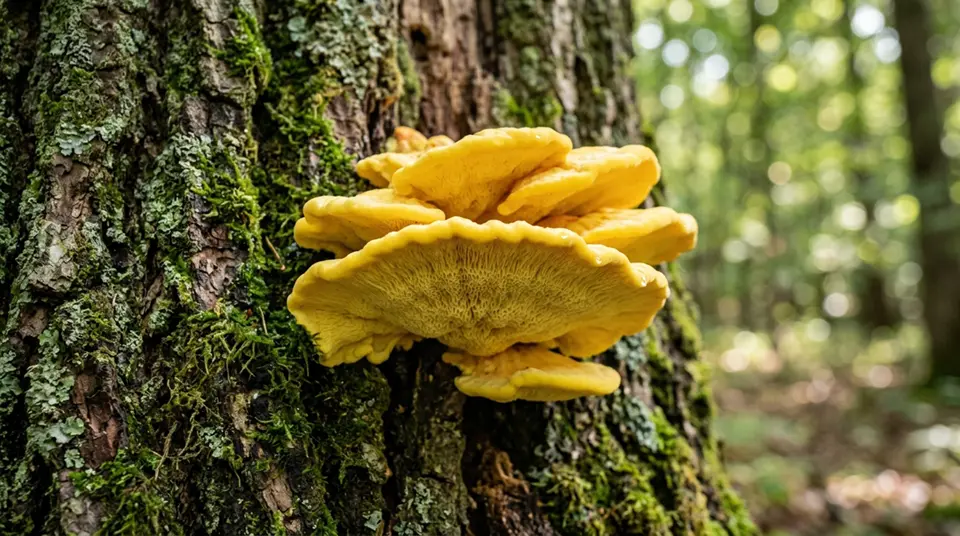
Recent findings highlighted by EurekAlert! bring renewed attention to the remarkable adaptability of fungi in changing environments. Researchers have uncovered new mechanisms that allow certain fungal species to survive and even thrive under environmental stress, offering insight into how these organisms respond to shifting ecological conditions.
Fungi, often overlooked in broader environmental discussions, play a crucial role in ecosystems. Their ability to decompose organic material, recycle nutrients, and interact with other organisms makes them essential to ecological balance. Understanding how they adapt to environmental pressures is therefore of both scientific and practical importance.

Mechanisms of Adaptation
The study reveals that fungi possess sophisticated biological systems that enable them to respond dynamically to environmental changes. These include the ability to alter metabolic pathways, regulate gene expression, and adjust growth patterns in response to stress factors such as temperature fluctuations, nutrient scarcity, and exposure to toxins.
Such flexibility allows fungi to maintain survival even when conditions become unfavorable. Rather than relying on a single strategy, they employ multiple adaptive responses simultaneously, increasing their resilience across diverse environments.
Environmental Stress and Survival Strategies
Environmental stressors—ranging from climate change to habitat disruption—pose challenges to many forms of life. However, fungi demonstrate a unique capacity to tolerate and adapt to these conditions. The research suggests that certain species can modify their cellular processes to withstand extreme environments, including high temperatures and chemically altered habitats.
This adaptability not only ensures survival but also allows fungi to expand into new ecological niches. As environmental conditions shift, fungi may play an increasingly prominent role in reshaping ecosystems.
Implications for Agriculture and Food Systems
The findings carry important implications for agriculture. Fungal species are both beneficial and harmful in agricultural contexts. While some contribute to soil health and plant growth, others act as pathogens that threaten crop yields.
Understanding how fungi adapt to environmental stress can help scientists predict the behavior of plant pathogens under changing climate conditions. This knowledge may support the development of more effective strategies for crop protection and disease management.
At the same time, beneficial fungi could be harnessed more efficiently, enhancing soil fertility and supporting sustainable farming practices.
Relevance to Human Health
Fungal adaptation is also closely linked to public health. Some pathogenic fungi can develop resistance to environmental stress, including antifungal treatments. As these organisms adapt, they may become more difficult to control, increasing the risk of infections.
The research highlights the importance of monitoring fungal evolution, particularly in clinical settings. By understanding the mechanisms behind adaptation, scientists can develop more targeted and effective treatment strategies.
A Broader Ecological Perspective
Beyond specific applications, the study contributes to a broader understanding of how life responds to environmental change. Fungi serve as a model for resilience, demonstrating how organisms can persist through flexibility and innovation at the biological level.
Their ability to influence nutrient cycles, interact with plants, and adapt to stress underscores their importance in maintaining ecosystem stability. As environmental challenges intensify, the role of fungi may become even more significant.
Future Directions in Research
Researchers emphasize that these findings represent only part of a larger picture. Continued investigation is needed to fully understand the genetic and biochemical pathways involved in fungal adaptation.
Advances in molecular biology and environmental monitoring are expected to provide deeper insights, enabling scientists to explore how fungi will respond to future environmental changes. This knowledge will be critical in fields ranging from agriculture to medicine and environmental conservation.

Understanding the Invisible Drivers of Change
Fungi often operate out of sight, yet their impact is far-reaching. The ability to adapt, survive, and influence their surroundings positions them as key players in the natural world.
This research not only highlights their resilience but also reinforces the need to consider microorganisms in discussions about sustainability and environmental change. In doing so, it brings attention to a fundamental truth: the smallest organisms often hold the greatest influence over ecological systems.
References
Brown, G. D. et al. (2012). Hidden killers: human fungal infections. Science Translational Medicine.
According to EUREK ALERT