According to VT NEWS
Researchers at Virginia Tech are exploring an unusual biological phenomenon that links microorganisms to atmospheric processes: the ability of certain fungi to trigger the formation of ice. The study focuses on how ice nucleation influences freezing events in natural environments and how these microscopic organisms may play a role in weather systems, plant health, and ecological cycles.
Understanding Biological Ice Nucleation
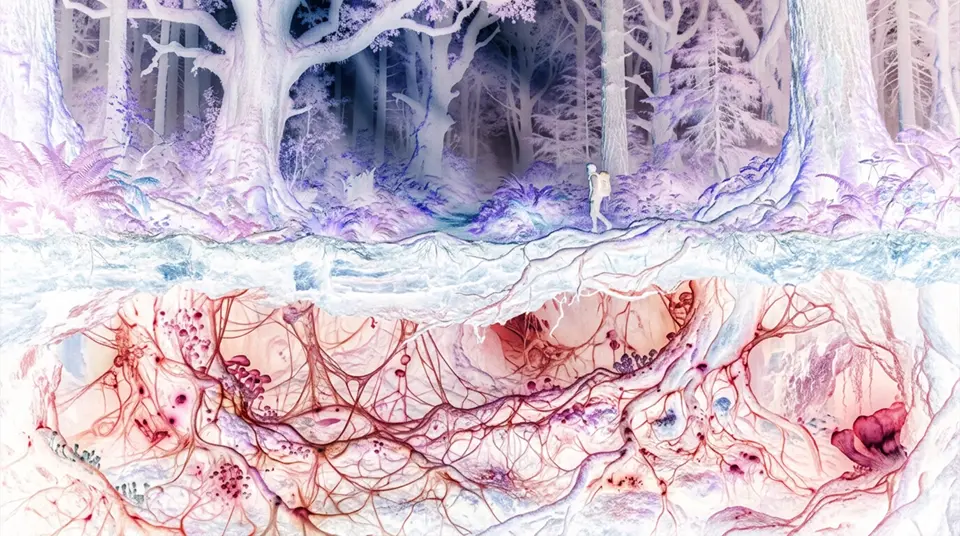
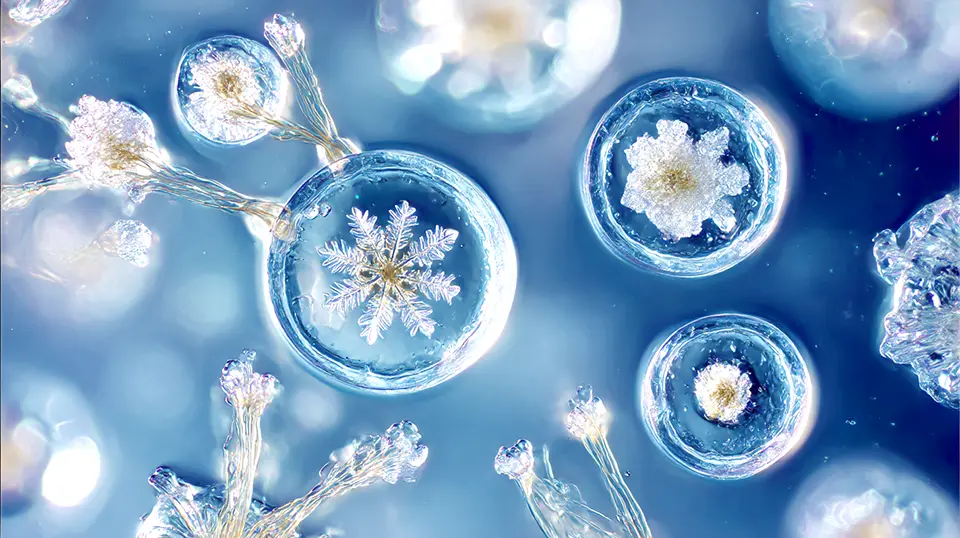
Water normally freezes at 0 °C under standard conditions, but in the atmosphere or within plant tissues, freezing often requires nucleation particles that help organize water molecules into ice crystals. Without such particles, water droplets can remain in a supercooled state even at temperatures well below freezing.
Certain microorganisms possess molecular structures that promote the alignment of water molecules, triggering the formation of ice crystals.

Source: Wikimedia Commons, CC BY-SA 3.0
Fungi as Ice-Nucleating Organisms
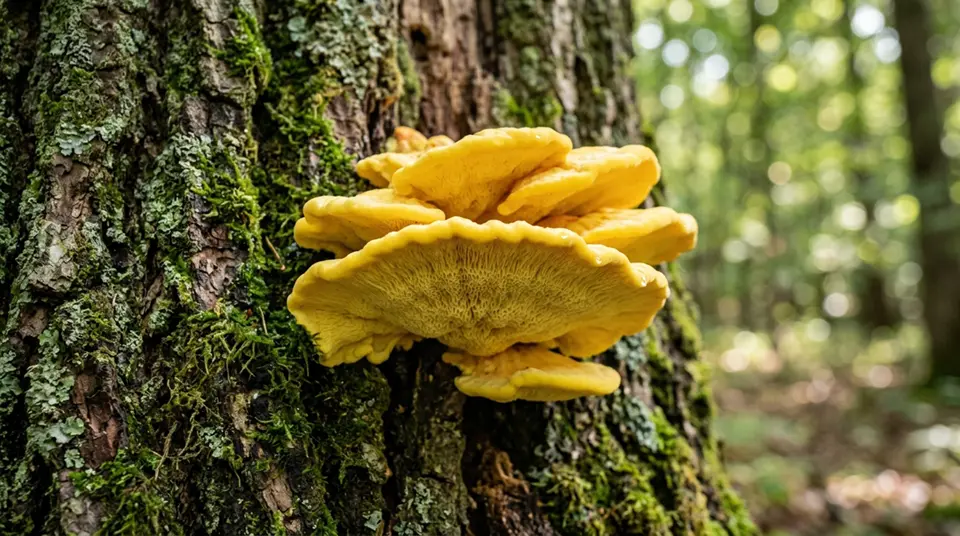
While bacteria have been widely studied for their role in ice nucleation, the Virginia Tech research highlights fungi as another important biological source of ice-nucleating particles.
Fungi are abundant in terrestrial ecosystems and produce spores that can become airborne.

Source: Wikimedia Commons, CC BY-SA 3.0
Implications for Agriculture
Ice-nucleating fungi may also have implications for agriculture, particularly in relation to frost damage.
When microorganisms capable of nucleating ice colonize plant tissues, they may trigger freezing at temperatures slightly above the typical freezing threshold.

Source: Wikimedia Commons, CC BY-SA 3.0
Atmospheric and Climate Connections
Beyond agriculture, the presence of biological ice nucleators in the atmosphere raises questions about their role in climate processes.
Clouds form when water vapor condenses around particles suspended in the atmosphere.

Source: Wikimedia Commons, CC BY-SA 3.0
Molecular Mechanisms of Ice Nucleation
The Virginia Tech research team is working to understand the molecular structures that enable fungi to nucleate ice.
Certain proteins or surface molecules appear to interact with water molecules in ways that encourage the formation of ice crystals.
References
Bioaerosols in the Earth system: Climate, health, and ecosystem interactions.
Atmospheric Research.
NASA Earth Science Division – Atmospheric aerosols
According to VT NEWS