According to EURO NEWS
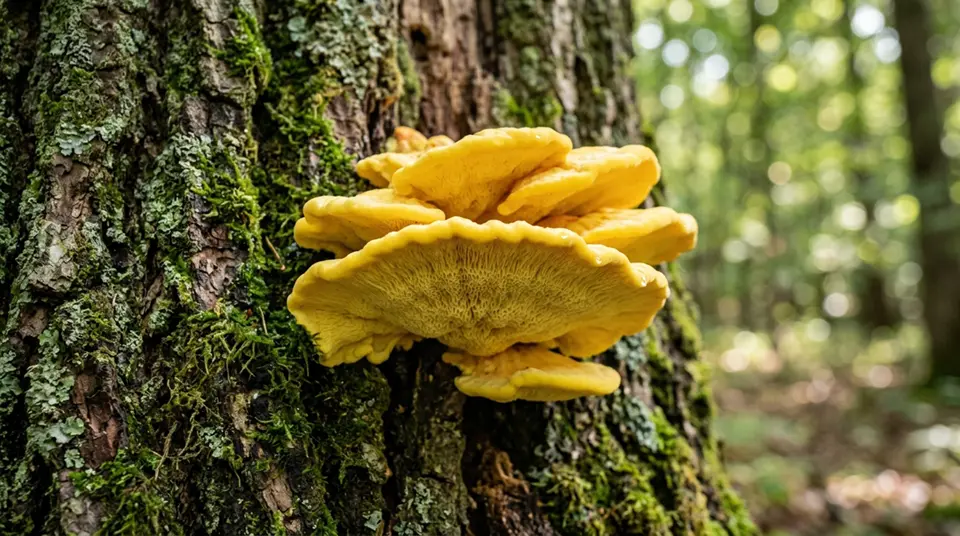
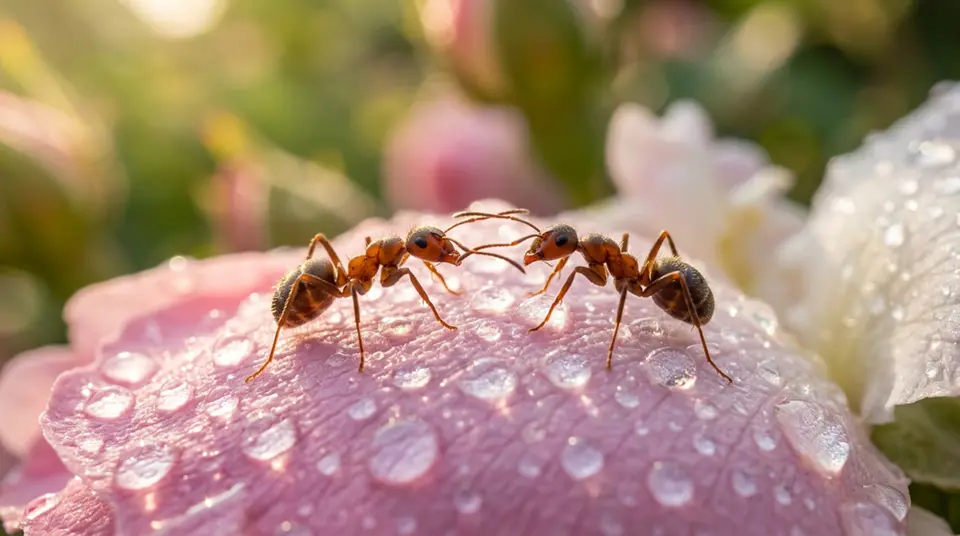
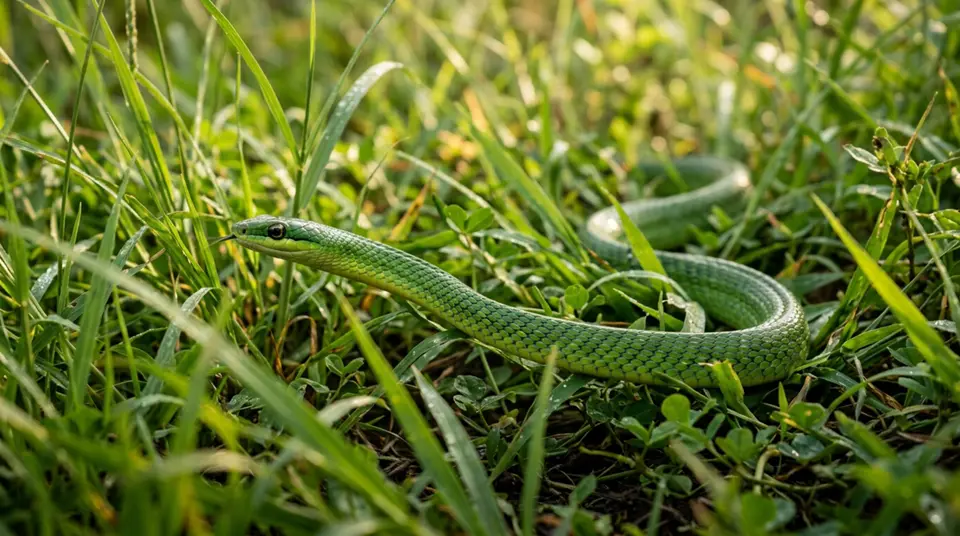
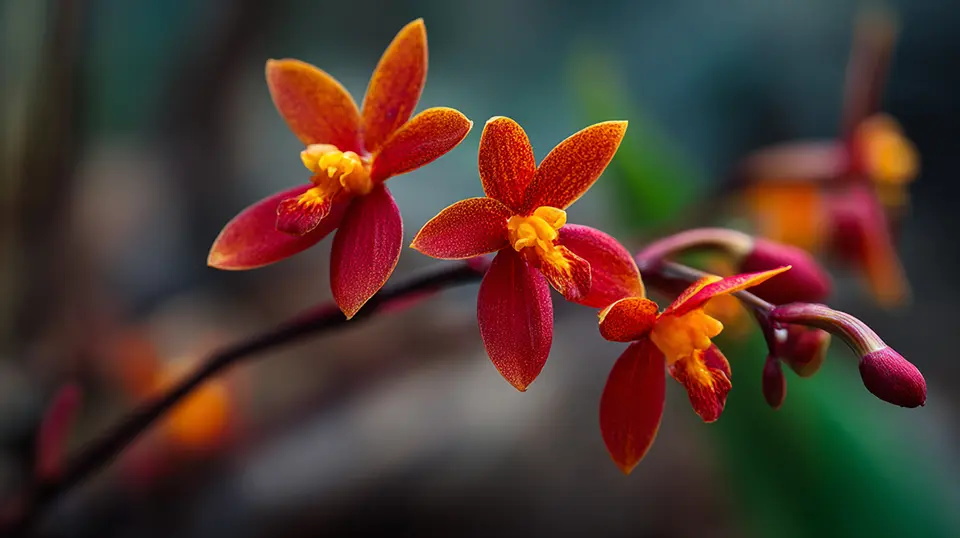
Scientists around the world named 190 new plant and fungal species in 2025, underscoring how much of Earth’s biodiversity remains undocumented despite centuries of biological study. The newly described species include flowering plants, trees, mosses, and a significant number of fungi—some with unusual behaviors, striking appearances, or important ecological roles.
The findings highlight both scientific progress and an ongoing challenge: species are being discovered at the same time as habitats face increasing pressure from climate change, land use, and environmental degradation. Researchers emphasize that many species may disappear before they are ever formally identified.

Source: Wikimedia Commons – File:Tropical_rainforest_biodiversity.jpg, CC BY-SA 4.0
Where the New Species Were Found
The newly described species were discovered across a wide geographic range, with concentrations in biodiversity-rich regions such as tropical forests, mountainous areas, and understudied ecosystems.
Many discoveries came from:
- remote forest regions
- tropical and subtropical zones
- soil, leaf litter, and decaying organic matter
- specialized microhabitats
Fungi, in particular, were frequently identified in environments that are rarely surveyed in detail, including forest floors, insect hosts, and plant tissues.
Why Fungi Feature So Prominently
Fungi accounted for a notable portion of the 190 new species. Scientists note that this is not surprising, as fungi represent one of the most diverse yet least understood branches of life.
Unlike plants and animals, fungi are often small, transient, or hidden within other organisms. Many species only appear under specific environmental conditions, making them difficult to detect.
Researchers estimate that only a fraction of the world’s fungal species have been formally described, meaning that discoveries like those made in 2025 likely represent just the surface of a much larger, unseen diversity.
A Spider-Killing Fungus Among the Discoveries
One of the more striking fungal discoveries reported in 2025 was a species known for infecting and killing spiders. This fungus belongs to a group of organisms that specialize in parasitizing arthropods, manipulating or overwhelming their hosts before producing spores.
Such fungi play an important ecological role by regulating insect and spider populations. While their appearance and behavior can seem unsettling, scientists stress that these organisms are a natural part of ecosystem balance and do not pose a threat to humans.
The discovery also illustrates how specialized fungal evolution can be, with some species adapting to extremely narrow ecological niches.
The Scientific Process Behind Naming New Species
Identifying a new species is a rigorous process that can take years. Scientists must demonstrate that the organism is genetically and morphologically distinct from known species.
This process typically involves:
- detailed physical examination
- genetic sequencing
- comparison with museum and herbarium collections
- peer review and formal publication
Only after meeting strict scientific criteria is a species officially recognized and named.
Why New Species Are Still Being Found
Despite advances in technology and exploration, many regions remain poorly studied. In some cases, political instability, difficult terrain, or limited funding restrict access.
In other cases, organisms are simply overlooked. Fungi and small plants often lack the visual prominence of animals, meaning they can exist unnoticed even in relatively well-studied environments.
Scientists emphasize that new species discoveries do not indicate recent evolution, but rather gaps in human knowledge.
Why Documenting Species Matters
Formally identifying species is not just an academic exercise. Species descriptions provide the foundation for conservation planning, ecological research, and environmental policy.
Without a scientific name and description:
- species cannot be legally protected
- their ecological roles remain unknown
- potential benefits to medicine or agriculture may be missed
Fungi, in particular, have historically yielded antibiotics, enzymes, and other biologically active compounds.
Biodiversity Under Pressure
The discovery of new species comes at a time of accelerating biodiversity loss. Habitat destruction, climate change, pollution, and invasive species are placing unprecedented stress on ecosystems.
Scientists warn that many newly identified species may already be at risk due to their limited geographic range or specialized habitat requirements.
In some cases, researchers suspect that species may have gone extinct shortly after—or even before—being formally described.
Fungi and Ecosystem Function
Fungi play essential roles in ecosystems, including:
- decomposing organic matter
- recycling nutrients
- forming symbiotic relationships with plants
- regulating populations of insects and other organisms
The identification of new fungal species improves understanding of these processes and helps scientists better model ecosystem responses to environmental change.

Source: Wikimedia Commons – File:Mycorrhizal_symbiosis_diagram.svg, CC BY-SA 4.0
A Global Effort in Taxonomy
The discoveries reported in 2025 reflect international collaboration among taxonomists, geneticists, ecologists, and conservation scientists. Advances in DNA sequencing and data sharing have accelerated the pace of species identification.
However, experts caution that taxonomy remains underfunded globally. The number of trained specialists is declining even as the need for biodiversity documentation increases.
Looking Ahead
Scientists say the 190 newly named species serve as both a milestone and a reminder. While progress continues, much of Earth’s biological diversity remains undocumented.
As environmental pressures intensify, the urgency to identify, understand, and protect species grows. Fungi, plants, and other often-overlooked organisms may prove critical to ecosystem resilience in the decades ahead.
Conclusion
The identification of 190 new plant and fungal species in 2025 highlights how much remains unknown about life on Earth. Fungi featured prominently among the discoveries, reinforcing their ecological importance and scientific value.
As habitats change rapidly, documenting biodiversity is becoming a race against time—one that carries implications for conservation, environmental stability, and future scientific discovery.
References
IPBES. Global Assessment Report on Biodiversity and Ecosystem Services
IPCC AR6 WG2 – Impacts, Adaptation, and Vulnerability
According to EURO NEWS