According to DUKE TODAY
Climate Change and Fungi Are Becoming Increasingly Connected
A recent report published by Duke University explores how rising global temperatures may influence fungal evolution and potentially increase risks to human health. Researchers say climate change is not only reshaping weather systems and ecosystems, but may also alter how fungi survive, spread, and adapt to warmer environments.
Scientists warn that understanding fungal adaptation is becoming increasingly important as environmental temperatures continue to rise worldwide.

Why Temperature Matters for Fungal Survival
Most fungi do not infect humans because mammalian body temperatures are too warm for many fungal species to tolerate. Human body heat acts as a natural biological defense barrier against fungal infections.
However, researchers suggest that increasing environmental temperatures may gradually select for fungi capable of surviving under warmer conditions. As fungi adapt to heat stress in the environment, some species may become better equipped to tolerate temperatures closer to those inside the human body.
This possibility has raised concern among infectious disease specialists and environmental researchers.
Climate Adaptation and Emerging Fungal Risks
The report explains that fungi evolve rapidly in response to environmental pressures. Heat adaptation may allow certain species to expand into regions or hosts previously unsuitable for survival.
Researchers are particularly concerned that climate-driven adaptation could increase the number of fungi capable of infecting humans, animals, and crops.
Although only a small fraction of fungal species currently cause human disease, environmental changes may alter this balance over time.

The Example of Candida auris
One fungal species frequently discussed in relation to climate adaptation is Candida auris, an emerging drug-resistant yeast associated with healthcare outbreaks worldwide.
Scientists have suggested that environmental warming may have contributed to the fungus developing increased heat tolerance, enabling it to survive at human body temperatures.
Candida auris has drawn global attention because it can spread in healthcare settings, resist multiple antifungal drugs, and cause severe infections in vulnerable patients.
While researchers continue investigating the exact causes behind its emergence, the species illustrates how environmental pressures may influence fungal evolution.
Heat Stress and Fungal Evolution
Fungi exposed to extreme environmental conditions must develop mechanisms to survive heat stress, dehydration, ultraviolet radiation, and changing habitats.
Some species achieve this through changes in cell structure, protective proteins, or metabolic adaptation. Over time, these biological adjustments may increase resilience not only in nature but also inside animal hosts.
The report emphasizes that climate change may function as a large-scale evolutionary pressure shaping fungal biology globally.
Human Health Implications
Fungal infections already represent a major global health concern, particularly among individuals with weakened immune systems, chronic illnesses, or prolonged hospital exposure.
Respiratory infections caused by airborne fungal spores can affect the lungs, bloodstream, skin, and internal organs. Drug-resistant fungal infections are especially difficult to treat because relatively few antifungal medications are currently available.
If more fungal species become capable of surviving at human body temperatures, researchers fear the range of medically important fungi could expand.
Antifungal Resistance as a Growing Problem
The report also highlights antifungal resistance as an increasing medical challenge. Unlike bacterial infections, fungal diseases are harder to treat because fungi share many biological similarities with human cells.
This limits the number of safe antifungal drug targets available. Overuse of agricultural fungicides may further contribute to resistance development in environmental fungi.
Scientists warn that rising temperatures combined with antifungal resistance could create significant future healthcare challenges.
Environmental Spread of Fungal Spores
Fungal spores travel widely through air currents, soil systems, water, and plant material. Climate-related changes in humidity, rainfall, and extreme weather may influence spore distribution and environmental persistence.
Warmer temperatures may also allow certain fungi to expand geographically into new regions previously too cold for survival.
This could alter patterns of fungal exposure in both natural and urban environments.

Fungi and Ecosystem Balance
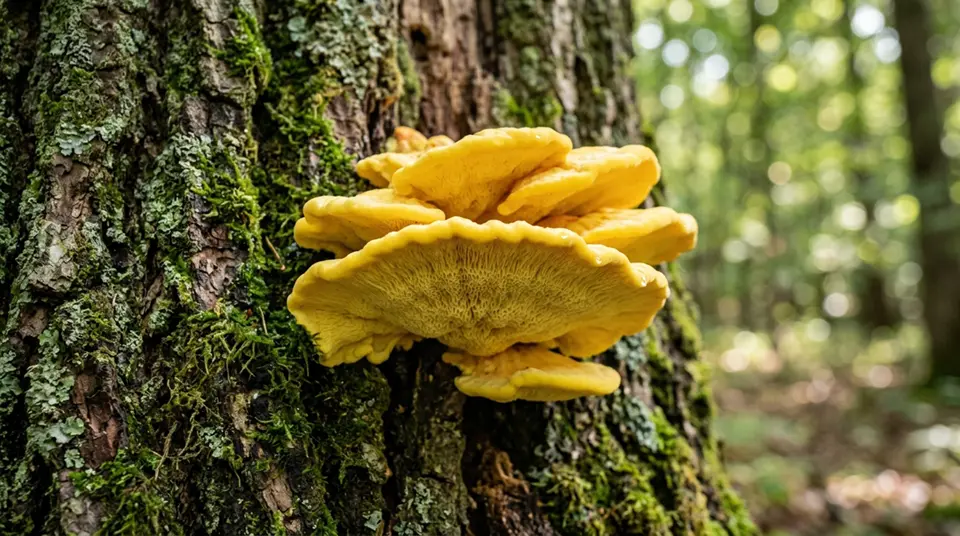
Despite the health concerns discussed in the report, fungi remain essential components of ecosystems. They recycle nutrients, support plant growth, decompose organic matter, and contribute to biodiversity.
The issue is therefore not fungi themselves, but how environmental change may shift the balance between beneficial ecological functions and disease-related risks.
Scientists stress that understanding fungal ecology is essential for both environmental conservation and public health planning.
Research Gaps and Scientific Challenges
Researchers acknowledge that many questions remain unanswered regarding fungal adaptation to climate change. Millions of fungal species exist globally, yet only a small percentage have been studied in detail.
Understanding which fungi are most likely to adapt to warming conditions requires extensive environmental monitoring, laboratory research, and genomic analysis.
The report emphasizes that fungal diseases remain underfunded and underrecognized compared to bacterial and viral threats.
Preparing for Future Risks
Public health experts increasingly argue that fungal surveillance should become part of broader climate and disease preparedness strategies. Monitoring environmental fungi, improving diagnostics, and developing new antifungal therapies are considered important priorities.
Hospitals and healthcare systems may also need stronger infection-control measures as drug-resistant fungal infections continue emerging worldwide.
A Changing Relationship Between Climate and Disease
The report ultimately highlights how climate change is reshaping biological relationships across ecosystems, including interactions between humans and microorganisms.
Fungi, once viewed primarily as environmental decomposers, are now being studied as climate-sensitive organisms capable of rapid adaptation.
This evolving relationship underscores how environmental change can influence public health in unexpected ways.
Looking Ahead
As global temperatures continue rising, scientists expect fungal research to become increasingly important within medicine, ecology, and climate science.
The findings from Duke University suggest that preparing for future fungal threats will require interdisciplinary collaboration involving environmental scientists, medical researchers, epidemiologists, and policymakers.
Ultimately, the report serves as a reminder that climate change affects not only weather and landscapes, but also the invisible microbial systems that shape human health and ecological stability worldwide.
References
Fisher M.C. et al. (2012). Emerging fungal threats to animal, plant and ecosystem health. Nature.
According to DUKE TODAY