According to BBC
A Chinese restaurant in Oxford has been ordered to close after environmental health inspectors identified what authorities described as a “serious rat infestation” alongside widespread hygiene failures, including extensive mould growth and open drains containing foul standing water. The enforcement action highlights the use of emergency powers by local authorities when conditions are judged to pose an immediate threat to public health.
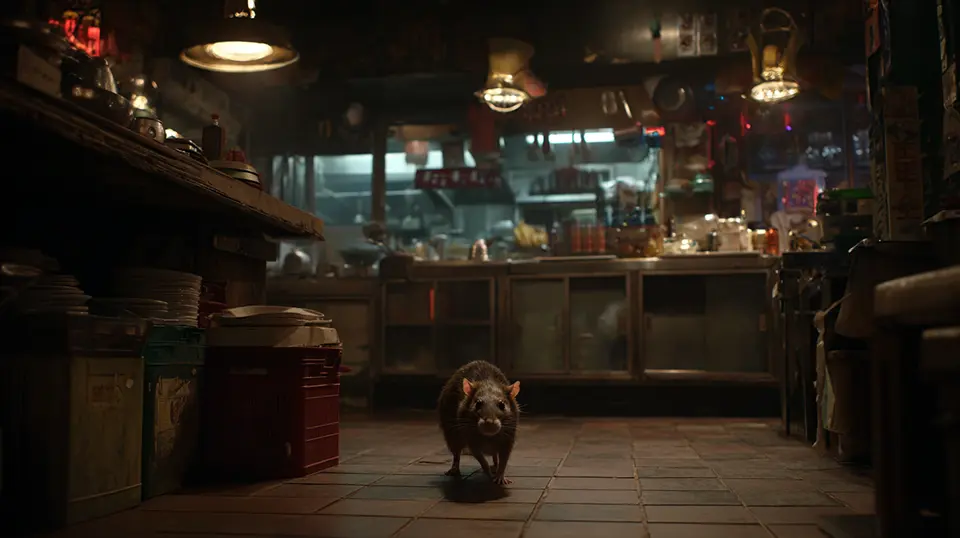
Oxford City Council confirmed that its environmental health officers carried out an inspection of the restaurant, Red Star, located on Cowley Road. During the visit, officers found evidence of active rodent activity, including rat droppings and gnawed food packaging. Inspectors also identified multiple additional breaches of food safety and hygiene regulations across the premises.
As a result of these findings, the restaurant was issued with a Hygiene Emergency Prohibition Order (HEPO), a legal measure that requires a food business to cease trading immediately until serious risks to health are removed.

Source: Wikimedia Commons – Image Page, CC BY-SA 3.0
Findings During the Inspection
According to the council, inspectors uncovered a range of issues that collectively amounted to an imminent risk to public health. In addition to signs of rodent infestation, officers reported extensive mould in several areas of the premises, including food storage spaces.
Open and mould-affected spices were found in a storage room, raising concerns about contamination. Inspectors also observed that cleaning chemicals were stored alongside food, a practice that breaches basic food safety standards due to the risk of chemical contamination.
In the food preparation area, officers discovered open drains containing foul, stagnant water. Such conditions can attract pests, facilitate the spread of bacteria, and significantly increase the risk of foodborne illness. The council described the overall cleanliness of the premises as unacceptable.
One of the most serious concerns identified was the presence of open packets of rat poison hanging over cooking oil drums, suspended in plastic bags. Inspectors said this posed a significant contamination risk, as toxic substances were positioned directly above food ingredients used in cooking.

Source: Wikimedia Commons – Image Page, CC BY-SA 4.0
Use of Emergency Powers
The Hygiene Emergency Prohibition Order was formally confirmed at High Wycombe Magistrates’ Court on 27 January. The council described the HEPO as one of the strongest enforcement tools available to local authorities, used only in situations where there is a serious and immediate threat to consumer safety.
Under the terms of the order, the restaurant must remain closed until the identified risks are fully addressed and verified by environmental health officers. Trading cannot resume until the council is satisfied that the premises comply with food hygiene legislation.
Council officials emphasized that HEPOs are not issued lightly. They are reserved for cases where conditions are so severe that allowing the business to continue operating would expose customers to unacceptable health risks.
Previous Enforcement History
The council confirmed that this was not the first time Red Star had faced enforcement action. In November 2025, the restaurant was fined £4,700 after breaching regulations related to waste management. At that time, its food hygiene rating was downgraded to zero, the lowest possible score.
Local authorities use food hygiene ratings to inform the public about standards at food businesses, with scores ranging from zero to five. A zero rating indicates that urgent improvement is required. The latest inspection suggests that problems identified previously had not been adequately resolved.
Public Health Implications
Environmental health experts note that conditions such as those described in the inspection report present multiple overlapping risks. Rodent infestations can introduce pathogens through droppings, urine, and direct contact with food or surfaces. Rats can also damage packaging, increasing the likelihood of contamination.
Mould growth in food preparation and storage areas presents additional concerns. While not all moulds are harmful, some species are capable of producing mycotoxins, which can pose health risks if ingested. The presence of visible mould also indicates excessive moisture and poor environmental control.
Open drains with standing water are widely recognised as a serious hygiene hazard. Such conditions can support microbial growth, generate unpleasant odours, and act as entry points for pests. In food premises, drainage systems must be properly sealed and maintained to prevent contamination.

Source: Wikimedia Commons – Image Page, CC BY 3.0
Council Response and Wider Context
Oxford City Council said it will continue to work with the owner of the business as efforts are made to bring the premises into compliance with food hygiene legislation. The council stressed that its primary objective is to protect public health rather than to penalise businesses unnecessarily.
Councillor Lubna Arshad, cabinet member for a safer Oxford, said the action demonstrated the council’s commitment to residents, visitors, and the wider community. She stated that the council would not hesitate to take robust enforcement action where food safety standards fall significantly below what the public has a right to expect.
Food Hygiene Enforcement in Practice
Food hygiene enforcement in England is carried out by local authorities under national legislation. Environmental health officers conduct routine inspections as well as targeted visits based on complaints or intelligence.
However, where inspectors identify conditions that pose an immediate risk to health, they are legally required to act. A HEPO allows officers to intervene quickly, preventing further exposure of the public to unsafe conditions.
Cases involving rodents, mould, and structural hygiene failures often indicate deeper management and maintenance problems. Experts note that effective pest control, moisture management, and cleaning regimes are essential components of food safety in commercial kitchens.
Response From the Business
Red Star has been approached for comment regarding the closure and the findings of the inspection. At the time of reporting, no response had been received.
The council confirmed that it will monitor progress closely and reassess the premises once the owner reports that remedial work has been completed. Only after a further inspection confirms that all risks have been addressed can the prohibition order be lifted.
Conclusion
The closure of the Chinese restaurant on Cowley Road underscores the seriousness with which local authorities treat food safety breaches that pose immediate risks to public health. The combination of a rat infestation, extensive mould, open drains, and unsafe storage practices led inspectors to conclude that emergency action was necessary.
While the council has indicated a willingness to work with the business owner to achieve compliance, the case serves as a reminder that maintaining basic hygiene standards is both a legal and ethical obligation for food operators. For consumers, the enforcement action reflects the critical role of environmental health services in safeguarding public health and maintaining confidence in the local food sector.
References
Oxford City Council – Environmental Health Enforcement
World Health Organization – Food Safety & Mycotoxins
According to BBC